Is It Wrong to Write Too Often About Someone You Love?

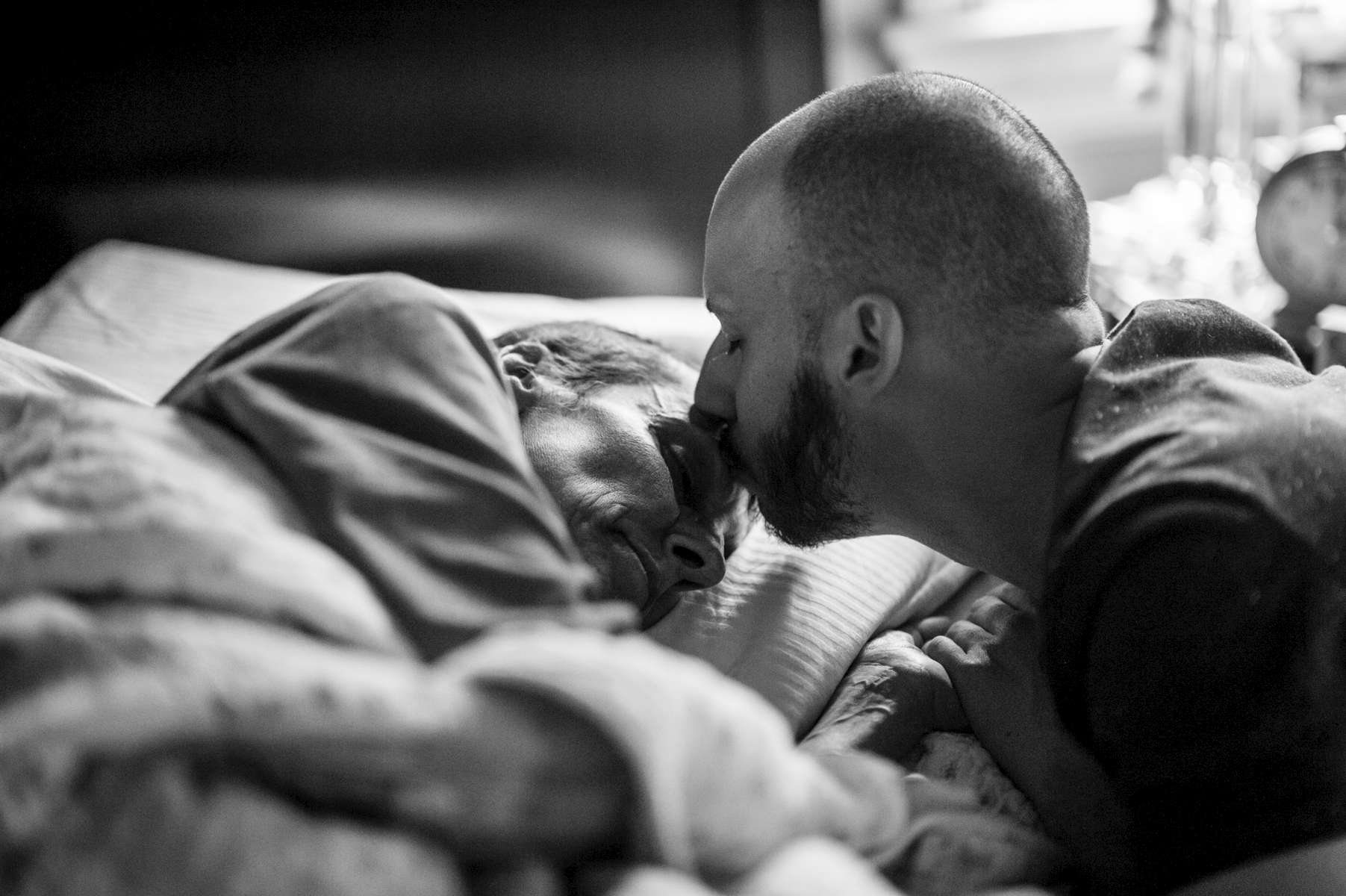
Photo by Nancy Borowick

.

For Maria Alice Pereira Costa, my mother (08-06-1956 – 21-09-2024), in memoriam

.

A light always burns beside the Holy Family. I made a promise, one I keep without fail. That is where the light must stay—there, in that place where even the night becomes beautiful. It’s like in Caravaggio’s paintings: shadows nestle close to candles, to lanterns, to flaming eyes, to the deep colors of robes, and fall asleep. When you left, I swore there would always be light to soften the darkness at home, even if only a single match lit, a phrase whispered from the soul to the depths, even just a hello, mother.

Dates are terrible. I always say the same thing, but I haven’t found another way to put it. It was November first—dreadful, heavy, numbing. Christmas was a sharp blow: the Nativity scene and the tree were here—Catarina insisted—but the little village of Bethlehem felt farther than the edge of the universe from which the jubilant star once burst. Then there was Mother’s Day, and I couldn’t write a single line. And now, your birthday. The first one. And I’m lost in this house, tossed about by memories, adrift in sentences, in your laughter, in the subtleties of your voice, calling back those strands of mischief you would weave around the table at night while the soup simmered in iron pots by the hearth and we prayed the rosary, recited aloud by Rádio Renascença from the Chapel of the Apparitions. Your life was full and hard, mother. My soul is in tatters. And yes, dates are cruel.

You turn 69 today. And yet, how can I say this—you don’t. To have a birthday is to be here, and you are here, but you don’t have one. A son (and we are four) stumbles over words: not long ago you declared, prophesied, with that irritating certainty:

This is the last time you’ll sing me happy birthday.

And already that day—so near, so distant now—cracks open the walls of reason.

Don’t say that, mother.

And then your silence, your opaque eyes without light or phosphenes, your weariness swelling until it spilled from your nose with the start of a sigh.

God will know.

You were like someone who hears the train before everyone else does—rumbling, whistling, approaching in the hush of night, drawing near the light like Caravaggio’s shadows, pretending that everything being fine is a lovely thing.

Don’t say that, mother.

You were right. Everything happened suddenly, so quickly, everything so slow and yet dizzying, all of it soaked in awe and pain, everything inside me unraveling with every memory that tosses my soul into disarray: you holding me in your lap, you lying in the hospital bed, you bent over the looms, you raising a finger in suspicion, you caring for grandma, you kneading bread and putting it in the oven, you saying goodbye, intubated, covered in bruises, you radiant with joy, you in the coffin—cold as paper—when I kissed you one last time.

Next year, God knows!

Don’t say that, mother.

And I, all four of us, the five of us (for father belongs here too, of course), hallucinating, murmuring over lunch that today you would have turned 69, if you were alive. And I, we five, hating those verbs in the conditional, the subjunctive, as if you weren’t alive, as if you weren’t here, among us, listening with your mocking smile to “Happy Birthday to you, on this special day,” as if you’d fail us on a date so important, so unforgettable, so vividly awakened by morning’s small candle flickering beside the wooden box with the Virgin, Saint Joseph, and the Child.

Cancer intruded. I’ve always loathed my cowardice toward illness. I see you still, your lungs working in a terrible struggle, your fist pressed to your chest:

This son of a bitch won’t stop.

And us, eyes fogged over, noses dripping with sorrow, voices breaking in our throats:

Oh, mother of mine.

I swore—on the eve of your passing—that as long as I remain a person in this world, there would always be a light shining from the Holy Family, spreading through the cracks in the house, boldly pushing back the shadows, bringing in the friendly fire of a candle your steadiness, your sense, your resourcefulness, your sayings, your leadership, your way of telling stories with humor and no malice. I swore I would explain myself this way when the longing sometimes chokes me and punches me hard. The place for light is within metaphors. Light should say mother with the same solemn gentleness with which a flame says love.

Is it wrong to write too often about someone you love?

Herberto Helder once wrote in A Colher na Boca, 1961, what I believe is the purest justification for that love: “Mothers are the highest things / their children create, because they place themselves / in the combustion of their children, because / children stand like invading dandelions / in the fields of their mothers.” No verse could fit this chronicle more rightly or more luminously.

This won’t be the last time we sing you happy birthday, mother.

Don’t say that, children. Live your little lives.

And that’s why the light seems so delicate, so soft, so cathartic now that the night falls and the shadows—yes, I must say it again—arrive almost, as in Caravaggio, to be beautiful.

Children’s Day

Photo by Kant Smith

.

The world exasperates. A latent brutality thrums within it, undoing the stubborn innocence of things, and making ever murkier the divination of times that shall outlive us. We know History swings, endlessly, between seasons of peace and seasons of war, between ages of brilliance and ages of barbarity, between hours of human grandeur and hours of atrocious pillage. If we return to the 1980s, we recall the searing images of Biafra, of Ethiopia—the solidarity campaigns that gathered the world against hunger. We recall the fall of the Berlin Wall, the dawn of democracy in countries once shackled by Soviet rule. We recall Mandela’s release, the silencing of guns in Northern Ireland. A time, perhaps, when free thought was loosening its chains, when democracy and the rights of the unheard began, however briefly, to hold.

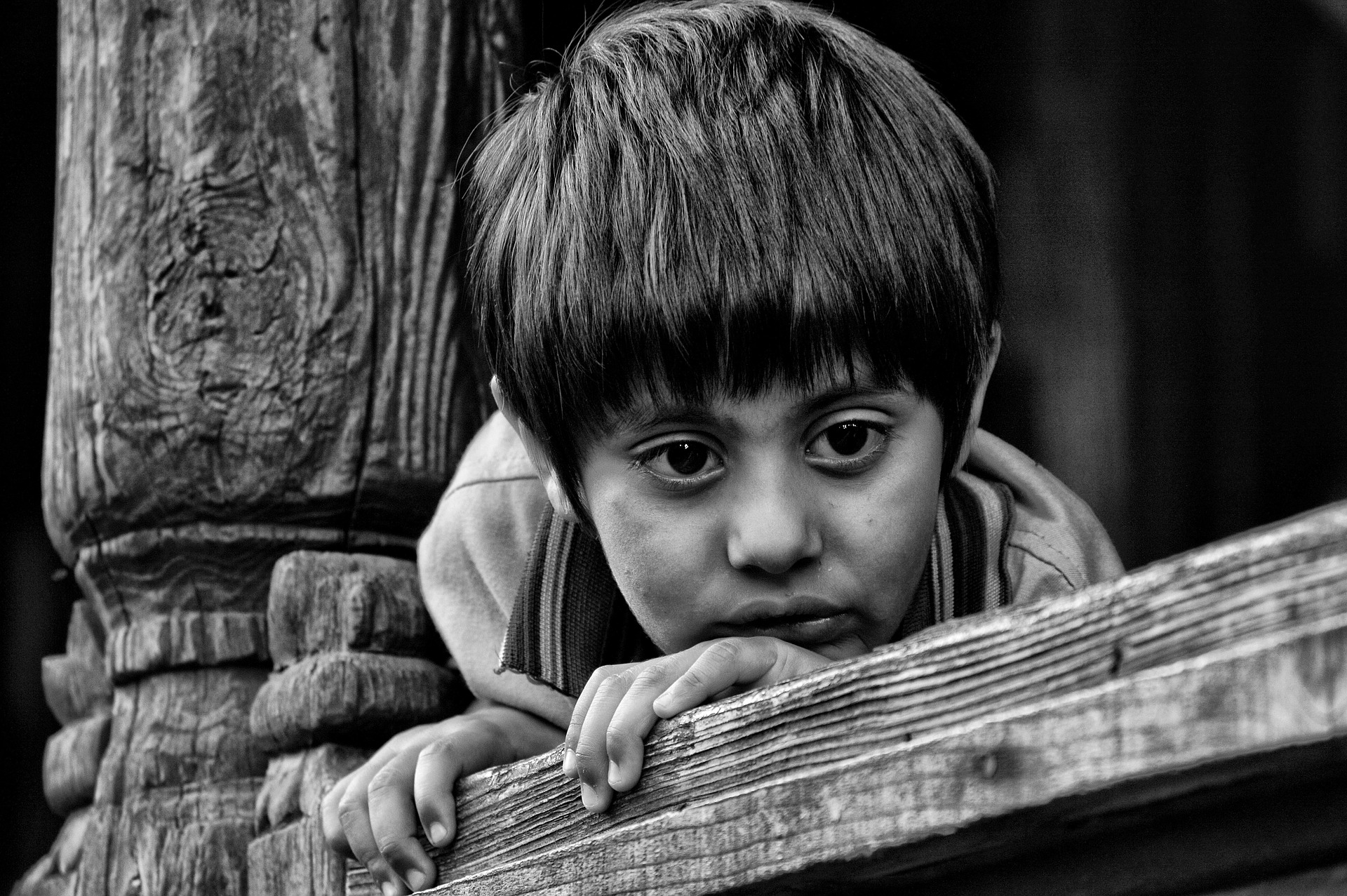
But the world is once again turned inside out by the same old forces—those who forever gnaw after wealth, after power, after dominion. One wave of hope gives way to another of grim despair. I think of the children in Gaza, in Ukraine, in that half of the world left wrinkled and worn, enslaved by the relentless sprawl of multinationals. It is hard to believe that a handful of words could matter—and that, too, exasperates.

And still, in these places seemingly abandoned by God—long since forsaken by humanity—there remains a force, faint but unyielding, that drives us to persist. A kind of breath of truth threads its way through the sulphur and phosphorus of falling bombs, compelling us to resist. Resistance itself exasperates. As though some hidden covenant between the last flickers of moral conscience and justice, poetry and the sheer passion for life, shame and a whisper of prayer were urging us to rise—to face the impious cries of tyrants, and the colluding silence of nations that call themselves free. I think of the children of Gaza, starving. The children stolen from Ukraine. The children of Yemen, Sudan, Venezuela. The ones who drown off Lampedusa and Tenerife. The ones who toil from dawn till dark in Bangladesh, in India, in countless places lost to maps. The ones ruled by the Taliban, by mafias, by the degenerate hands of men who harm them. I know that words do not console. Nor do donations (for ten years now I’ve given one to UNICEF on this day). Both are drops in the sea. But I must not forget. I need, as Pedro-Daniel Névio once wrote, to “place a blue thistle in the space left by the stolen heart.”

Perhaps that is the invisible, stubborn force—the one that, beneath the fingernails of the few (and of many more), moves mountains.

The Seer

Photo by Leon Pauleikhoff

.

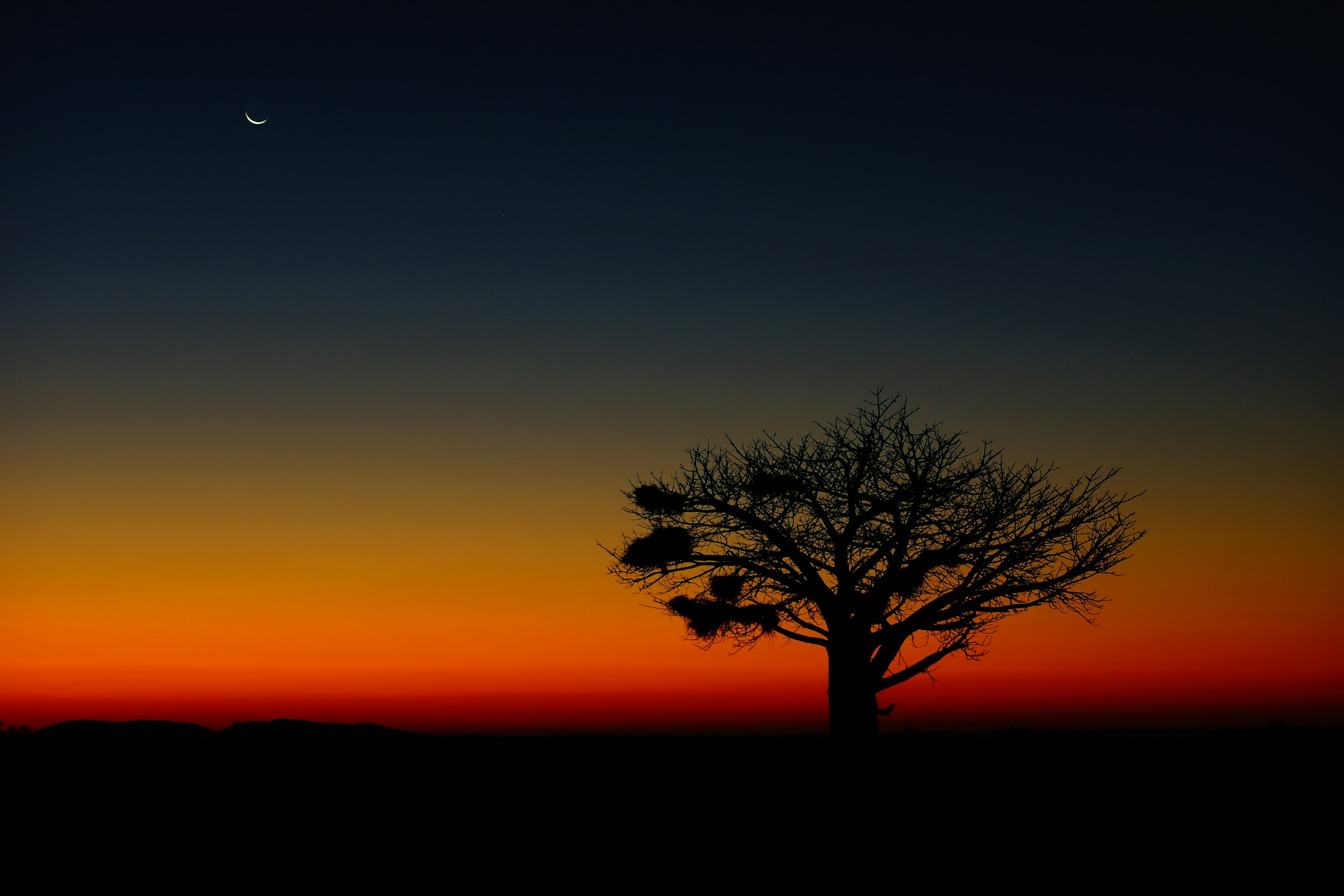
In the heart of Africa, in a Zambian village stirred by the glaucous waters of a tributary of Lake Tanganyika, lives a man of prodigious nature. He has been blind since birth, yet sees all things around him with striking clarity and depth. He is called “father,” “old one,” but also “bat” and “sorcerer.” People come to him for counsel, to bless their dealings, guide their marriages, or cure the fevers born of the bush.

The man is ancient. He has dwelled in the same adobe-and-thatch hut for over seventy years. If a serpent slithers silently toward him, he crushes its head with a precise blow from the gnarled staff that serves him as both cane and scepter. All revere him. If he says, “Seek your vundu yonder, where the great baobab roots rise,” the fishermen will find it there. If he says, “Your chicken you shall find where the ant roads cross and the kudu leap,” the farmer will find it—sometimes pecking at tadpole larvae along the lake’s alluvial slopes, sometimes no more than a bare carcass, nearly dust.

A British missionary has recently arrived in the village, coming from Rwanda. His name is Paul Montague. He has quickly won the villagers’ easy affection. He brings teachings as alien to this soil as those others who once came sowing lessons before him. When he visited the hut of the old man so often spoken of, he was startled by the torrent of curses the blind elder hurled at him in the local tongue, a daughter of the Bantu speech. The villagers merely shrug. Those who speak some broken English explain that the man is prophesying ruin. In three days, they say, a deadly rain will descend from the heavens and famine will follow.

The missionary calms the gathered crowd, proudly displaying a magical object that emits both voices and images, assuring them that modern science predicts the weather with certainty. There will be no rain in the coming days. The Seer is mistaken. But the Seer spits in disgust, drives them out, and foretells calamities without end.

Three days later, a dense, roaring, buzzing, devouring cloud descends, smothering every house, every tree, every living creature clustered there. It is a horde of locusts. They fall upon the crops, the acacias, the savanna, the conical rooftops—and seem ready even to consume the villagers themselves, barely awakened from their nightmare.

Inside his hut, the old man sits in absolute silence. They did not heed his warning, and so he weeps. In over seventy years, he has never known such scorn. From his sightless eyes burst terrible visions. That cloud of locusts is nothing compared to what is coming. It is only the beginning.

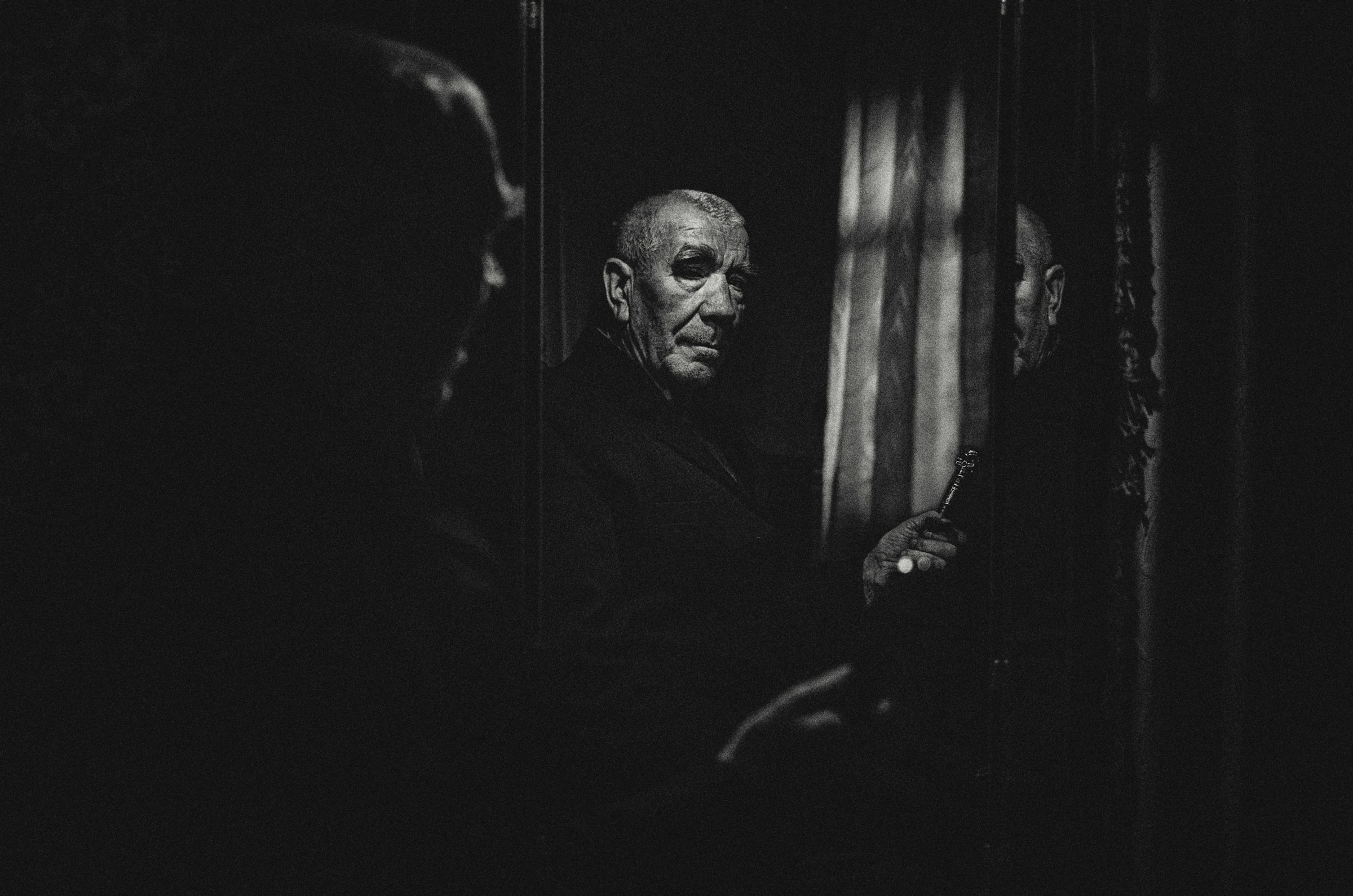
The Actor Looks at Himself in the Mirror

Photo by Vitaliy Shevchenko

.

THE ACTOR LOOKS AT HIMSELF IN THE MIRROR

do not wait so long for me
I have no future
as past I did not have.
handsome I may be
however crude
no less than statue
nor better than sand.
like every creature
what I am I am no longer.
my hands burn with the cold
and I may already be dead
or too far.
do not wait so long for me
you do not know who you wait for

Translated by Bernarda Esteves

.

O ACTOR OLHA-SE AO ESPELHO

não esperes tanto por mim
não tenho futuro
como passado não tive.
belo talvez seja
porém cru
não menos que estátua
nem melhor do que areia.
como toda a criatura
o que sou não sou.

as mãos ardem-me de frio
e talvez esteja já tão morto
ou longe de mais.
não esperes tanto por mim
não sabes quem esperas.

Original version in Portuguese, from the book Reflexões à Boca de Cena / Onstage Reflections by João Ricardo Lopes
.

Read by Catarina Lopes

To dear friends

Photo by Cristina Gottardy

.

When Jesus saw her weeping, and the Jews who had come along with her also weeping, he was deeply moved in spirit and troubled.
John, 11:33

.

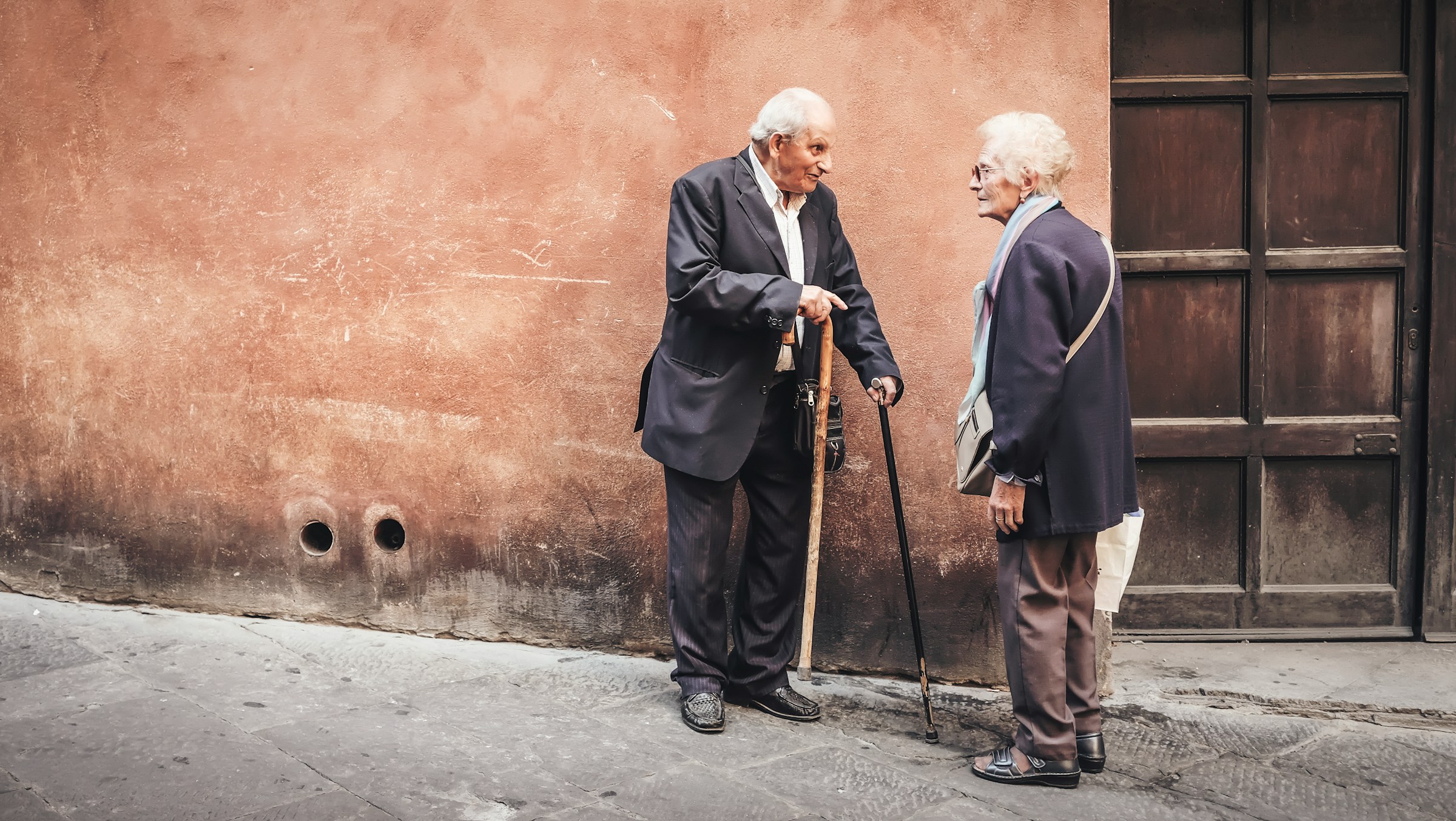
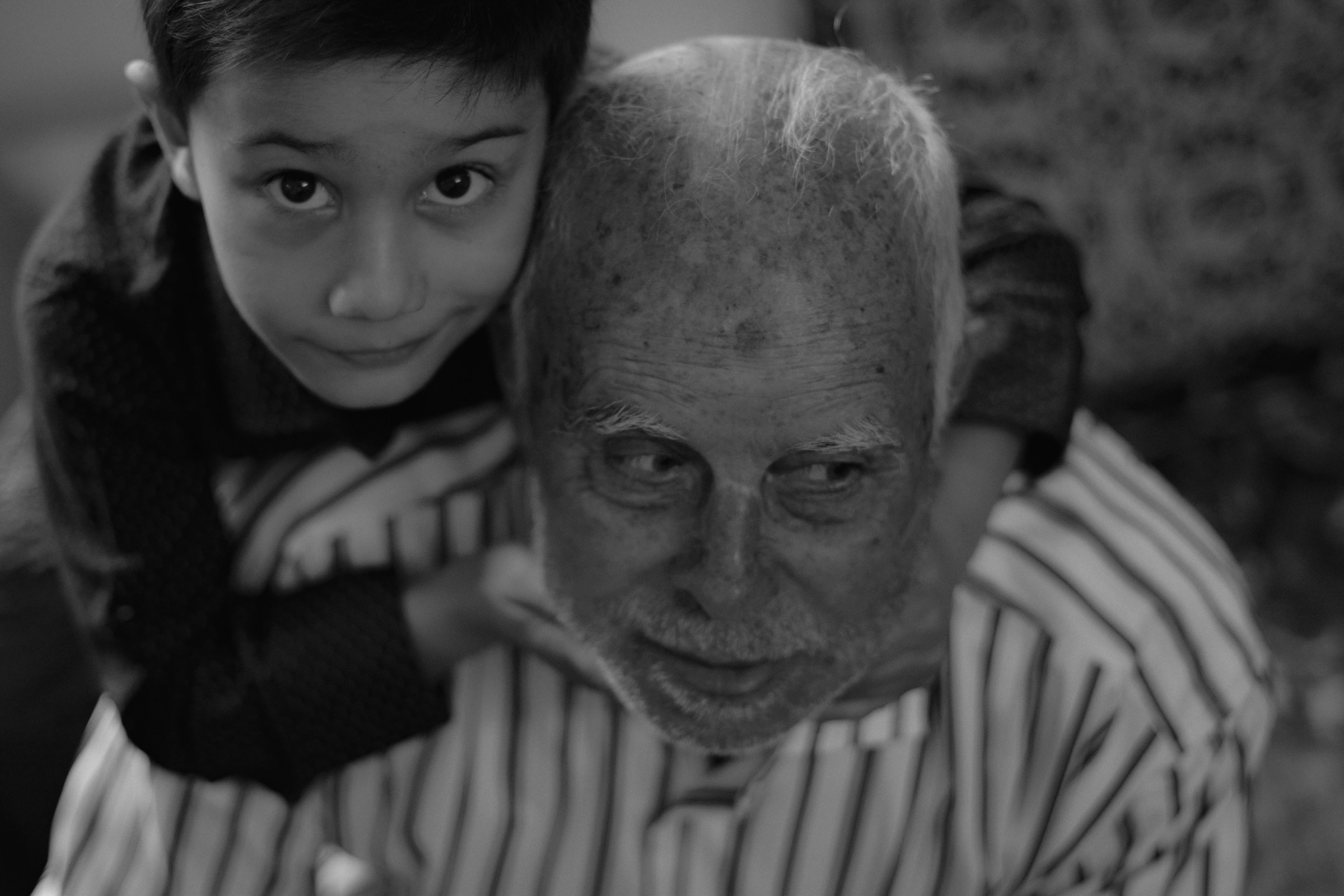
One of the tenderest landscapes from which we should never stray is that of one shoulder offered to another — and both, together, upholding the dignity of being human. A few days ago, while crossing a lattice of narrow streets with Céu on our way to the São João National Theatre, I caught sight, on a steep stretch of pavement, of an old man supporting another. It was both curious and deeply moving to see how the first, steadying himself with a cane, guided the second — whose small, bewildered eyes seemed on the verge of being swallowed by the noise and the frenzied rhythm of passing legs. Hand in hand, as we always are, Céu and I paused for a moment, watching the first gently draw the second forward, trading slow, whispered words, the two walking on like actors offstage, or like shy survivors adrift in a time and place that no longer seems to (re)cognise them.

There is little point in listing — or even hinting at — the many vile examples of selfishness, meanness or cruelty offered by society. The world is a cradle of serpents, and society the swamp where they slither round the simple and the meek.

Yet it is worth remembering José Mattoso, in a magnificent passage from Levantar o Céu – Os Labirintos da Sabedoria: “We are, without doubt, living through a dramatic moment in human history. But as long as there is life on this planet, and the sun returns in the east each morning, as long as men and women love one another, and children are born and play, there remains a trace of hope.” Watching — with the woman I love beside me — those two elders nurturing each other in that sliver of encouragement and light, I could not help but feel a deep stirring, and recall the strength of that line by Herberto Helder: “I slowly love the friends who are sad, with five fingers on each side.” So long as there is a friend who cares for us, we are not lost in darkness. Nor has the meaning of life vanished. Friendship is, by far, the finest tonic for these cursed times — and, perhaps, the only path toward their resurrection.

Poetry

Photo by Toa Eftiba

.

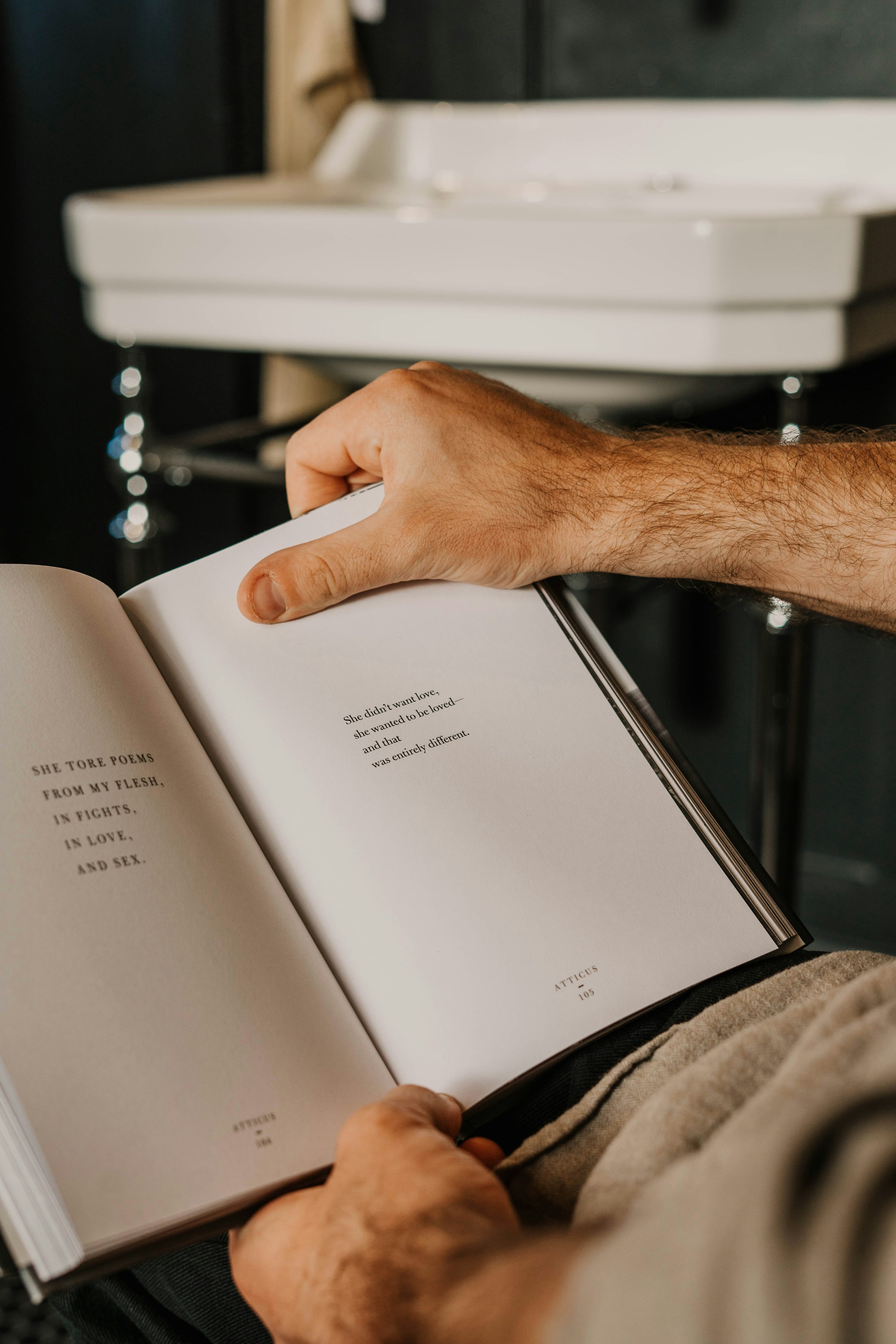
I have long read, written, collected, and loved poetry. My bookshelves cradle a considerable number of volumes dedicated to this art the ancient Greeks believed was consecrated to Euterpe—an art whose hold on me deepens with time, as I come to grasp the astonishing power of freedom contained in this ποιείν (poiein): the freedom to think, to feel, to speak.

These days, in my classes, it is rare to find a student who chooses a book of poems for their own quiet, autonomous reading. Rarer still the one who brings to their peers a collection by Sophia, José Régio, Miguel Torga, Antero, Pessanha—or even by Florbela Espanca or Eugénio de Andrade (who, despite these “hard times for lyricism,” as Bertolt Brecht once wrote, still manage to glean some measure of admiration). Rarest of all is the one who admits to loving, or even intuitively grasping, this literary form.

Perhaps this is why—saddened by yet another crisis, this slow dwindling of love—I find myself thinking, more and more obsessively, about how to preserve Homer and Hesiod, Virgil and François Villon, Whitman and Emily Dickinson, Federico García Lorca and Anna Akhmatova. How to help them survive the great catastrophe of forgetting, and above all, the cataclysm of indifference. For time has taught me that the noblest battles for the life of the spirit are almost fated to fail in a society brutalised and brutal, prosaic and stained in its sentiments by the cement blocks we trample in the streets.

Poetry must be cared for—urgently. As with the great seed vault of Svalbard, we must shelter the most extraordinary force ever forged by the human mind, heart, and courage, working in concert. Only, in place of seeds, we must seal verses within.

Bucolic

Photo by Milad Fakurian

.

At the top of the hill lies the center of the world. From there, you can see everything: the village nestled on the slopes, the medieval church, the river below with its little Roman bridge, the hay carts and the flocks passing slowly, just like the hay carts and flocks from a thousand years ago.

There, sheltered beneath the branches of an old ash tree thick with saplings and roots, we hear the following dialogue:

– My life was cowardly, weak, miserably lived…

– Why do you say such things?

– Because I’ve always been a coward, a weak man, a miserable one…

– Don’t say such ugly things…

– But you, my child, you can have a different fate!

– What do you mean, Grandpa?

– You can look into my eyes and see what you don’t want for yourself, glimpse yourself now in a future time…

– But Grandpa, how can you believe what you just said? You’ve always been kind to everyone.

– I killed all my dreams, turned away from every woman for fear they would turn away from me, ignored the warnings, dismissed good advice, believed myself old at every stage of my life…

In the end, I wasn’t even able to put an end to the terrible remorse that eats me alive!

– What do you mean by that?

– You know… Ending everything…

– Grandpa!

– But you are different, my child! I’m telling you, a different fate awaits you. I’m telling you to go! Go while the shadow of your own feet is not yet heavy enough to drag you down, nor strong enough to turn your head back… Go, and never look behind you!

The clouds drift up above. The hill is gentle, like the curve of a fruit. All who love a good story know how vain words can be—and how fond they are of a fine pastoral setting.

“Never look behind you!”

Indeed, when walking forward, one must never turn back. It is a universal truth.