. For years, on my drives along motorways or down quiet country lanes to the schools where I worked, I listened to an endless mix of albums: classical, electronic, jazz, pop‑rock, new age, Spanish guitar, fado, Gregorian chant, afro‑house, alternative, and plenty of others that don’t sit neatly anywhere. I always chose whatever matched the mood of the moment: either the need for a bit of borrowed calm, or the urge to fill my head and chest with something lively enough to spark me into action, or reaction, all on its own.
Putting on Shout by Tears for Fears at seven in the morning, when you’re still shaking off sleep and the day joins you on the A7, rising out of the distant lines of the Marão, is something that stays with you. And the effect of Eleni Karaindrou’s Elegy of the Uprooting is just as hard to forget, especially when you catch a flock of pigeons circling above a stand of plane trees and poplars glowing with autumn colour (moving like a silver shoal). The memory of Massive Attack’s Teardrop lingers too, in that moment when the car’s sleepy rhythm carries you towards the contrails on the horizon, just as the sun catches them and they look like snails unhurriedly tracing a glassy trail.
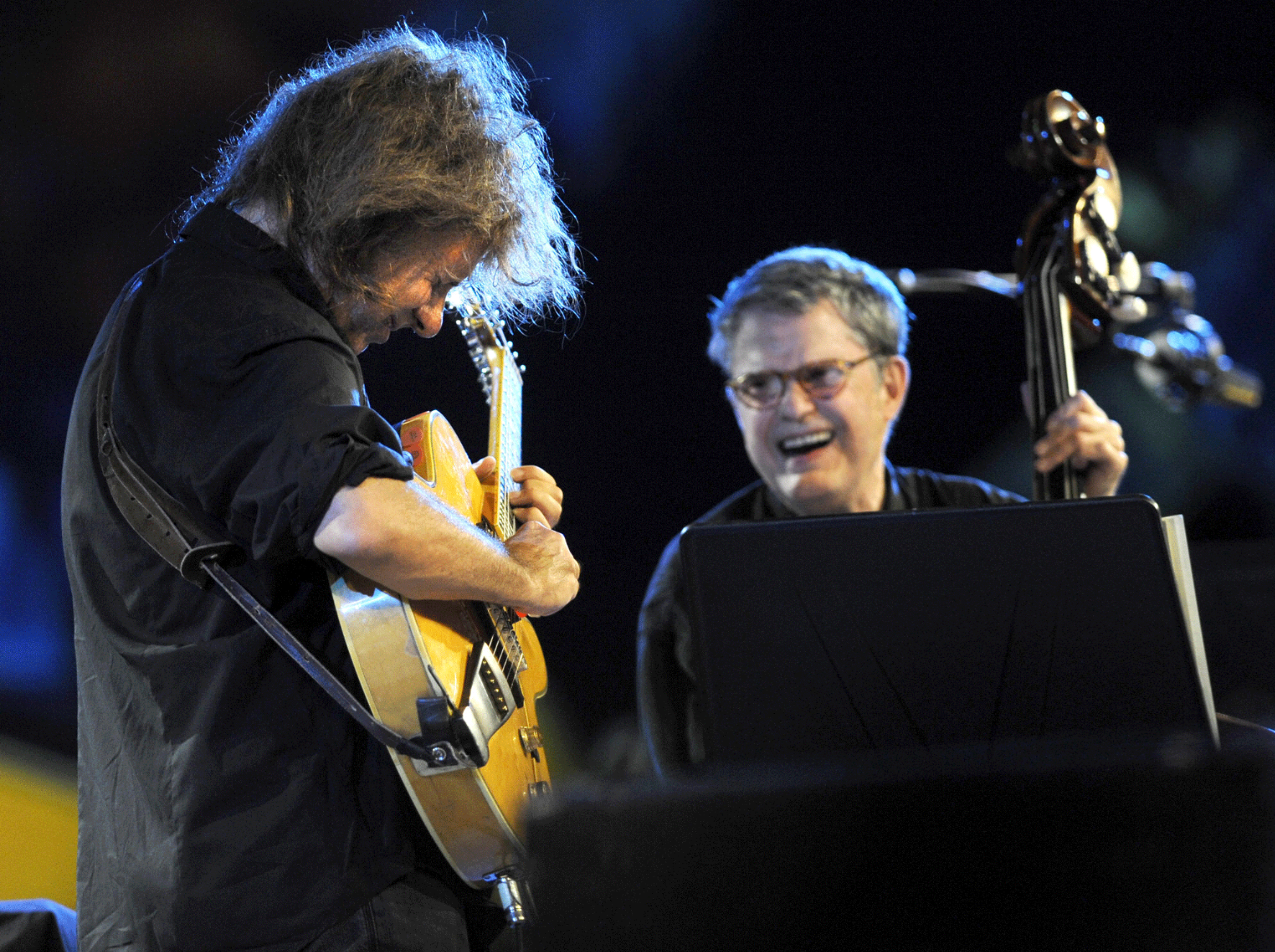
One album stayed with me for months: Beyond the Missouri Sky, by Pat Metheny and Charlie Haden. His guitar and his bass were a steadying presence, a quiet sort of comfort during the morning queues and in those other moments when the road felt like it was taking me, on my own, somewhere beyond God. More than once I found myself writing in my head with that soundtrack behind me. And I never knew, or managed, to say thank you. Because music (like poetry) is something you listen to, love, and feel grateful for.
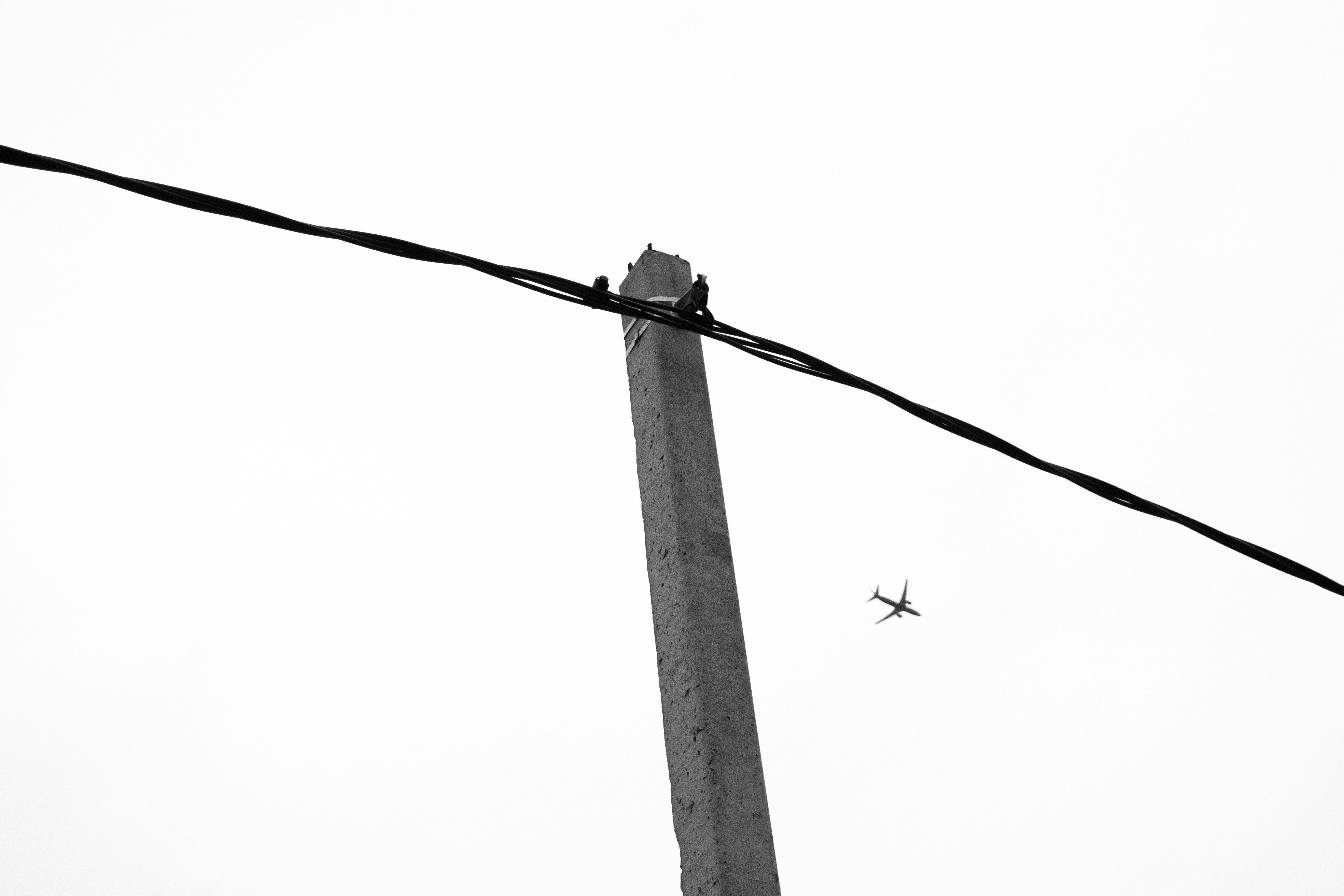
Sometimes, still with my eyes hardened by sleep, I come out into the courtyard and stand there for a few minutes, simply contemplating. I see the triple high‑voltage lines, the fuselage of an aeroplane moving between them, the sometimes frayed, translucent lacework of spiderwebs on the roof cornices, the roads rising and falling, curving through the places that were and are my whole life.
I ask myself whether these lines might not also be a form of language, of writing, just like the sun, the grasses, or the wind itself. Might they be a kind of script whose deciphering depends largely on the sharpness of our eyes and on the sense of occasion with which they plunge into reality and see it differently?
The Polish poet Wisława Szymborska tells us that “Nothing can ever happen twice. / In consequence, the sorry fact is / that we arrive here improvised / and leave without the chance to practise.” It is a variant of the popular saying “nobody is born knowing”. The world’s forms of communication are a little like the false silence of the cosmos: everything depends on the kind of telescope with which we scrutinise it. Our innocence ends the moment we discover a way of reading what lies beyond us.
.
The quoted lines are from Wisława Szymborska’s poem “Nothing Twice”, in the translation by Stanisław Barańczak and Clare Cavanagh, published in Poems New and Collected, 1957–1997 (Harcourt). .
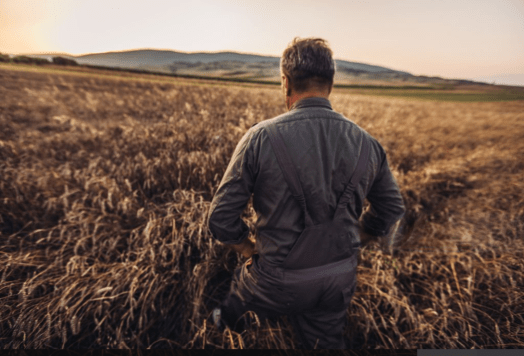
my father sets stakes in the backyard. at his age he still lifts the tangled rows of peas, the strawberries, and the white blossoms of the plum tree, and later the beautiful, heavy bodies of its fruit. he crouches, in silence, mending wire threads, braiding and unbraiding the pumpkin ropes. sometimes, toward nightfall, he keeps tying and untying knots, always crouched, always with his back turned. if we offer him a word, water, a handful of walnuts, he raises a hand in quiet protest. why does my father work so much. to whom does he wish to pass, with such pain, his stakes lifted to the sky. what does his weary tongue say, full of hints, already hungry – I want to believe – for eternity
.
Poem by João Ricardo Lopes | Translated by Marcus Margrave (2026)
Ανάμεσα στις πιο σταθερές και αναγνωρίσιμες φωνές της σύγχρονης πορτογαλικής ποίησης, η φωνή του João Ricardo Lopes (Ζοάου Ρικάρντου Λόπες, γεν. 1977) έχει κερδίσει τα τελευταία χρόνια ιδιαίτερη προσοχή στον ευρωπαϊκό χώρο. Οι μεταφράσεις και οι αναφορές στο έργο του πληθαίνουν, επιβεβαιώνοντας την αξία και την απήχησή του στους λογοτεχνικούς και ακαδημαϊκούς κύκλους. Στα Βαλκάνια πρωτοπαρουσιάστηκε το 2005, χάρη στην πρωτοβουλία της Τάνια Τάρμπουκ, σηματοδοτώντας την πρώτη του έξοδο από την Πορτογαλία.
Όπως σημειώνει ο João Pedro Mésseder, η ποίηση του Λόπες «δομείται από μικρές εκλάμψεις, ιδιαίτερες στιγμές, μαγικές εικόνες, αποσπάσματα από ταινίες, πίνακες και μουσικά έργα (Μπαχ, Σοπέν, Σούμπερτ). Κυρίως όμως στηρίζεται σε εκείνη τη σχεδόν ανεπαίσθητη δόνηση των απλών πραγμάτων, που συχνά αποτελεί τον πυρήνα του ποιήματος και συγχέεται με τις ίδιες του τις λέξεις». Πράγματι, οι σύντομοι και πυκνοί στίχοι του, φορτισμένοι με υπαινιγμούς, αξιοποιούν τη μεταφορά — άλλοτε απρόσμενη, άλλοτε κοφτερή ή αποσταθεροποιητική — ως βασικό εργαλείο της ποιητικής του.
Για τον Έλληνα αναγνώστη, ένα στοιχείο ξεχωρίζει αμέσως: η έντονη και ζωντανή παρουσία του ελληνικού κόσμου. João Ricardo Lopes γνωρίζει σε βάθος την ελληνική γραμματεία, την οποία σπούδασε στο λύκειο και στο πανεπιστήμιο, και κινείται με φυσικότητα ανάμεσα στον Όμηρο, τον Ησίοδο και τον Αισχύλο, αλλά και σε νεότερους ποιητές όπως ο YΓιάννης Ρίτσος, ο Τάσος Δενέγρης ή η Αντιγόνη Κατσαδήμα. Η σχέση αυτή δεν εμφανίζεται ως λόγια επίδειξη, αλλά ως οργανικό μέρος της ποιητικής του, που προσδίδει στα ποιήματά του μια ηχώ όπου συναντιούνται η αρχαιότητα και η νεοελληνική παράδοση.
Οι μεταφράσεις που παρουσιάζονται εδώ επιχειρούν να προσφέρουν στον Έλληνα αναγνώστη μια ουσιαστική πρόσβαση σε αυτόν τον διάλογο. Επιλέξαμε κυρίως ποιήματα από τη συλλογή Eutrapelia (2021), όπου η ελληνική παρουσία είναι ιδιαίτερα έντονη, καθώς και το ποίημα «Αρετή» από το Em Nome da Luz (2022). Στόχος μας είναι μια μετάφραση ακριβής αλλά και ευαίσθητη, ικανή να αναδείξει τον τρόπο με τον οποίο η σύγχρονη πορτογαλική ποίηση μπορεί να ξανασυναντήσει, να επανερμηνεύσει και να αναδημιουργήσει το ελληνικό φαντασιακό.
.
Βιοβιβλιογραφία:
João Ricardo Lopes γεννήθηκε στις 21 Ιουνίου 1977 στη Γκιμαράες, στη βόρεια Πορτογαλία. Σπούδασε Δημοσιογραφία και Σύγχρονες Γλώσσες και Λογοτεχνίες στο Πανεπιστήμιο του Πόρτο. Έχει εκδώσει επτά ποιητικές συλλογές, έναν τόμο διηγημάτων και έναν τόμο δημοσιογραφικών χρονογραφημάτων:
Έχει τιμηθεί με το Εθνικό Βραβείο Ποίησης Vila de Fânzeres (2001 και 2022), το Βραβείο Διηγήματος Maria Irene Lisboa (2009) και το Βραβείο Πρωτοεμφανιζόμενου Ποιητή Ary dos Santos της Πορτογαλικής Ένωσης Συγγραφέων (2001).
Είναι καθηγητής, μεταφραστής και, όπως ο ίδιος λέει, «κηπουρός στον ελεύθερο χρόνο του». Το αγαπημένο του χρώμα είναι το γαλάζιο.
.
ΑΡΕΤΗ
εν μέσω καταστροφών έρχεται στο νου μου η ηρωική περηφάνια των Ελλήνων
για εκείνους υπήρχε ένα πεπρωμένο, ένα όνομα, μια τιμωρία
υπήρχε στην ποίηση ένας κάποιος έρωτας ακόμη δυνατός
κι όμως στο μεταξύ όλα χάθηκαν πια:
οι θεοί, η κάθαρση, η λύτρωση του παραλόγου
μόνο ο ήλιος καμιά φορά είναι μια άχραντη παρουσία
.
ARETÊ
no meio das catástrofes vem-me à cabeça o orgulho heroico dos gregos
havia para eles um destino, um nome, uma punição
havia na poesia um certo amor possível ainda
perdeu-se entretanto tudo:
os deuses, a catarse, a remissão do absurdo
só o sol às vezes é uma presença impoluta
entra em casa e nas coisas, diligente, mas sem pressa, sem peso, sem magoar
.
.
ΣΩΦΡΟΣΥΝΗ
μετά τις νύχτες της αϋπνίας, τα πρησμένα μάτια θυμίζουν πως ψυχή και σώμα είναι ένα μόνο, όχι ύλη και σκιά ή ύλη και φως, μα μία φωνή που φωνάζει σε απόσταση ενός φλιτζανιού καφέ
.
SOFRÓSINA
depois das noites de insónia, os olhos inchados lembram que alma e corpo são um apenas, não matéria e sombra ou matéria e luz, mas apenas uma voz que clama à distância de uma chávena de café
.
.
ΠΟΙΕΙΝ
.
… não olhes para outro astro mais incandescente que o Sol a brilhar de dia no céu deserto…
Píndaro (Tradução de Frederico Lourenço)
.
να ντύσεις ένα ποίημα με ήλιο αυτό κάνουν οι Έλληνες από την αρχή, να υμνούν τη ζωή και ποτέ τη ρήξη ανάμεσα σε ψυχή και φρήν, ποτέ το φάντασμα του Πατρόκλου που ομολογεί στον Αχιλλέα το μαρτύριο της σιωπής
το ποίημα είναι γι’ αυτούς κάτι ορμητικό, παλλόμενο, ζωντανό, ανίκανο να βουλιάξει στον χρόνο ή να νικηθεί από τη σκόνη
τις λέξεις ενός ποιήματος θα τις ονομάσει ο Χουάν δε λα Κρους αιώνες αργότερα λύχνους φωτιάς μέσα στις βαθιές σπηλιές του νοήματος
συμφωνούμε, λοιπόν, σ’ αυτό – τίποτα δεν καίει όπως η ποίηση όταν καίει
Η επιγραφή παραθέτει δύο στίχους του Πινδάρου, όπως αποδίδονται στα πορτογαλικά από τον Frederico Lourenço: «μὴκέτ’ ἠελίου σκόπει / ἄλλο θαλπνότερον ἐν ἁμέρᾳ φαεννὸν ἄστρον».
.
POIEIN
.
… não olhes para outro astro mais incandescente que o Sol a brilhar de dia no céu deserto…
Píndaro
(Tradução de Frederico Lourenço)
.
vestir um poema com sol é o que fazem os gregos desde o começo, celebrar a vida e nunca o dissídio de psyche e phren, nunca o fantasma de Pátroclo que confessa a Aquiles a tortura do silêncio
o poema é para eles uma coisa veemente, pulsante, viva, incapaz de soçobrar no tempo ou de ser vencida pelo pó
às palavras de um poema chamará Juan de la Cruz séculos mais tarde lâmpadas de fogo entre as cavernas profundas do sentido
concordamos, em suma, neste ponto – nada queima como a poesia quando queima
.
.
ΕΥΤΡΑΠΕΛΙΑ
όταν οι μέρες γίνουν πολύ βαριές, επαναληπτικές, φριχτές, ίσως μπορέσεις να θυμηθείς το υπέροχο κίτρινο κρίνο που ξαναγεννιέται κάθε χρόνο στο πιο σκοτεινό μερίδιο της αυλής, ή τα σοφά λόγια του Επίκουρου, ή τα άγια λόγια του Αυγουστίνου, και να αγαπήσεις την ομορφιά αλλιώς, ή να τη γνωρίσεις πέρα από τις μορφές, τα χρώματα, τη κοινή λογική, μετρώντας την όχι πια από την ένταση και τη φανφάρα, αλλά από το καλό που σου κάνει
.
EUTRAPELIA
quando os dias forem demasiado pesados, repetitivos, atrozes, talvez possas recordar-te do magnífico jarro amarelo que renasce todos os anos no quinhão mais sombrio do quintal, ou das palavras sábias de Epicuro, ou das palavras santas de Agostinho, e amar a beleza de outro modo, ou conhecê-la para além das formas, das cores, do senso comum, medindo-a não já pela intensidade e espalhafato, mas pelo bem que te faz
.
.
ΚΑΣΣΙΟΠΕΙΑ
ο ακριβής τόπος της νύχτας είναι εκεί όπου τα μάτια ακουμπούν και κλείνουν. καμιά φορά φωνάζουν μέσα τους, μα θα ’ναι απλώς μια πλάνη
όλοι ξέρουμε πως τα όνειρα δεν μιλούν και πως οι κραυγές συχνά δεν είναι παρά πέτρες που καίγονται
.
CASSIOPEIA
o lugar exato da noite é onde os olhos poisam e fecham. às vezes gritam por dentro, mas será somente um engano
todos sabemos que os sonhos são mudos e que os gritos amiúde não passam de pedras em combustão
.
.
ΕΛΕΝΗ ΚΑΡΑΪΝΔΡΟΥ
μπορεί η μουσική να μας θυμιάζει όπως τα λόγια της Αντιγόνης στον Σοφοκλή και να θερίζει μέσα στη λύπη της την πιο υψηλή έννοια της ηθικής
μπορεί η μουσική να είναι ακόμη ωραιότερη, τολμώ να πω άρρητη. χωρίς λόγια μιλά, χωρίς να καταλαβαίνουμε ξέρουμε
.
ELENI KARAINDROU
pode a música incensar-nos como as palavras de Antígona em Sófocles e colher na sua tristeza a mais alta noção de ética
pode a música ser mais bela ainda, arrisco a dizer incognoscível. sem palavras ela diz, sem compreender nós sabemos
.
.
ΗΛΙΟΣΤΑΣΙΟ ΣΤΗΝ ΚΡΗΤΗ, ΑΝΑΚΤΟΡΟ ΤΗΣ ΚΝΩΣΟΥ
.
στην Κατερίνα, την βαφτιστήρα μου
.
θα αγαπήσουμε για πάντα αυτό το διάφανο φως της Κρήτης που στο ανάκτορο του Μίνωα φωτίζει τα ψάρια και τον ταύρο και όλες τις μορφές που η λαβυρινθώδης ύπαρξή μας φυλάκισε
θαμπωμένοι ή τυφλοί, βλέπουμε ακόμη σαν χρωματιστές σκιές το λευκό των λίθων, το πομπηιανό κόκκινο, το κυανό των τοιχογραφιών, το κίτρινο του μουστάρδου, το πορτοκαλί των προσώπων και των σωμάτων, το ώχρα των αμφορέων υψωμένων σε προσφορά στους θεούς
μπορεί ο χρόνος – όπως φτύνουν τα πικρά κουκούτσια – να μας αποβάλει, μα εμείς είδαμε τη ζωή και σ’ ένα πανάρχαιο θαύμα ευχαριστούμε τον ήλιο αυτής της μέρας
.
SOLSTÍCIO EM CRETA, PALÁCIO DE CNOSSOS
.
para a Catarina, minha afilhada
.
amaremos para sempre essa luz límpida de Creta que no palácio de Minos os peixes ilumina e o touro e todas as formas que a nossa existência labiríntica aprisionou
ofuscados ou cegos, vemos ainda como sombras cromáticas o branco das pedras, o vermelho-pompeia, o azul ciano dos afrescos, o amarelo-mostarda, o laranja cítrico dos rostos e dos corpos, o ocre das ânforas erguidas em oferecimento aos deuses
pode o tempo (como se faz a pevides amargas) cuspir-nos, mas nós vimos a vida e a um milagre antiquíssimo agradecemos o sol deste dia
.
.
Η ΕΜΠΕΙΡΙΑ ΤΟΥ ΜΕΛΙΟΥ
τίποτα δεν είναι ωραιότερο από την αιμορραγία του μελιού στις κυψέλες. ανεβαίνουμε σ’ ένα ύψωμα και οι ομίχλες βουίζουν, είναι μικροί δαίμονες που τραγουδούν και δαγκώνουν
ο τρόπος που κυλά εκεί ο ήλιος είναι με τη βραδεία του τραχύτητα ένα αίνιγμα. ρέει σε θραύσματα χρυσού που πληγώνουν το στόμα και που από τον Ησίοδο είναι όλη η ποίηση της Ευρώπης
.
A EXPERIÊNCIA DO MEL
nada existe de mais belo do que a sangria do mel nos cortiços. subimos a um alto e as neblinas zumbem, são pequenos demónios que cantam e mordem
o modo como o sol escorre aí é na sua lenta brusquidão um enigma. flui em estilhas de ouro que magoam a boca e que desde Hesíodo têm sido toda a poesia na Europa
.
.
ΘΑΥΜΑΣΤΑ
είναι δυνατό να οργώσεις τον άνεμο, να τον διαλύσεις σε ανθρώπους, τοπία, καρπούς μιας όψιμης εποχής, είναι δυνατό να φέρεις μέσα στο δάκρυ τη λεπτή αύρα κάποιων χειμωνιάτικων απογευμάτων, όταν στο παράθυρο οι κουρτίνες κυματίζουν κι ανακαλύπτεις έναν κόσμο ξαφνικά διακομμένο
κάποτε έγραψα η λύπη μπορεί να είναι πολύ όμορφη κι αυτό επίσης είναι μια μορφή παρηγοριάς
είναι δυνατό να ακούσεις την καρδιά της πέτρας να πάλλεται, να γνωρίσεις τον κόσμο στο μπερδεμένο σχέδιο των δαχτύλων, να ξυπνήσεις στη φωτιά ή να κοιμηθείς πάνω στα νερά
εκείνη τη φορά έγραψα κι αυτό πολλά πράγματα τα ήξερες, παππού. κανείς όπως εσύ δεν αγαπούσε την αβεβαιότητα των θαυμάτων
.
PRODÍGIOS
é possível arar o vento, decompô-lo em pessoas, paisagens, frutos de uma estação tardia, é possível trazer para dentro da lágrima a subtil viração de certas tardes de inverno, quando à janela as cortinas esvoaçam e se descobre um mundo subitamente interrompido
uma vez escrevi a tristeza pode ser muito bela e também isso é uma forma de consolo
é possível ouvir o coração da pedra palpitar, conhecer o mundo no desenho confuso dos dedos, acordar para o fogo ou dormir sobre as águas
dessa vez também escrevi muitas coisas tu sabias, avô. ninguém como tu amava a incerteza dos prodígios
.
Επιλογή και μετάφραση των ποιημάτων από τους Δημήτριο Λενάκη (Dimitrios Lenakis) και Χρήστο Κατσάρο (Christos Katsaros), 2025.
There is only one dependable way to love life: to draw near to the limpidity that asks for patience, courage, sacrifice, and so often silence and self‑denial. And also for defeats, for the encounter with what contradicts us, for the labour of continual learning. Zbigniew Herbert, in a remarkable poem, writes, “I would like to describe the simplest emotion,” trading “all metaphors / for a term / torn from the chest like a rib / for a word / that fits / within the limits of my skin.”
With age we learn that nothing is quite as difficult as the limpidity of childhood—an equivocal yet precious gift. We learn that truth (like the sun) still casts its light and warmth, though it has shifted its place upon the horizon. The irony could hardly be sharper: as we grow older and confront physical short‑sightedness, we look more deeply into things, into the character of others (and of ourselves), into the perplexity of life, into the feeling stirred by little beings, into the pain dealt to us by ignorance and human savagery; we look more intently into the depths of the cosmos, of death, of the genuine happiness born in a poem; we look towards the comfort of friendly voices, towards the solemn wisdom of Vilhelm Hammershøi’s paintings, or the enchantment of the guitar chords of Isaac Albéniz or Joaquín Rodrigo. Life does not require wealth or genius to be worthy. It asks only for kindness and stillness. And with age we learn that nothing matters more than drawing close to our destiny, even if that destiny is a mirage. We recognise it by the confidence and quiet joy with which we open the door each morning. In the end, compassion is the reward of our discovery.
I write these words on a bright December morning, a cup of coffee warming my hands. I feel, far beyond myself, the harmony of space and the mind’s impetuous surge of effort. I might have taken up pencil and paper to write something entirely different. But I needed to set down this thought. Life chose us, as love chooses us, or as the gaze of someone seeking ours. I suppose that responding to such devotion is worth not only the effort, but above all the heart.
There was a time in Torben Bjørnsen’s life when his deeds flowed easily and applause reached him from every side. Success seemed without limit and he carried it in his gestures and in his words, for he was a fine writer and an even finer orator. The initials TB gleamed on bookish placards and university periodicals, but above all on the flyers and posters set at the entrances of the packed lecture theatres where he appeared so often.
But that was another time.
With no explanation we might offer the reader, Torben Bjørnsen flung himself into a harsh flight of self-erasure: he refused interviews, turned down invitations, forgot patrons and admirers, and sealed himself in a troubling muteness and solitude, as though he had suddenly needed to transform the empathetic skin of his former self into an armour of scales and spikes. For almost two decades he has produced no new writings, not even the brief prose poems we cherished so much.
Celebrity was followed by resentment and vendetta.
A kind of hatred for the man has taken root in Denmark, a country which, like all others, accumulates both noble and rotten makers of public opinion. Some claim Torben fled the reach of justice, guilty of some offence drawn from the spectrum of social aberrations. Others explain his silence through a profound religious conversion, the sort one does not expect in days so stripped of spirituality as ours. There are those, too, who justify the change with a single word: weariness.
Ida Kjær, a mutual friend, told us recently that she meets him once a year.
Torben does not live in Greenland, in the Faroe Islands, nor on any of those islets on the way to Sweden. He lives where he has always lived, with his cat, with his collection of nativity scenes, with his endless notebooks where he scrawls emendations and runic symbols. “Only older, much older, and filled with that childlike glow that draws us, on this Saint Lucy’s Day, in a crowd to the lighted canals. Torben will be there, anonymous and content, sharing and receiving lussebullar. You’ll see!”
The old man gathered every matchstick he could find. At first they took him for one of those model builders of castles and ships. But no one ever saw him create anything, not a single piece, and so, in time, they began to see him as a madman.
The small, burnt sticks give a beautiful sense of what our life is and what our death is. Some lose their heads easily, others keep their full ashen heads and charred bodies. When joined with patience and calm, they form palisades, bridges, rafts between the realm of the living and the realm of the dead. They resemble poems written to last a miraculous instant and a forever tinged with sorrow. One must understand them.
In December, when the days fade earlier, just before Christmas, they found the old man dead at home. He lay stretched on the floor, inside a gigantic cage made of thousands and thousands of those enchanting fragments of burnt wood. It was a poor mausoleum.
Whether it sheltered him or held him captive, no one has ever managed to understand from what, or why.