
.
REMBRANDT’S SADNESS
the question was always this:
can someone’s sadness, at any time, in any place,
ever find a way to be satisfied?
we have our doubts about the matter
sadness shares with water the sin of avarice.
first it skips about, then it digs itself in,
and a little further on it hollows out sombre lights
through the hills,
one day it cuts across our path
“you shall not pass,” it writes under its breath,
“you shall not pass”
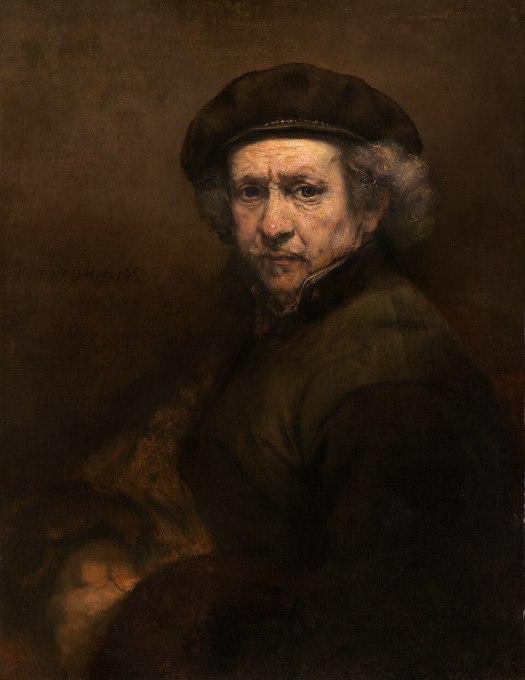
let us consider the case of Rembrandt Harmenszoon van Rijn
his pain seems limitless, growing from portrait
to portrait, like a river that knows itself unstoppable
in its predatory course
looking into his eyes as they look into the mirror,
we see Saskia and the promissory notes, old age imprinted
in the swellings and the cracks of the skin
what is the size or the depth of his grief?
we have an idea about the matter,
water is a good term of comparison
one day it makes us sink into a delirium of silver‑gelatin paper.
but not even there, not even then, does it show itself fully sated.
sadness will not abide the earth’s crust,
its kingdom lies in the deepest hells,
or even beyond them.
.
Poem by João Ricardo Lopes
Official Website: https://joaoricardolopes.com