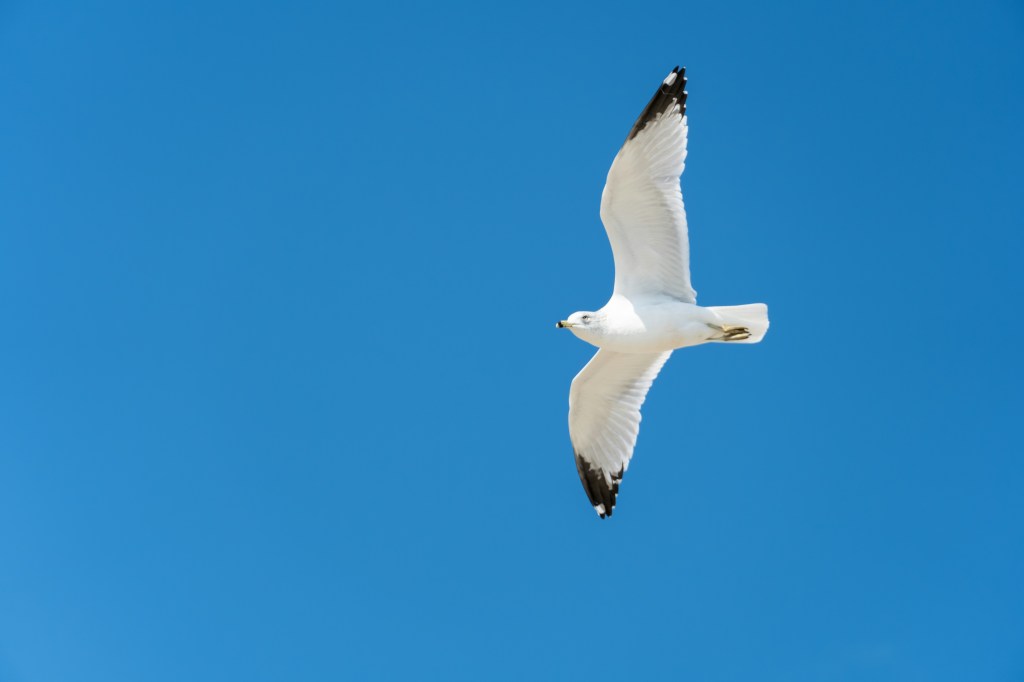
Abbās Ibn Firnās climbed a towering height and, strapped to two wings, first, he plunged into the abyss, then he glided over the skies of Córdoba. tears of joy broke out, praise be to Allah! centuries later, long before Leonardo, Eilmer also flew, above Malmesbury Abbey, imitating the craft of birds. God have mercy on that madman!
poetry, you ask? always that same death‑defying leap into the void, and somehow one survives it, again, and again, and again
. Poem by João Ricardo Lopes | Translated by Marcus Margrave (2026)
I find my peace descending through the notebook towards a blank page
besieged by noise and by emptiness, my words hold themselves in reserve for You, for the radiance of morning, for the voice that leads me along the tortuous thread of time
in my fingers I feel the rigor of water, the labor of soap, Your joy
like grasses greening in the earth, the words flow: I know men will come with their many blades, they will come with the fire of their loveless hearts and that small infinite light may not endure beyond half a season
but it does not matter. there was in my wrists the tremor, the miracle repeated from the days of the beginning and I know that every poem is born for You, all the green of humble, useless things and I know that I am fortunate, because You taught me so
.
Poem by João Ricardo Lopes | Translated by Marcus Margrave (2026)
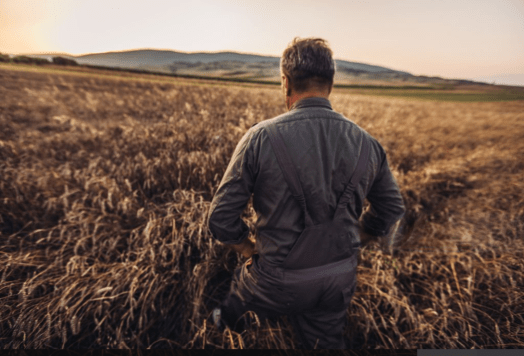
my father sets stakes in the backyard. at his age he still lifts the tangled rows of peas, the strawberries, and the white blossoms of the plum tree, and later the beautiful, heavy bodies of its fruit. he crouches, in silence, mending wire threads, braiding and unbraiding the pumpkin ropes. sometimes, toward nightfall, he keeps tying and untying knots, always crouched, always with his back turned. if we offer him a word, water, a handful of walnuts, he raises a hand in quiet protest. why does my father work so much. to whom does he wish to pass, with such pain, his stakes lifted to the sky. what does his weary tongue say, full of hints, already hungry – I want to believe – for eternity
.
Poem by João Ricardo Lopes | Translated by Marcus Margrave (2026)
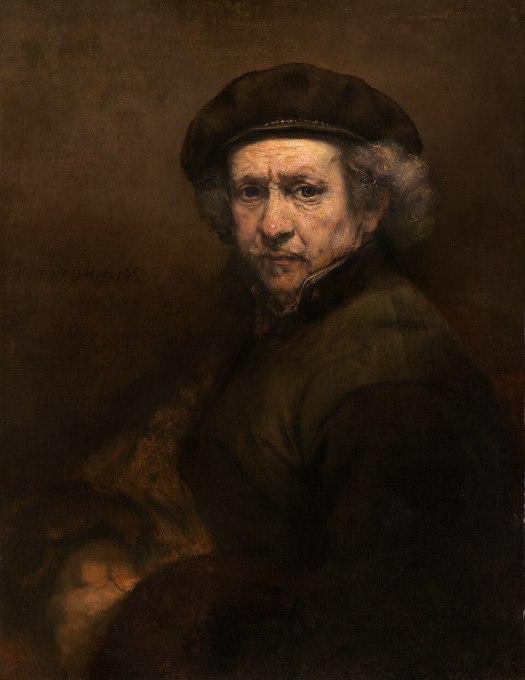
Rembrand, Self-Portrait with Beret and Turned-Up Collar, 1659
.
REMBRANDT’S SADNESS
the question was always this: can someone’s sadness, at any time, in any place, ever find a way to be satisfied?
we have our doubts about the matter
sadness shares with water the sin of avarice. first it skips about, then it digs itself in, and a little further on it hollows out sombre lights through the hills, one day it cuts across our path
“you shall not pass,” it writes under its breath, “you shall not pass”
let us consider the case of Rembrandt Harmenszoon van Rijn
his pain seems limitless, growing from portrait to portrait, like a river that knows itself unstoppable in its predatory course
looking into his eyes as they look into the mirror, we see Saskia and the promissory notes, old age imprinted in the swellings and the cracks of the skin
what is the size or the depth of his grief?
we have an idea about the matter, water is a good term of comparison
one day it makes us sink into a delirium of silver‑gelatin paper. but not even there, not even then, does it show itself fully sated. sadness will not abide the earth’s crust, its kingdom lies in the deepest hells, or even beyond them.
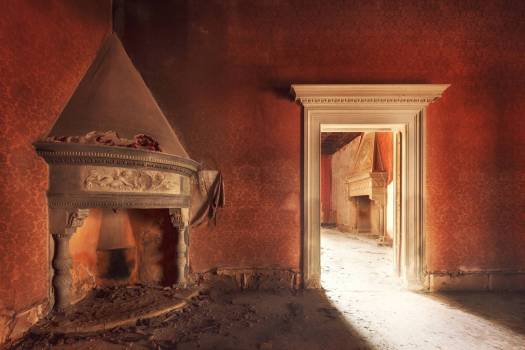
you will often return to yourself as one enters places where hearths once burned and where the smell of smoke lingers melancholic and invisible
an autumnal or wintry mustiness grips your startled hands and wants to sink them into the earth
so take the necessary precautions
when the tangle of days on your shoulder blade feels like cement or hatred in its pure state, leave the house, breathe the grasses, bite their stems hard
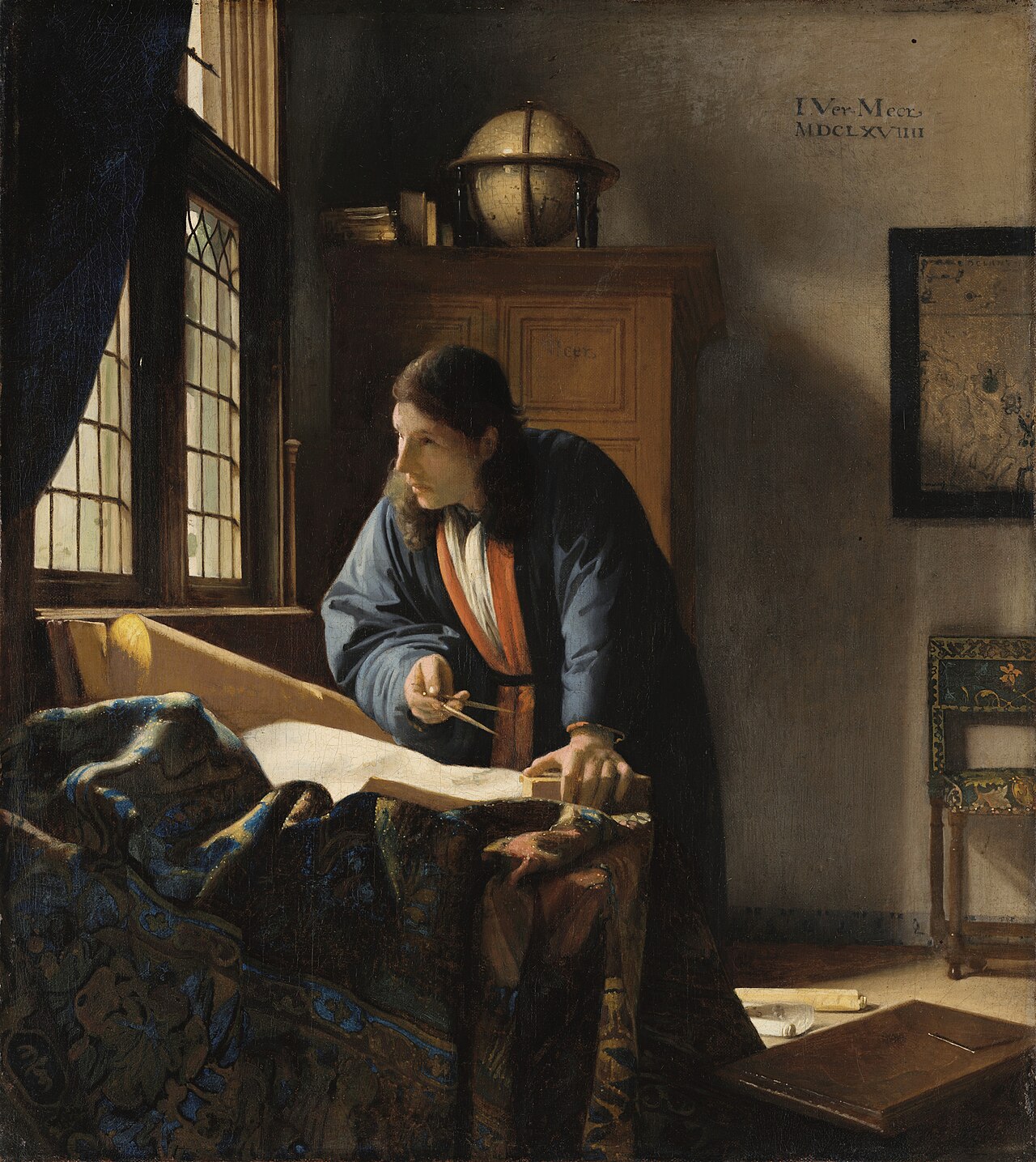
in these days of vertigo, when the world seems to go mad with every gunshot, and even open books are grasping mouths waiting for impure truths to be spoken through them, I return to Vermeer’s silent paintings: to the milkmaid pouring the white unhurriedly, imbued with grace; to the geographer who, through the panes of glass, discerns the inexact place of thought; to the girl reading the mysterious letter, in which she may be shown a certain love, not delicate like a poem, but in the hardness of verbs that do not hide in grammar and instead strip themselves bare in living gestures, difficult and unfeigned
One of Herberto Helder’s most celebrated poems begins: “Amo devagar os amigos que são tristes com cinco dedos de cada lado” / “I love slowly the friends who are sad, with five fingers on each side” (“Aos Amigos,” Poemacto, 1961). Nothing gives itself to us—or gives us so deeply to others—as our hands do. The touch of hands trains our feelings, soothes the wretched, supports the powerless, opens places of refuge and hope to strangers and wanderers, draws in both the different and the familiar, seals pacts, builds bridges, and writes the essential words that the future will allow to take root.
On their skin, in the varied form of the fingers (as though the blessed difference of size and function made them inseparable creators of life), in the beauty of the nails, in the small blue threads of blood running to the tiniest venules and arterioles, in the lines where their phalanges bend and the full shell of their bones closes—there lies a science of fire.
By this science of fire I mean the gift we all possess (and so often refuse): the gift of loving, even in shadow, even in silence, on the humble scale of those who bring forth not injury but a poem, not hatred but friendship, not a hostile fist but an open and willing hand.
Herberto ends his poem with prophetic lines: “– Temos um talento doloroso e obscuro. / Construímos um lugar de silêncio. / De paixão.” / “– We have a painful and obscure talent. / We build a place of silence. / Of passion.” The world of men will only be saved when they understand what their hands are for—when they love the sad ones who keep them open, with five fingers on each side.