.
The world exasperates. A latent brutality thrums within it, undoing the stubborn innocence of things, and making ever murkier the divination of times that shall outlive us. We know History swings, endlessly, between seasons of peace and seasons of war, between ages of brilliance and ages of barbarity, between hours of human grandeur and hours of atrocious pillage. If we return to the 1980s, we recall the searing images of Biafra, of Ethiopia—the solidarity campaigns that gathered the world against hunger. We recall the fall of the Berlin Wall, the dawn of democracy in countries once shackled by Soviet rule. We recall Mandela’s release, the silencing of guns in Northern Ireland. A time, perhaps, when free thought was loosening its chains, when democracy and the rights of the unheard began, however briefly, to hold.
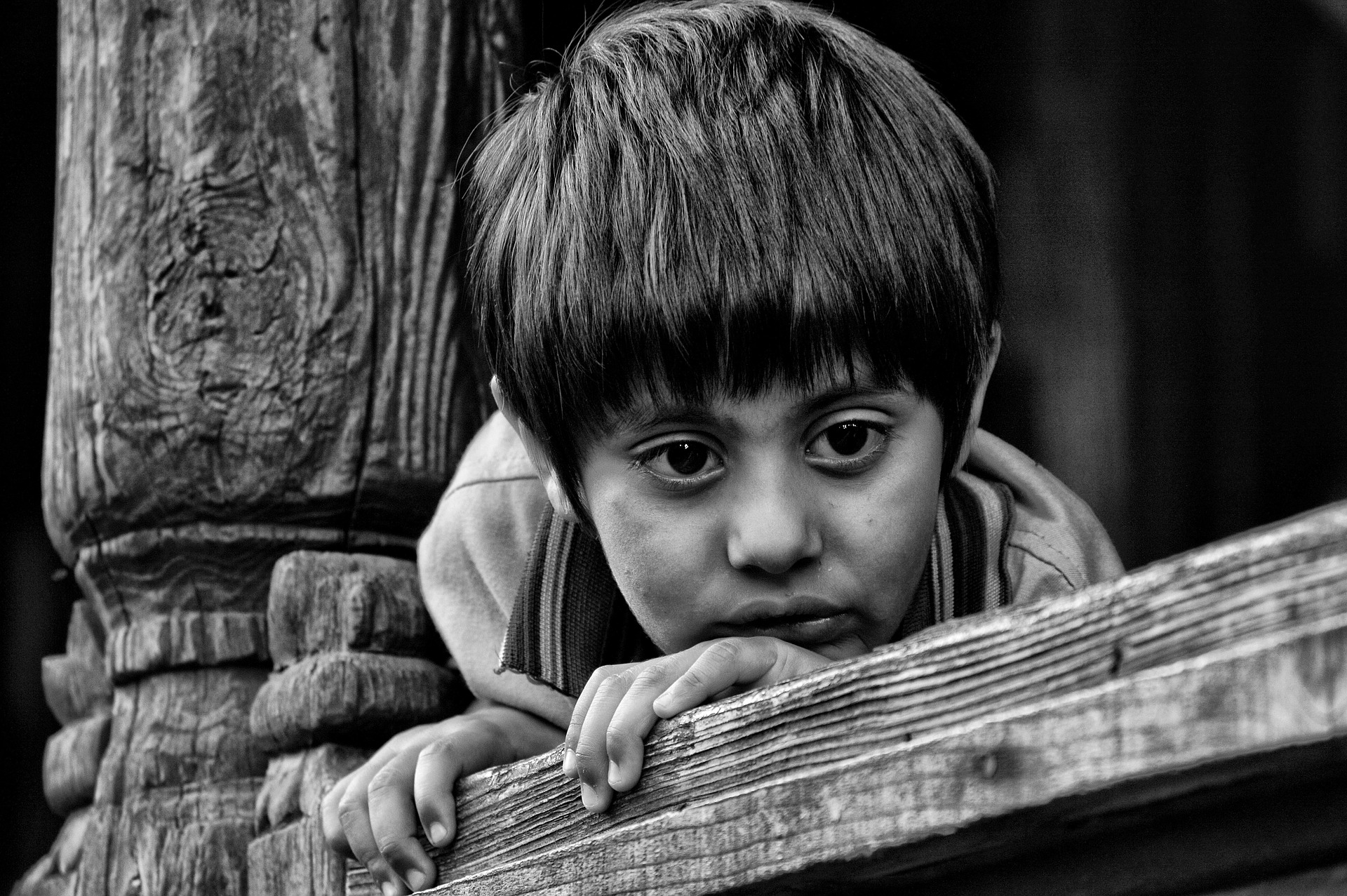
But the world is once again turned inside out by the same old forces—those who forever gnaw after wealth, after power, after dominion. One wave of hope gives way to another of grim despair. I think of the children in Gaza, in Ukraine, in that half of the world left wrinkled and worn, enslaved by the relentless sprawl of multinationals. It is hard to believe that a handful of words could matter—and that, too, exasperates.
And still, in these places seemingly abandoned by God—long since forsaken by humanity—there remains a force, faint but unyielding, that drives us to persist. A kind of breath of truth threads its way through the sulphur and phosphorus of falling bombs, compelling us to resist. Resistance itself exasperates. As though some hidden covenant between the last flickers of moral conscience and justice, poetry and the sheer passion for life, shame and a whisper of prayer were urging us to rise—to face the impious cries of tyrants, and the colluding silence of nations that call themselves free. I think of the children of Gaza, starving. The children stolen from Ukraine. The children of Yemen, Sudan, Venezuela. The ones who drown off Lampedusa and Tenerife. The ones who toil from dawn till dark in Bangladesh, in India, in countless places lost to maps. The ones ruled by the Taliban, by mafias, by the degenerate hands of men who harm them. I know that words do not console. Nor do donations (for ten years now I’ve given one to UNICEF on this day). Both are drops in the sea. But I must not forget. I need, as Pedro-Daniel Névio once wrote, to “place a blue thistle in the space left by the stolen heart.”
Perhaps that is the invisible, stubborn force—the one that, beneath the fingernails of the few (and of many more), moves mountains.

