The old man gathered every matchstick he could find. At first they took him for one of those model builders of castles and ships. But no one ever saw him create anything, not a single piece, and so, in time, they began to see him as a madman.
The small, burnt sticks give a beautiful sense of what our life is and what our death is. Some lose their heads easily, others keep their full ashen heads and charred bodies. When joined with patience and calm, they form palisades, bridges, rafts between the realm of the living and the realm of the dead. They resemble poems written to last a miraculous instant and a forever tinged with sorrow. One must understand them.
In December, when the days fade earlier, just before Christmas, they found the old man dead at home. He lay stretched on the floor, inside a gigantic cage made of thousands and thousands of those enchanting fragments of burnt wood. It was a poor mausoleum.
Whether it sheltered him or held him captive, no one has ever managed to understand from what, or why.
One of Herberto Helder’s most celebrated poems begins: “Amo devagar os amigos que são tristes com cinco dedos de cada lado” / “I love slowly the friends who are sad, with five fingers on each side” (“Aos Amigos,” Poemacto, 1961). Nothing gives itself to us—or gives us so deeply to others—as our hands do. The touch of hands trains our feelings, soothes the wretched, supports the powerless, opens places of refuge and hope to strangers and wanderers, draws in both the different and the familiar, seals pacts, builds bridges, and writes the essential words that the future will allow to take root.
On their skin, in the varied form of the fingers (as though the blessed difference of size and function made them inseparable creators of life), in the beauty of the nails, in the small blue threads of blood running to the tiniest venules and arterioles, in the lines where their phalanges bend and the full shell of their bones closes—there lies a science of fire.
By this science of fire I mean the gift we all possess (and so often refuse): the gift of loving, even in shadow, even in silence, on the humble scale of those who bring forth not injury but a poem, not hatred but friendship, not a hostile fist but an open and willing hand.
Herberto ends his poem with prophetic lines: “– Temos um talento doloroso e obscuro. / Construímos um lugar de silêncio. / De paixão.” / “– We have a painful and obscure talent. / We build a place of silence. / Of passion.” The world of men will only be saved when they understand what their hands are for—when they love the sad ones who keep them open, with five fingers on each side.
Suddenly I grasp the bestiality of humankind as I never had in nearly half a century of life. What is desecrated is the commonplace, the place of others, one’s own place. Each person becomes a latent enemy, a possible hatred, a quarrel, an insult, an act of aggression, a predatory gesture. I see how easily someone is wounded—without cause, without reason, without any concern for what each act is or signifies: a driver abandons his car to raise a violent arm against the one behind him; a ten-year-old hurls a death threat in class, at a fellow pupil or at the teacher; a patient dies on a hospital stretcher before the very eyes of the doctor meant to heal him; a president slanders and divides his people, scorning the oath sworn upon the Bible; a once-decimated nation commits mass murder, justifying force with the cowardly, hypocritical justice it claims to inherit. And suddenly I realize that the clear sun spilling across the windowsill and the blank page of my notebook is impure, unbearable.
I turn to Johann Sebastian Bach as a leper to his refuge. I turn to childhood, to the memory of good friends, of the idyllic walks to primary school, of the ancestral scent of herbs along the streams. I turn to the rigor of colors, the unequivocal weight of words, the care of nails, the truth in the eyes. Then, there was an immeasurable sense of hope. I learned to respect, to give thanks, to be gentle, to cultivate humor, to cherish the rare, beautiful objects given to me, to read books with delicate care, to press my spirit into the considered phrases I was asked to set down—one after another—in school compositions and in dialogue of subtlety. I turn to silence to remember all of this, to listen to the guitar suites, to step away from the noisy patina the days secrete.
The other day a student asked how I find inspiration. For an instant a banality hovered on my lips, a cliché, a ready-made reply. We were in a long room lined with state-of-the-art computers, breathing the air steeped in cables and devices. We were speaking of António Vieira, and of the courage to preach on the edge of the abyss. «I don’t know», «I never knew». That is the certainty. Inspiration—like opening one’s chest to the clean October air, brushing against dew, against the bright green of fennel and lemon verbena—I cannot explain it. Unless, perhaps, as a vast nostalgia, a melancholy urge to reinvent the days backwards, as when the pencil snapped along the nervous line and I thought «this is not the way». Suddenly humanity crumbles on the page, swollen with stupidity and perverse pride. And it is necessary that someone say «this is not the way».
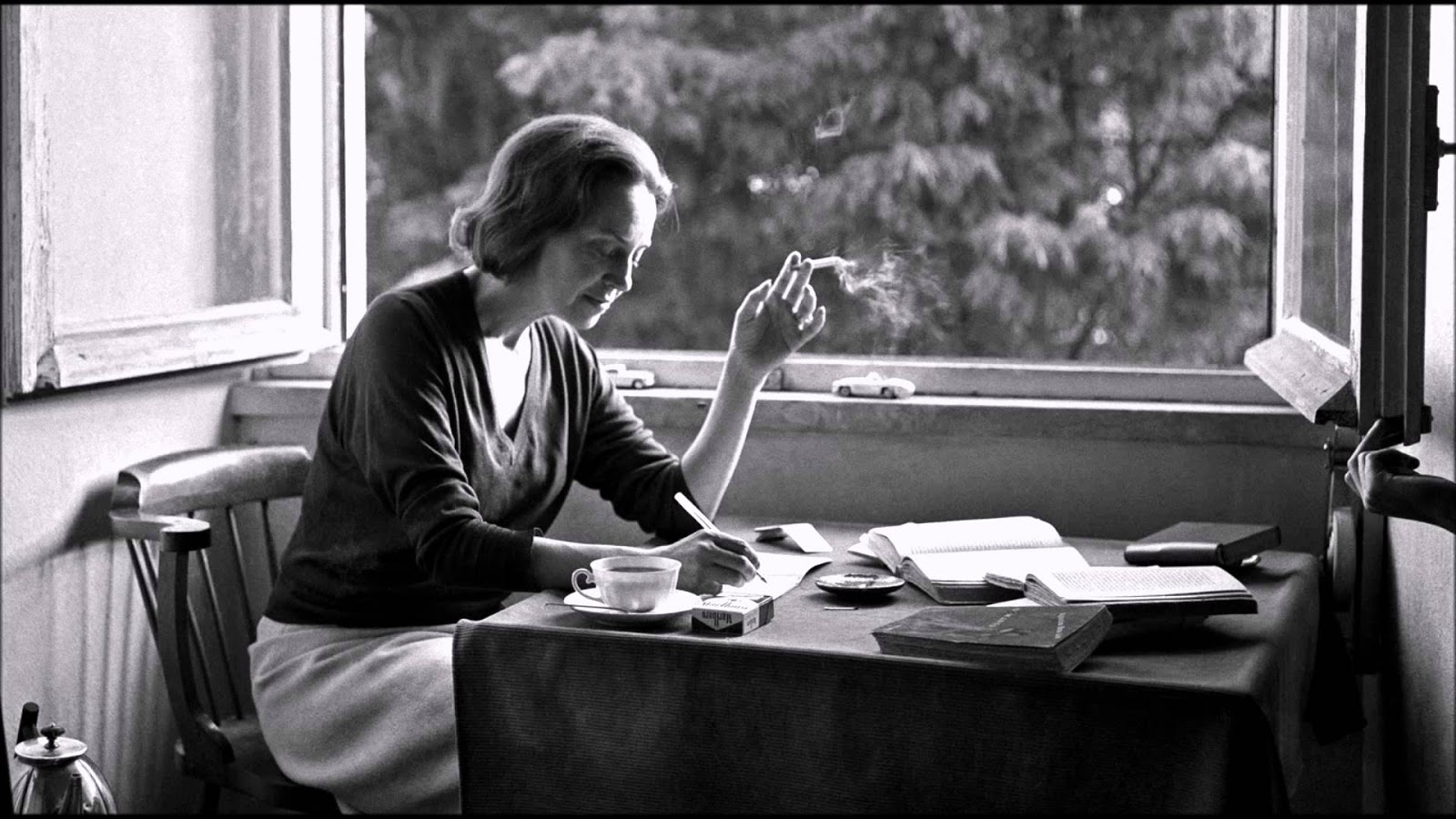
Sophia de Mello Breyner Andresen photographed by Eduardo Gageiro
.
In one of the poems of No Tempo Dividido, Sophia de Mello Breyner Andresen writes, in the manner of an inscription: “Que no largo mar azul se perca o vento / E nossa seja a nossa própria imagem” — “That in the wide blue sea the wind be lost / And ours be our own image.”
The pelagic world was for the poet, as is commonly known, a demiurgic, almost religious space, from which emerged her creative force, her fascination with ancient time (which was equally her fascination with the inscrutable future), but also her most personal delight in the peoples who, having sailed those seas of a remote past (the Greeks, in particular), bequeathed to us their art, their beauty, their nude, and within them (as in Heidegger’s ontology) our destiny.
Sophia’s poems are, without exception, exercises in incomparable lapidary art. We read them today under the relative oblivion to which every work is consigned after the death of its author. Yet for this very reason we rediscover them as more vehement, more marvellously sculpted, more true. We read them as an extension of ourselves, as though seated on a garden bench among the twisted trunks of giant trees (like these metrosideros in Foz do Douro), the wide blue sea before us seemed more real, and our own spirit wandered amid those waves and the scent of the sea breeze, while between the seated body and the wandering spirit there existed something unnameable. Something like our own image, doubly beheld in the mirror.
Om João Ricardo Lopes kan man sige både meget og ganske lidt. Han er en af de overraskende litterære og poetiske stemmer, der spirer frem fra det gamle Portugal – landet med Camões, Pessoa og Eça de Queirós. Han blev født på årets længste dag i 1977, på en fødeklinik ved siden af den middelalderlige borg i Guimarães, en af landets smukkeste byer.
Når man beskriver forfattere, nævnes ofte den akademiske baggrund: João Ricardo Lopes studerede Moderne Sprog og Litteratur ved Det Humanistiske Fakultet på Universitetet i Porto og tog efterfølgende en postgraduering i Litteraturteori ved Minho Universitet. Han var en fremragende studerende og modtog et stipendium fra den prestigefyldte Calouste Gulbenkian Fond. I dag virker han som underviser i portugisisk sprog og litteratur, kursusholder, blogger, politisk aktivist, kulturformidler, litteraturkritiker – og som en produktiv forfatter af poesi, kortprosa, essays og journalistiske klummer.
Hans poetiske stemme – dokumenteret i syv værker udgivet mellem 2001 og 2022 og belønnet med flere nationale priser – lader sig ikke let rubricere: den er lyrisk og samtidig satirisk, præget af en stærk åndelighed, hvor mennesket spejles i kosmos, men også vildfaren i byens gader og åbne pladser, hvor digteren strejfer. Poesien fremstår ofte som fragmentarisk eller brudt, og den kalder på en aktiv læser, som er villig til at læse mellem linjerne. Dens prosa og noveller føles som forgreninger af det lyriske udtryk.
I et af de få interviews, han har givet – til det online tidsskrift Novos Livros – erklærer han sin kærlighed til stilhed og lys og afviser offentlig eksponering: »Jeg havde (og har stadig) brug for fred, stilhed, trøst, harmoni, mening, tilgivelse.«
I februar i år besøgte vi João Ricardo Lopes i hans hjem. Vi blev dybt imponerede over hans enorme bibliotek og hans indgående kendskab til dansk poesi – han reciterede uden tøven passager af Erik Knudsen, Inger Christensen og Pia Tafdrup.
•
DESCARTES
efter drømmene og det første vand,
efter den redte seng og kroppen tilhyllet i tanker,
efter de morgendlige sysler, hvis opregning ville være trættende og omskiftelig,
er den første kop kaffe en form for gud,
kosmos, der hengiver sig i blodets strøm,
din sjæl livsalig, og alle de skønne og prægtige metaforer
– dunkle og svulmende –
hvisker cogito, ergo sum
(Originalt, upubliceret digt)
.
DESCARTES
depois dos sonhos e da primeiro água,
depois da cama feita e do corpo ataviado nos pensamentos,
depois das coisas matinais cuja enumeração seria fastidiosa e variável,
a primeira xícara de café é uma forma de deus,
o cosmos a espojar-se no sangue,
a tua alma álacre e todas as belas e magníficas metáforas
– negras e cheias –
a sussurrar cogito, ergo sum
(Poema original)
.
•
DENNE MORGEN STILHEDEN
denne morgen steg stilheden op ad væggene og spærene,
den kravlede over bjælkerne, de høje spind, de isnende gesimser
og gennemtrængte stenen, cementen, revnerne, selve luften
jeg er nu hele mit liv, min skæbne
og huset skælvede
og ordene – frossent jern –
sved i hænderne
Fra Em Nome da Luz (2022)
.
ESTA MANHÃ O SILÊNCIO
esta manhã o silêncio subiu pelas paredes e pelas asnas,
trepou as travincas, as teias altas, as cérceas geladas
e atravessou a pedra, o cimento, as fissuras, o próprio ar
sou agora toda a minha vida, o meu destino
e a casa estremeceu
e as palavras – ferro congelado –
doeram nas mãos
De Em Nome da Luz (2022)
.
•
STUDIE AF SOLLYS, VILHELM HAMMERSHØI (1906)
lyset befrier os ikke fra legemet,
indleder ikke et rum,
overtræder ingen ornamentale regler
lyset er et verbum.
det løber over bordene,
åbner gennem glasset på ordenes bagside
og det gør ondt
Fra Em Nome da Luz (2022)
.
ESTUDO DA LUZ SOLAR, VILHELM HAMMERSHØI (1906)
a luz não nos liberta do corpo,
não inculca um espaço,
não infringe nenhuma regra ornamental
a luz é um verbo.
corre sobre as mesas,
abre pelo vidro sobre o reverso das palavras
e dói
De Em Nome da Luz (2022)
.
•
SIGØJNERNES ILD
til Catarina
.
i det sydlige Lanzarote, nær Playa Blanca,
et sted de kalder Los Charcones,
så jeg det, der mest af alt på jorden
ligner månen
landskabet er dækket af pyroklaster, hård aske,
støv.
intet overlever her, undtagen den lave vortemælk
og enkelte slags firben
men om natten fyldes denne ørken med bål,
små flammer spredt
mellem mure og telte
man forklarer: det er sigøjnernes ild,
ingen ved hvor de kommer fra eller hvorhen de rejser.
og jeg siger: velsignet være de, for de findes
Fra Em Nome da Luz (2022)
.
•
O LUME DOS CIGANOS
para a Catarina
.
no sul de Lanzarote, perto de Playa Blanca,
num lugar a que chamam Los Charcones,
vi o mais parecido que há na terra
com a lua
a paisagem cobre-se de piroclastos, de cinza dura,
de pó.
nada aqui sobrevive, exceto a rasteira eufórbia
e uma ou outra espécie de lagarto
mas à noite este deserto enche-se de fogueiras,
de pequenas labaredas dispersas
entre muros e tendas
explicam é o lume dos ciganos,
ninguém sabe de onde vêm ou para onde partem.
e eu digo abençoados sejam, porque existem
De Em Nome da Luz (2022)
.
•
AT SKRIVE VAR FOR OS EN FORM FOR BLOD
alt kunne bruges til at skrive med:
afkølede gløder, giftige bær fra farveris,
tagstykker, sæbespåner, spyt
på den tid udskelnede vi ikke
mellem metaforer
og råt sprog.
ordene vejede tungt, berusede af lys
man skrev i jorden i dag
og det var en cykel,
man tegnede sult i luften med en finger
og fuglene dalede ned til murene
fyldt med sol
ordene var endnu ikke poesi,
kun en hvislende frem-og-tilbage af urter,
af højtidelige, karske og grønne siv
at skrive var for os en form for blod
og ikke engang det vidste vi,
ikke engang det
Fra Em Nome da Luz (2022)
.
ESCREVER ERA PARA NÓS UMA FORMA DE SANGUE
tudo servia para escrever:
tições arrefecidos, bagas venenosas de tintureira,
bocados de telha, aparas de sabão, cuspo
nessa altura indistinguíamos metáforas
e linguagem crua.
as palavras pesavam, bêbedas de luz
escrevia-se na terra hoje
e era uma bicicleta,
desenhava-se com o dedo no ar fome
e os pássaros desciam aos muros
cheios de sol
as palavras não eram ainda poesia,
somente um vaivém rumorejante de ervas,
de cálamos solenes, castos e verdes
escrever era para nós uma forma de sangue
e nem isso sabíamos,
nem isso
De Em Nome da Luz (2022)
.
•
SONATE NR. 2, SCHERZO, CHOPIN
du stiger op af vandet som én
der stadig tror
at verden kan frelses
du studerer stilheden som arret
der bliver tilbage
efter nederlaget
og du smiler
tiden er et stort utrætteligt klaver.
du vil se
Fra Em Nome da Luz (2022)
.
SONATA N.º 2, SCHERZO, CHOPIN
emerges da água como quem acredita
que o mundo pode ainda ser salvo
estudas o silêncio como a cicatriz
que nos fica do fracasso
e sorris
o tempo é um grande piano incansável.
verás
De Em Nome da Luz (2021)
.
•
SOLSTICE PÅ KRETA, KNOSSOSPALADSET
vi vil for evigt elske dette klare lys på Kreta
som i Minos’ palads oplyser fiskene og tyren
og alle de former som vores labyrintiske
tilværelse har indespærret
blændede eller blinde ser vi endnu som farveskygger
stenenes hvidhed, pompejrødt,
freskoernes cyanblå, sennepsgul,
de citrusorange ansigter og kroppe,
og amforernes okkerfarve, løftet i ofring til guderne
måske kan tiden (som man spytter bitre kerner ud)
spytte os bort,
men vi så livet, og for et urgammelt
mirakel
takker vi solen for denne dag
Fra Eutrapelia (2021)
.
SOLSTÍCIO EM CRETA, PALÁCIO DE CNOSSOS
amaremos para sempre essa luz límpida de Creta
que no palácio de Minos os peixes ilumina e o touro
e todas as formas que a nossa existência labiríntica
aprisionou
ofuscados ou cegos, vemos ainda como sombras cromáticas
o branco das pedras, o vermelho-pompeia,
o azul ciano dos afrescos, o amarelo-mostarda,
o laranja cítrico dos rostos e dos corpos,
o ocre das ânforas erguidas em oferecimento aos deuses
pode o tempo (como se faz a pevides amargas) cuspir-nos,
mas nós vimos a vida e a um milagre
antiquíssimo
agradecemos o sol deste dia
De Eutrapelia (2021)
.
•
STILLEBEN MED HVEDE, DRUER OG PRÆDIKEREN
Un domingo, un cuaderno, unos versos. Nunca, nada y nadie son lo mismo.
José Ángel Cilleruelo
.
du lagde over alt den vågne duft af bøger,
denne rastløse aroma som åbner
vores næsebor
og mildner den uudholdelige stilleben
søndag eftermiddag
hvis vi malede vores eget portræt,
ville detaljerne mangle,
det modnede kornlys, fugtigt af vin,
som Bruegel eller Rembrandt
sikkert ville lade os ældes i
i os, som i bøgerne, findes den uovervindelige
nostalgi efter tiden.
derfor vandrer vi rundt i byen, blandt gamle antikvariater,
og beder om en bod der ikke findes,
elsker en tilgivelse som ikke bedes om
Fra Eutrapelia (2021)
.
NATUREZA MORTA COM TRIGO, UVAS E O ECLESIASTES
Un domingo, un cuaderno, unos versos. Nunca, nada y nadie son lo mismo.
José Ángel Cilleruelo
.
sobrepunhas a tudo o cheiro atento dos livros,
esse inquieto aroma que nos abre
as narinas
e nos adoça a insuportável natureza morta
dos domingos à tarde
se pintássemos o retrato de nós mesmos,
faltariam os pormenores,
a luz madura de cereal, húmida de vinho,
em que nos envelheceriam por certo
Bruegel ou Rembrandt
em nós, como nos livros, existe a insuperável
nostalgia do tempo.
por isso deambulamos pela cidade, entre velhos alfarrabistas,
pedindo uma penitência que não existe,
amando um perdão que se não pede
De Eutrapelia (2021)
.
•
STERCUS IN ORE
de gamle lagde ekskrementer
i munden på angivere, på løgnere,
på dem der tog bagtalelse for noget godt
og spandt katastrofer
man kan ikke forestille sig noget værre
end dette:
en tunge besudlet
af andres afføring,
magten i en troløs,
lumsk, giftig mund,
i stand til at føre nogen mod døden
eller – to skridt derfra –
mod helvede
sandheden er et vanvittigt vers
skrev Bukowski.
men hvad er sandhed?
Fra Eutrapelia (2021)
.
STERCUS IN ORE
os antigos punham dejetos
na boca dos delatores, dos mentirosos,
dos que tomando a calúnia por bem
urdiam catástrofes
não se imagina coisa pior
do que isto,
do que a língua maculada
pelas fezes alheias,
do que o poder de uma boca pérfida,
insidiosa, viperina,
capaz de conduzir à morte
ou – a dois passos dela –
ao inferno
a verdade é um verso doido
escreveu Bukowski.
mas o que é a verdade?
De Eutrapelia (2021)
.
•
UNDER
det er muligt at pløje vinden,
at opløse den i mennesker, landskaber, frugter fra en sen årstid,
det er muligt at bringe ind i tåren
den fine brise fra visse vintereftermiddage,
når gardinerne blafrer i vinduet
og en verden pludselig afbrydes
engang skrev jeg sorgen kan være meget smuk og også det er en form for trøst
det er muligt at høre stenens hjerte banke,
at kende verden gennem fingrenes forvirrede linjer,
at vågne til ilden eller sove på vandet
den gang skrev jeg også du vidste mange ting, morfar. ingen som du elskede undernes uvished
Fra Eutrapelia (2021)
.
PRODÍGIOS
é possível arar o vento,
decompô-lo em pessoas, paisagens, frutos de uma estação tardia,
é possível trazer para dentro da lágrima
a subtil viração de certas tardes de inverno,
quando à janela as cortinas esvoaçam
e se descobre um mundo subitamente interrompido
uma vez escrevi a tristeza pode ser muito bela e também isso é uma forma de consolo
é possível ouvir o coração da pedra palpitar,
conhecer o mundo no desenho confuso dos dedos,
acordar para o fogo ou dormir sobre as águas
dessa vez também escrevi muitas coisas tu sabias, avô. ninguém como tu amava a incerteza dos prodígios
De Eutrapelia (2021)
.
•
GAMLE SAGER
jeg steg ned i helvede, til det samme endeløse rige
af de korte og glemte, til det samme
stilhedens rum mellem bjælkerne, til en bunke minder
som ingen længere kan forstå:
den samme blinkende lommelygte med lang rækkevidde
det samme mørke der oplyser spindelvæv
det samme gamle skakspil uden tårne
den nedlagte jernbaneskinne
lyset stiger som alkohol når hænderne genfinder
den gamle plyskanin fra nittenhundrede og
halvfems nætter godt sovet og tørre
en frygtelig våben er lommelygten, den åbner sprækker
som knive gør når de åbner sprækker
og bjælkernes knagen tier
og stilheden er en brønd der snurrer i årerne
loftet er farligt på denne måde – det er de kortes og
glemtes sted. man stiger op, og så vender man tilbage
uden hast, til de levendes verden.
det brænder, ja. tårenes spiritus er ren alkohol
Fra Reflexões à Boca de Cena / Onstage Reflections (2011)
.
VELHARIAS
subi aos infernos, ao mesmo reino sem fim
dos breves e esquecidos, ao mesmo
silêncio das traves, a um ror de memórias que
ninguém mais pode entender:
a mesma lanterna intermitente, de longo alcance
as mesmas trevas alumiando teias de aranha
o mesmo velho jogo de xadrez sem as torres
a pista de comboio desmantelada
a luz sobe como álcool quando as mãos repossuem
o velho coelho de peluche de mil novecentas e
noventa noites bem dormidas e enxutas
é uma arma terrível a lanterna, abre fissuras
como fazem as facas quando abrem fissuras
e os estalidos das traves calam-se e
o silêncio é um poço rodopiando nas veias
o sótão é perigosamente isto, o lugar dos breves e
esquecidos. sobe-se e depois regressa-se outra vez
sem pressa ao mundo dos vivos.
queima-nos, sim. o etílico das lágrimas é álcool puro
De Reflexões à Boca de Cena / Onstage Reflections (2011)
.
•
HURTIGT OG SMERTEFRIT
hurtigt og smertefrit skærer en vindens klinge
mit hoved af. og bagefter?
bagefter fortsætter hjertet i sin stædige sorg.
kan man le af det?
jo, det kan man – en drukkenbolt med tungen ude,
halvt begravet i lokker af margueritter
og kommunale geranier.
elsker jeg dig?
hvilket fanden til spørgsmål er det.
hundene roder rundt i natten, vender den på vrangen, men
de vil åbenbart ikke blande sig i
så rene klinger, blodige af
minde.
se hvordan vinden i os vækker en vanvidsflamme
af blågyldent skær.
ikke ét sekund i mit liv har jeg tvivlet på det.
aldrig, min elskede
Fra Reflexões à Boca de Cena / Onstage Reflections (2011)
.
RÁPIDA E INDOLOR
rápida e indolor uma espada de vento
corta-me a cabeça. e depois?
depois o coração continua no seu dolo obstinado.
dá para rir?
dá sim, um borrachão com a língua de fora,
meio enterrado em madeixas de malmequeres
e gerânios municipais.
se te amo?
mas que raio de pergunta essa.
os cães vasculham a noite, voltam-na do avesso, mas
não hão de intrometer-se, está visto, em
lâminas tão limpas assim, ensanguentadas de
memória.
vê como o vento em nós acorda uma loucura
de labareda azuldourada.
nunca por um segundo da minha vida o duvidei.
nunca, meu bem
De Reflexões à Boca de Cena / Onstage Reflections (2011)
.
•
AFTNER
aftner
måske er du havet
og jeg glider ned ad de blå
ben på din krop
som ildkuglen, der trænger længere og længere ind
i de alt for mange linjer i kladden
eller i oceanets
hemmelige muskler
Fra A Pedra Que Chora Como Palavras (2001)
.
ANOITECE
anoitece
talvez sejas o mar
e eu vá descendo pelas pernas
azuis do teu corpo
como a bola de fogo que se introduz mais dentro
nas linhas demasiadas do caderno
ou nos recônditos músculos
do oceano
De A Pedra Que Chora Como Palavras (2001)
.
•
ET TØNDE LAND AF NOSTALGI
hvor længe er det siden
jeg har hørt et fuglehjerte?
João Ricardo Lopes ist ein portugiesischer Dichter und Schriftsteller, geboren 1977 in Azurém, im Kreis Guimarães. Sein literarisches Werk umfasst mehrere Bände mit Gedichten, Erzählungen und Chroniken, in denen Themen wie Erinnerung, kindliche Liebe, die Suche nach Stille und innerem Frieden, die Aufwertung kleiner Alltagsgesten sowie eine ständige Reflexion über die Rolle der Kunst und die zerstörerisch-schöpferische Ambivalenz des Menschen besondere Bedeutung haben.
Häufig zitiert er andere Autoren oder tritt mit Malerei, Musik, Kino und Fotografie in einen poetischen Dialog. Seine Kindheit auf dem Bauernhof der mütterlichen Großeltern dient als Leitmotiv seiner Werke, in denen auch seine klassische Ausbildung in Latein und Altgriechisch, seine Liebe zum Journalismus und eine ironische Rückkehr zu historischen Figuren und Epochen ihren Platz finden.
Ein scheuer Autor, der Interviews und öffentliche Auftritte meidet, wurde Lopes mit dem Ary dos Santos Poesie-Förderpreis (2001), dem Maria Irene Lisboa Kurzgeschichtenpreis (2009) und dem Nationalen Poesiepreis der Stadt Fânzeres (2001 und 2022) ausgezeichnet. Seine Bücher, vor allem seine Gedichte, wurden bereits ins Englische, Französische, Spanische, Italienische, Serbokroatische und Armenische übersetzt.
•
EUTRAPELIA
wenn die Tage zu schwer, zu gleichförmig, zu grausam werden, kannst du dich vielleicht erinnern an die herrliche gelbe Kanne, die jedes Jahr neu erblüht im dunkelsten Winkel des Gartens, oder an Epikurs weise Worte, oder an die heiligen Worte des Augustinus, und Schönheit auf andere Weise lieben, oder sie jenseits von Form, Farbe und Alltagsverstand erkennen, sie nicht mehr nach Intensität und Spektakel zu messen, sondern nach dem Guten, das sie dir tut
•
BACH, BITTE!
ich vergesse alles, die klare Angst vor Unreinheiten, vor Schuld, vor Unglücken, vor Reisen, die nie stattfanden, vor flüchtigen Vögeln und Liebschaften, vor dem dunklen Gesicht, das mich im Spiegel verfolgt, vor träumelosen Tagen
mein Herz schrumpft. Bach, bitte!
•
ODYSSEE
(RÜCKKEHR DES ODYSSEUS, DES NARREN)
meine Alte, du hättest nicht so lange warten sollen. ich habe vom Meer diese Blindheit des Tangs und Prostatakrebs mitgebracht, ich habe die Asche mitgebracht, die Nymphen und Sirenen (und die schwarze Spinne von Ogygia) in mir angezündet haben
ich reiste durch all die Betten, die das Mittelmeer umsäumen und weder du noch ich sind schuld oder zu retten
Telemach, noch ein Kind, und doch schon so stark
der Bogen, der mich in die Tiefe schleudert, ist gealtert, an Klippen voller Bussarde und magerer Oliven
unten ist es der Schaum, der mich tötet. habe ich dir gesagt, dass ich sterben will?
so bleib und web weiter, nutzlose Königin! aus Klippen ist das Leben gemacht, zwanzig Jahre Glut nagen bis auf den Knochen und dann – nichts mehr, nur Krankheit, nur diese nackte Insel, nur Erinnerung, die fliegt und fliegt, bis sie versinkt oder jemand aus ihr ein Epos macht, und lügt, lügt, lügt
.
(PENELOPE AN ODYSSEUS)
ehrlich gesagt, ich weiß nicht, ob ich dich liebe: vielleicht liebe ich dich wie die Zicklein, so harmlos zuerst – und dann nicht mehr. vielleicht begehre ich dich im selben Kerker
du steigst mit deinem alten Glöckchen den Hang hinab, ich spüre dich nahen (jetzt demütig, damals nicht), und ich streichle dir den Rücken, zähle die Tage, die noch fehlen (meine Rache, dieser unbestimmte Blitz einer Frau, die ich bin bis ins Innerste), um dir zuzulächeln und dir das Messer in den Nacken zu rammen
•
KIRSCHEN
aus dieser Frucht zieht man Erinnerung an Feuer und Frost, an schleppende Worte und wehklagende Seufzer durch das Haus
meine Großmutter mütterlicherseits wählte die rötesten aus, und ich aß sie mit Maisbrot, sie sagte, das Blut der Kirschen heilt den Schmerz der Alten und legt den Jungen die Traurigkeit ins Herz, weil ihr Fleisch so ungewiss ist wie die Rechnung der Liebe
ich konnte Kirschen nie mögen. wie mit dem Aberglauben, fur den es keinen Bannspruch gibt
ich sehe die Vögel die Bäume stürmen und sie hastig in die Lüfte tragen. vielleicht ist das etwas für Seelen, ich beneide sie nicht um ihre Lust
das Blut, das ihre Schnäbel färbt, scheint mir ein böses Omen: ich weiß – ich weiß nicht wie, aber ich weiß – sie werden bald sterben
•
DIE GERBERA
auch die Gerbera erweitern den Raum und vertiefen ihn, sie gehorchen nichts als dem Kreis und sich selbst. und deshalb sind sie frei und sorgsam. und deshalb von derselben wundersamen Natur wie Honig, wie das Gedicht, oder wie das Blau. ich wollte über das Schweigen schreiben, aber das wisst ihr ja schon
•
KARNEVAL UND FASTENZEIT, NACH BRUEGEL
nehmen wir an, das Leben treibt uns mal nach rechts, mal nach links in diesem Bild von Bruegel, zwingt uns einmal zur strengen Trauer, ein anderes Mal zwingen wir sie zur absurden Anbetung des Lachens
sing, mein Sohn, sing hast du gesagt am Eingang des Vordachs und auch, dass die Apostel der Melancholie unter den Sündern die fanatischsten und furchtbarsten Verdunkler der Sonne sind
•
Übersetzung, Auswahl und Biografie von Anne-Marie Treichel
. João RicardoLopes (Guimarães, 1977) est un écrivain, poète et enseignant portugais. Il est l’auteur d’une œuvre poétique cohérente, composée de sept volumes publiés, auxquels s’ajoutent un recueil de nouvelles et une anthologie de chroniques littéraires. Son travail a été reconnu par d’importants prix nationaux et traduit en plusieurs langues, dont l’anglais, l’espagnol, l’italien et le français.
Sa poésie se distingue par un ton méditatif et interrogatif, souvent centré sur la quête du silence, de la rédemption et de l’énigme de la condition humaine. Éloignée de tout lyrisme ornemental, son écriture s’ancre dans une tension philosophique profonde, avec des échos explicites ou subtils à la pensée de Schopenhauer, Sartre, Camus et Cioran. Malgré la profondeur de sa réflexion, sa poésie n’est pas exempte d’une subtile pointe d’ironie et d’humour, apportant une légèreté inattendue à ses interrogations.
Lopes entretient également un dialogue constant avec d’autres formes artistiques, en particulier la musique et la peinture, qui jouent un rôle structurant dans sa vision poétique. Cette inclination interdisciplinaire se reflète aussi dans son activité critique et essayistique, souvent attentive aux croisements entre le mot, l’image et le son.
Il vit et travaille à Fafe, dans le nord du Portugal, où il enseigne la langue et la littérature portugaises. Son engagement éducatif accompagne depuis des années une réflexion éthique et esthétique sur la fonction de la poésie dans le monde contemporain.
•
À L’INTÉRIEUR DU SILENCE
tu poses le livre sur ton nez pour en respirer l’odeur du papier.
puis tu balbuties des choses indéfinies,
tu te souviens des jeunes filles peintes par Vermeer,
tu absorbes, par les fentes de la maison, comme elles,
l’amour des lettres
tu as trouvé l’intérieur du silence,
cet instant de tarlatane, ou de soie, ou de satin,
où tu ressens dans les choses la tiédeur
que les doigts enveloppent
puis tes lèvres tremblent un peu,
tu dis rien n’est aussi pur,
tu observes, comme une débutante, la promesse du soleil sur l’appui de la fenêtre
et c’est comme si tu rentrais dans un rêve
tu es à l’intérieur de toi.
tu ne sais comment
Extrait du livre Em Nome da Luz (2022)
.
NO INTERIOR DO SILÊNCIO
depões o livro sobre o nariz para aspirar-lhe o cheiro do papel.
depois balbucias coisas indefinidas,
lembras-te das raparigas pintadas por Vermeer,
absorves pelos vãos da casa, como elas,
o amor das cartas
encontraste o interior do silêncio,
esse instante de tarlatana, ou de seda, ou de cetim,
em que sentes nas coisas a calidez
que os dedos cobrem
depois tremem-te um pouco os lábios,
dizes nada é tão puro,
observas, como debutante, a promessa do sol no parapeito
e é como se reentrasses num sonho
estás no interior de ti.
não sabes como
De Em Nome da Luz (2022)
.
•
À CINQUANTE ANS
à cinquante ans, on ne se trompe plus sur la qualité d’un poème,
ni sur l’amour d’une femme.
à cinquante ans, règne dans ce que l’on fait
la lumière fixe d’une lampe
on impose des règles :
écouter en voiture Mingus, Davis, Coltrane,
ne lire que Borges et au-delà,
partir,
choisir bien ses ennemis, oublier les médiocres,
écouter le dentiste, promettre à la famille,
entretenir l’espérance
à cinquante ans, la lumière ne voile ni ne révèle,
elle est seulement un lieu vers lequel on va
quand aucun autre ne suffit –
on habite les heures, car le temps aussi
est un lieu où l’on dépose le corps
à cinquante ans, un seul vers parfois suffit.
c’est presque toujours lui qui nous sauve
Extrait du livre Em Nome da Luz (2022)
.
AOS CINQUENTA
aos cinquenta já não se confunde a qualidade de um poema,
ou o amor de uma mulher.
aos cinquenta impera nas coisas que fazemos
a luz fixa de uma lâmpada
impomos regras:
ouvir no carro Mingus, Davis, Coltrane,
ler somente de Borges para cima,
ir,
escolher bem os inimigos, esquecer os medíocres,
ouvir o dentista, prometer à família,
acalentar a esperança
aos cinquenta a luz não tapa nem destapa,
é somente um lugar aonde se vai
quando nenhum sítio é capaz
– moramos nas horas, porque também o tempo
é um lugar onde deixamos o corpo
aos cinquenta um só verso às vezes basta.
quase sempre é ele que nos salva
De Em Nome da Luz (2022)
.
•
AU NOM DE LA LUMIÈRE
pardonne, pardonne tout.
au nom des matins frais,
des jours brûlants, au nom des herbes
qui ne sont qu’herbes, mais valent
ton poème, au nom des voix immaculées
des oiseaux qui s’emparent de la terre,
au nom de la lumière
pardonne. pardonne tout
Extrait du livre Em Nome da Luz (2022)
.
EM NOME DA LUZ
perdoa, perdoa tudo.
em nome das manhãs frescas
dos dias quentes, em nome das ervas
que são ervas, mas valem
o teu poema, em nome das prístinas vozes
dos pássaros que se assenhoreiam da terra,
em nome da luz
perdoa. perdoa tudo
De Em Nome da Luz (2022)
.
•
ROSES ÉCARLATES, AGAPANTHES AZUR
rien de plus beau à cette heure
que le l’écarlate des roses,
que les agapanthes azur sur la terre
rien de plus sublime
que le brouillard très bref
qui précède les choses et annonce l’été
cet instant
où la lumière tombe plus dense et la route tourne
et les grilles soutiennent la petitesse insupportable
du monde
cet instant
où les yeux volent comme des pierres jetées
sans même savoir
de quel côté ils volent
Extrait du livre Eutrapelia (2021)
.
ROSAS VERMELHAS, AGAPANTOS AZUIS
nada mais belo agora
do que o vermelho das rosas,
do que os agapantos azuis sobre a terra
nada mais sublime
do que o nevoeiro brevíssimo
que antecede as coisas e anuncia o verão
esse instante
em que a luz cai mais junta e a estrada roda
e as grades amparam a insuportável pequenez
do mundo
esse instante
em que os olhos voam como pedradas
e não sabem sequer
para que lado voam
De Eutrapelia (2021)
.
•
ORAGE
au moins cela,
les éclairs pataugeant
dans l’espace,
égayant la nuit,
les tonnerres frappant
aux gonds des portes,
l’odeur de la terre sèche
que les doigts de la pluie
soulèvent.
au moins cela,
sentir quelque chose d’éveillé
en nous et pour nous,
comme un vibrato au piano
que quelqu’un joue
à une heure tardive,
juste à temps pour nous sauver
Extrait du livre Eutrapelia (2021)
.
TROVOADA
ao menos isso,
os relâmpagos chafurdando
no espaço,
alegrando a noite,
os trovões percutindo
nos gonzos das portas,
o cheiro da terra seca
que os dedos da chuva
levantam.
ao menos isso,
saber algo acordado
em nós e para nós,
como um vibrato ao piano
que alguém toca
a horas tardias,
mesmo a tempo de nos salvar
De Eutrapelia (2021)
.
•
SOLSTICE EN CRÈTE, PALAIS DE CNOSSOS
à Catarina
.
nous aimerons à jamais cette lumière limpide de Crète
qui, au palais de Minos, éclaire les poissons et le taureau
et toutes les formes que notre existence labyrinthique
a emprisonnées
éblouis ou aveugles, nous voyons encore comme des ombres chromatiques
le blanc des pierres, le rouge pompéien,
le bleu cyan des fresques, le jaune moutarde,
l’orange acidulé des visages et des corps,
l’ocre des amphores dressées en offrande aux dieux
le temps peut (comme on crache les pépins amers) nous rejeter,
mais nous avons vu la vie et à un miracle
très ancien
nous remercions le soleil de ce jour
Extrait du livre Eutrapelia (2021)
.
SOLSTÍCIO EM CRETA, PALÁCIO DE CNOSSOS
para a Catarina
.
amaremos para sempre essa luz límpida de Creta
que no palácio de Minos os peixes ilumina e o touro
e todas as formas que a nossa existência labiríntica
aprisionou
ofuscados ou cegos, vemos ainda como sombras cromáticas
o branco das pedras, o vermelho-pompeia,
o azul ciano dos afrescos, o amarelo-mostarda,
o laranja cítrico dos rostos e dos corpos,
o ocre das ânforas erguidas em oferecimento aos deuses
pode o tempo (como se faz a pevides amargas) cuspir-nos,
mas nós vimos a vida e a um milagre
antiquíssimo
agradecemos o sol deste dia
De Eutrapelia (2021)
.
•
PAVANE, RAVEL
And death is real, and dark, and huge.
John Updike
.
tomber en nous-mêmes
sans bruit
comme tombent sur la terre
les insectes.
rester dans le silence,
pesant la douleur
ou les euphories vaines.
croire à la netteté
des choses,
surtout maintenant
que se comprend
la dimension de l’abîme
Extrait du livre Eutrapleia (2021)
.
PAVANA, RAVEL
And death is real, and dark, and huge.
John Updike
.
cair dentro de nós mesmos
sem rumor
como caem na terra
os insetos.
permanecer no silêncio,
sopesando a dor
ou as vãs euforias.
acreditar na lisura
das coisas,
sobretudo agora
que se compreende
a dimensão do abismo
De Eutrapelia (2021)
.
•
MAISON DES GRANDS-PARENTS
dans les greniers tombait l’air épais de l’après-midi,
la lumière claire et tiède de juin,
parfois les voix, le parfum du chiendent
sur la poussière acide
les grands balais de fibres réveillaient la pénombre
et c’était là la maison, là le temps
aucune vitre ne s’interposait entre nous et les choses.
c’était nous et l’aile des oiseaux,
nous et nous-mêmes
dedans, au sol, à la cave, la terre lévitait
humide et sèche
le bric-à-brac, malgré tous nos soins,
appartenait aux toiles d’araignées sans fin,
à la ferraille, aux pierres du pressoir
la lumière tombait.
c’était là l’enfance, là le temps.
je le jure, c’est encore
Extrait du livre Eutrapelia (2021)
.
CASA DOS AVÓS
dentro das tulhas caía o ar espesso da tarde,
a luz limpa e cálida de junho,
às vezes as vozes, o perfume do joio
sobre a poeira ácida
os vassourões acordavam a penumbra
e era aí a casa, aí o tempo
nenhum vidro se intrometida entre nós e as coisas.
éramos nós e a asa dos pássaros,
nós e nós mesmos
dentro, no chão, na cave, a terra levitava
húmida e seca
o bricabraque, por muito que o limpássemos,
pertencia às infindáveis teias de aranha,
à sucata, às pedras do lagar
a luz caía.
era aí a infância, era aí o tempo.
juro, ainda é
De Eutrapelia (2021)
.
•
PETIT ÉLOGE AUX CITRONS
à Céu
.
je les pèse dans la main, j’en caresse la peau ridée,
la poussière verdâtre reposant dans les volutes de leur
dos.
dans la corbeille, ils sont invariablement le soleil, lumière
que la maison chérit avec joie
le couteau qui les fend en deux se gorge de leur sang
translucide et parfumé – et amer –
et les narines s’emplissent de leur présence vive
et vigoureuse
aucun aliment ne méprise la sécrétion humble
de cet agrume, pas plus que la mémoire
ne dédaigne la voix des vieux maîtres que nous avons eus,
et qui autrefois
nous imposaient la décence inaltérable
du stylo sur le cahier
je dirais que le sang des citrons est candide
et peut-être un peu triste,
mais jamais inoffensif – jamais indifférent
(Poème inédit)
.
PEQUENO ELOGIO AOS LIMÕES
para a Céu
.
sopeso-os na mão, acaricio-lhes a pele enrugada,
o pó-verdete repousando entre as volutas do seu
dorso.
depois na fruteira eles são invariavelmente o sol, luz
que a casa acalenta com prazer
a faca que os corta pela metade enche-se do seu sangue
translúcido e perfumado – e amargo –
e as narinas ventilam a sua presença vívida
e pujante
nenhum alimento desdenha o segregar humilde
deste citrino, como não o faz a memória
à voz de velhos mestres que se tiveram, e que outrora
nos impunham a decência inquebrável
da caneta sobre o caderno
diria que o sangue dos limões é cândido
e talvez um pouco triste,
mas jamais inócuo – jamais indiferente
(Poema inédito)
.
•
LES GINKGO BILOBA D’HIROSHIMA
Pour Tsutomu Yamaguchi, ingénieur naval, le plus célèbre des hibakusha
Pour Akira Hasegawa, professeur, dont le corps et la maison disparurent dans l’air, comme poussière de papillon
.
après la terreur, il fallut nettoyer la ville.
les fonctionnaires impériaux venaient par roulements,
plongeaient les pelles dans les débris poudreux de la pierre,
balayaient la boue d’un côté à l’autre,
entendaient le vent gémir dans les cendres – le pire de tout
c’était ce sifflement du silence, ce crissement du fer sur les cadres sans verre,
dans les ruines des ponts qui dansaient comme des gonds,
dans les têtes qui mouraient plus lentement que les autres organes
les fonctionnaires de l’empire allaient
et venaient en roulements
parfois, ils enlevaient et pressaient leur casquette avec émotion,
conservaient dans de petits sarcophages de cèdre
les squelettes pas entièrement consumés par le grand embrasement
il fallut – il fallut – réapprendre
la carte de la pensée :
là, c’était le zoo, plus loin, l’école primaire,
cela – cette ombre calcinée sur le sol – une femme
avec un enfant dans les bras
parfois, on tombait à genoux à l’endroit précis
qui avait été la cachette purement intacte d’un rite,
d’un baiser, d’un adieu
jamais les mots ne parurent si peu nombreux parmi les décombres,
ni si amers,
ni si déments
des mois durant, se répétèrent le démantèlement, l’oubli,
la poursuite – le pire de tout,
c’était le noyau de la mort,
la manière dont elle ouvrait la gorge
et restait
Ichiro Kawamoto, à qui Philip Levine dédia
un poème puissant, affirma que, au printemps 46,
un miracle eut lieu :
vers la mi-mars, quelque vert détacha sa langue
dans le paysage infernal
– on regardait et voyait des bourgeons surgir des branches brisées
des ginkgos biloba,
renaissaient de petites pointes imprégnées de sève
et cela – pensaient les fonctionnaires de l’empereur –,
cela – pensons-nous – cela voulait dire quelque chose
21.03.2023
(Poème inédit)
.
AS GINGKO BILOBAS DE HIROSHIMA
Para Tsutomu Yamaguchi, engenheiro naval, o mais célebre dos hibakusha
Para Akira Hasegawa, professor, cujos corpo e casa desapareceram pelo ar, como pó de borboletas
.
depois do terror foi preciso limpar a cidade.
os funcionários imperiais vinham em turnos,
metiam as pás nos restos polvorentos da pedra,
varriam a lama de um lado para o outro,
ouviam o vento ganir nas cinzas – o pior de tudo era
este assobio do silêncio, esse guinchar do ferro nas aérolas sem vidro,
nos escombros das pontes que dançavam como dobradiças,
nas cabeças que morriam mais devagar do que os outros órgãos
os funcionários do império iam
e vinham em turnos
às vezes retiravam e apertavam o barrete cheios de comoção,
guardavam em pequenos sarcófagos de cedro
os esqueletos não inteiramente consumidos pelo grande lume
foi preciso – foi preciso – reaprender
o mapa do pensamento:
ali era o zoológico, acolá a escola primária,
aquilo – aquela sombra calcinada no pavimento – uma mulher
com o filho ao colo
às vezes caía-se de joelhos no lugar exato
que havia sido o esconderijo puramente intacto de um rito,
de um beijo, de uma despedida
nunca as palavras se pareceram tão poucas no entulho,
nem tão amargas,
nem tão dementadas
meses a fio repetiu-se o desmantelar, o esquecer,
o prosseguir – o pior de tudo era
o caroço da morte,
o modo como escancarava ela a garganta
e permanecia
Ichiro Kawamoto, a quem Philip Levine dedicou
um poema portentoso, afirmava que na primavera de 46 aconteceu
um milagre:
aí por meados de março, algum verde soltou a língua
na paisagem infernal
– olhávamos e víamos brotos sair dos ramos espedaçados
das gingko bilobas,
renasciam pequenas pontas impregnadas de seiva
e isto – pensavam os funcionários do imperador –,
isto – pensamos nós – isto queria dizer alguma coisa
21.03.2023
(poema inédito)
.
•
Biographie de l’auteur, sélection de textes et traduction par Emma Vousseur et Guillaume Meunier. .