Hands

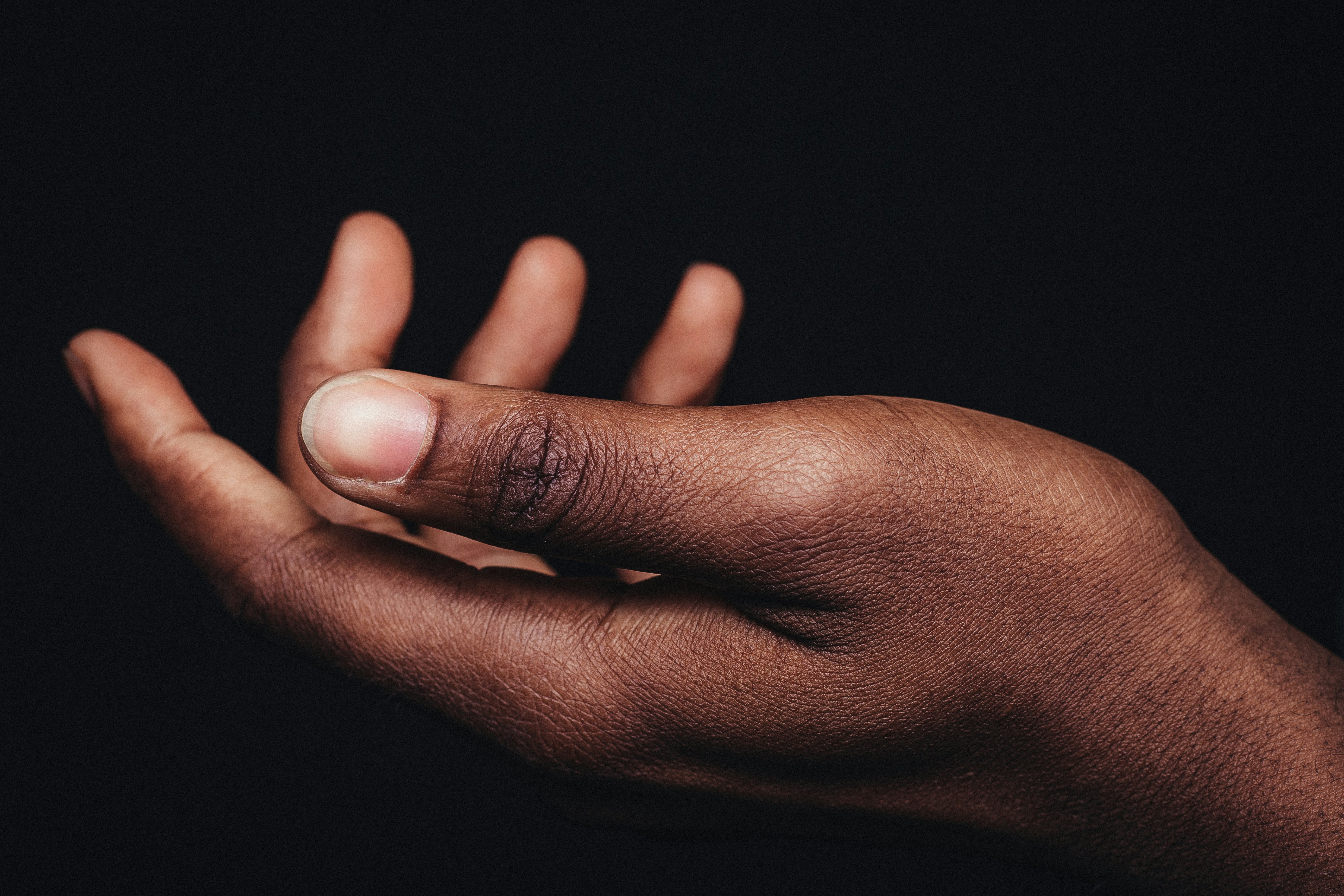
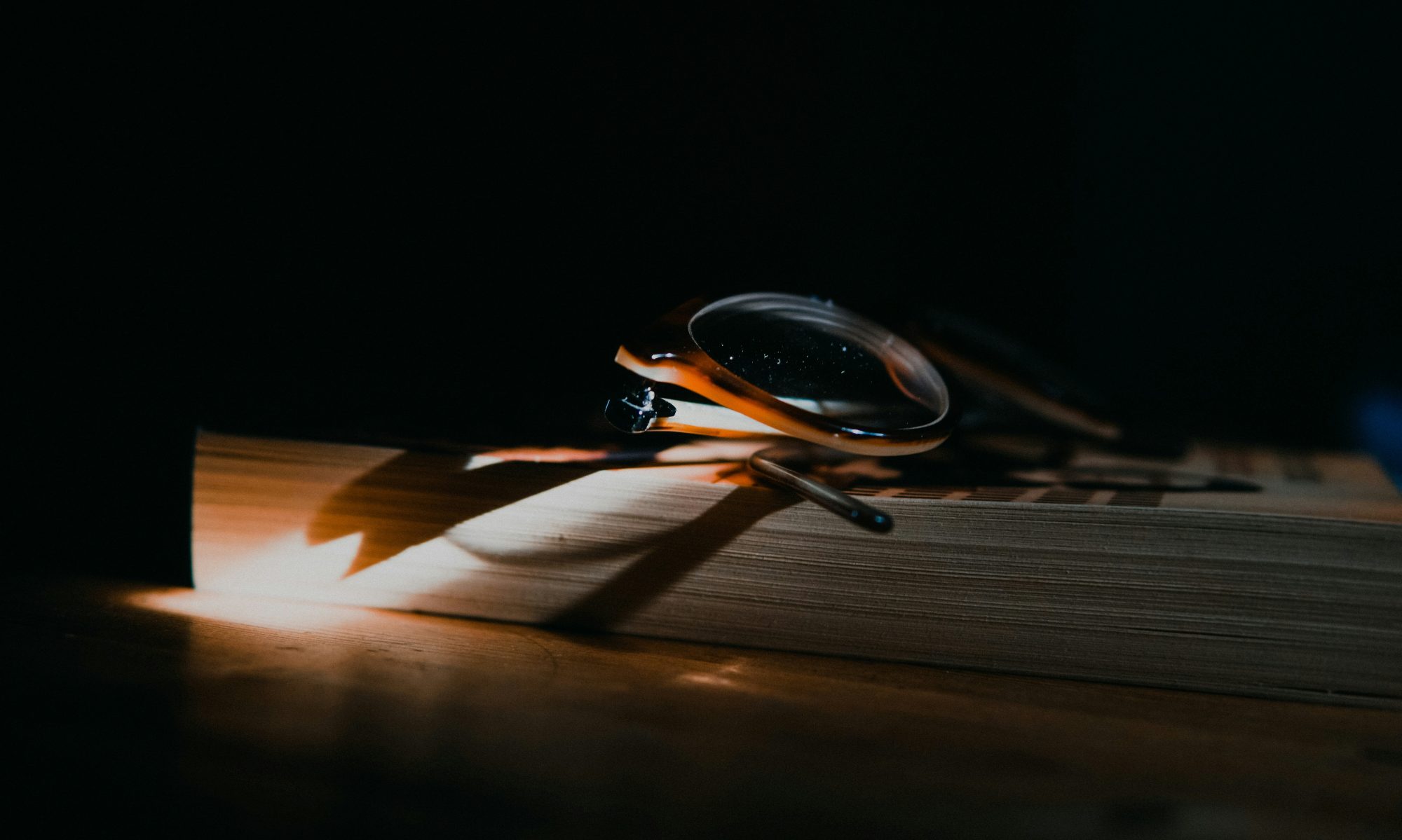
Photo by Nsey Benajaj

.

One of Herberto Helder’s most celebrated poems begins: “Amo devagar os amigos que são tristes com cinco dedos de cada lado” / “I love slowly the friends who are sad, with five fingers on each side” (“Aos Amigos,” Poemacto, 1961). Nothing gives itself to us—or gives us so deeply to others—as our hands do. The touch of hands trains our feelings, soothes the wretched, supports the powerless, opens places of refuge and hope to strangers and wanderers, draws in both the different and the familiar, seals pacts, builds bridges, and writes the essential words that the future will allow to take root.

On their skin, in the varied form of the fingers (as though the blessed difference of size and function made them inseparable creators of life), in the beauty of the nails, in the small blue threads of blood running to the tiniest venules and arterioles, in the lines where their phalanges bend and the full shell of their bones closes—there lies a science of fire.

By this science of fire I mean the gift we all possess (and so often refuse): the gift of loving, even in shadow, even in silence, on the humble scale of those who bring forth not injury but a poem, not hatred but friendship, not a hostile fist but an open and willing hand.

Herberto ends his poem with prophetic lines: “– Temos um talento doloroso e obscuro. / Construímos um lugar de silêncio. / De paixão.” / “– We have a painful and obscure talent. / We build a place of silence. / Of passion.” The world of men will only be saved when they understand what their hands are for—when they love the sad ones who keep them open, with five fingers on each side.

Our own image

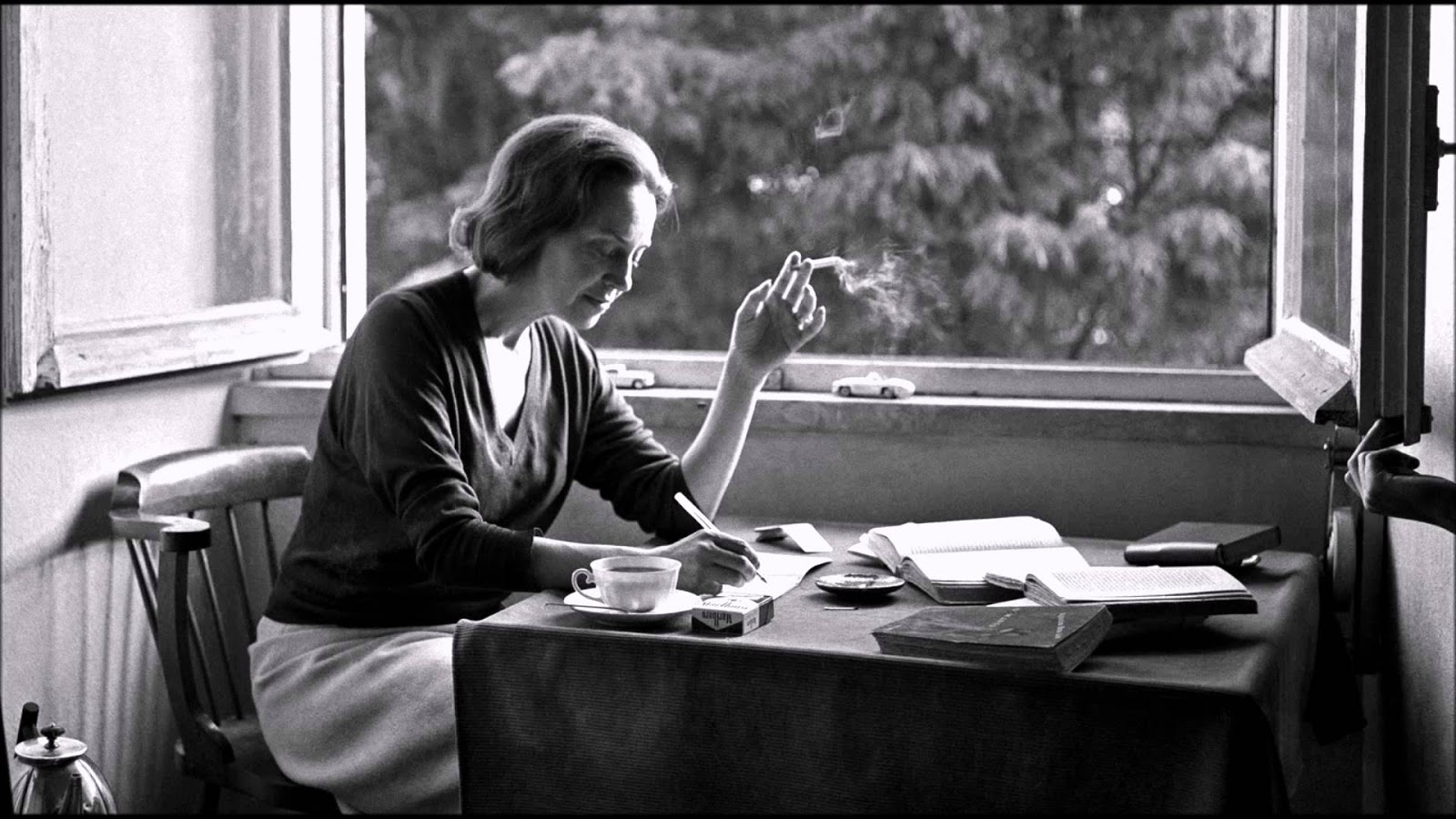
Sophia de Mello Breyner Andresen photographed by Eduardo Gageiro

.

In one of the poems of No Tempo Dividido, Sophia de Mello Breyner Andresen writes, in the manner of an inscription: “Que no largo mar azul se perca o vento / E nossa seja a nossa própria imagem” — “That in the wide blue sea the wind be lost / And ours be our own image.”

The pelagic world was for the poet, as is commonly known, a demiurgic, almost religious space, from which emerged her creative force, her fascination with ancient time (which was equally her fascination with the inscrutable future), but also her most personal delight in the peoples who, having sailed those seas of a remote past (the Greeks, in particular), bequeathed to us their art, their beauty, their nude, and within them (as in Heidegger’s ontology) our destiny.

Sophia’s poems are, without exception, exercises in incomparable lapidary art. We read them today under the relative oblivion to which every work is consigned after the death of its author. Yet for this very reason we rediscover them as more vehement, more marvellously sculpted, more true. We read them as an extension of ourselves, as though seated on a garden bench among the twisted trunks of giant trees (like these metrosideros in Foz do Douro), the wide blue sea before us seemed more real, and our own spirit wandered amid those waves and the scent of the sea breeze, while between the seated body and the wandering spirit there existed something unnameable. Something like our own image, doubly beheld in the mirror.

24.11.2024

The Actor Looks at Himself in the Mirror

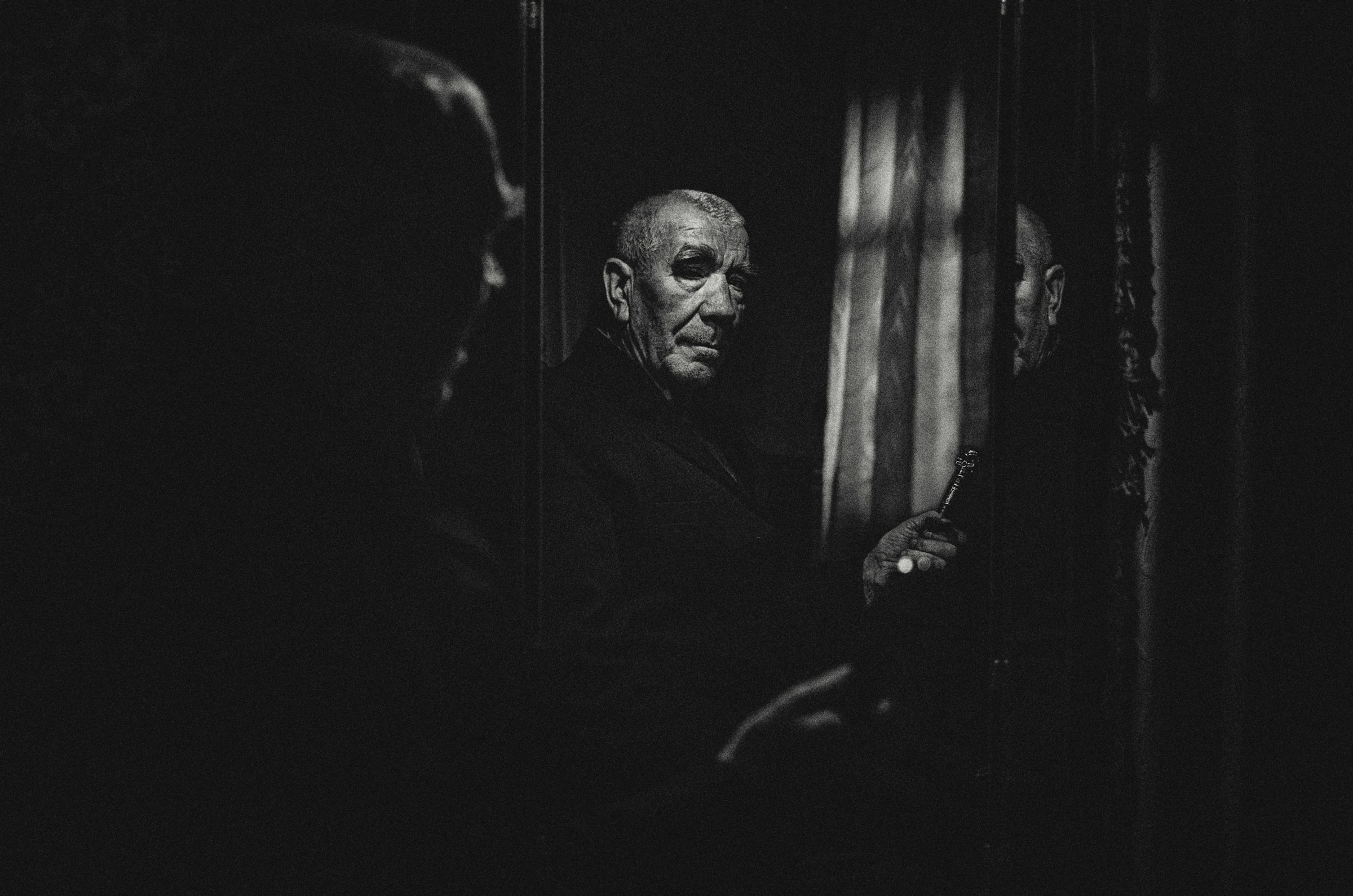
Photo by Vitaliy Shevchenko

.

THE ACTOR LOOKS AT HIMSELF IN THE MIRROR

do not wait so long for me
I have no future
as past I did not have.
handsome I may be
however crude
no less than statue
nor better than sand.
like every creature
what I am I am no longer.
my hands burn with the cold
and I may already be dead
or too far.
do not wait so long for me
you do not know who you wait for

Translated by Bernarda Esteves

.

O ACTOR OLHA-SE AO ESPELHO

não esperes tanto por mim
não tenho futuro
como passado não tive.
belo talvez seja
porém cru
não menos que estátua
nem melhor do que areia.
como toda a criatura
o que sou não sou.

as mãos ardem-me de frio
e talvez esteja já tão morto
ou longe de mais.
não esperes tanto por mim
não sabes quem esperas.

Original version in Portuguese, from the book Reflexões à Boca de Cena / Onstage Reflections by João Ricardo Lopes
.

Read by Catarina Lopes