Our own image

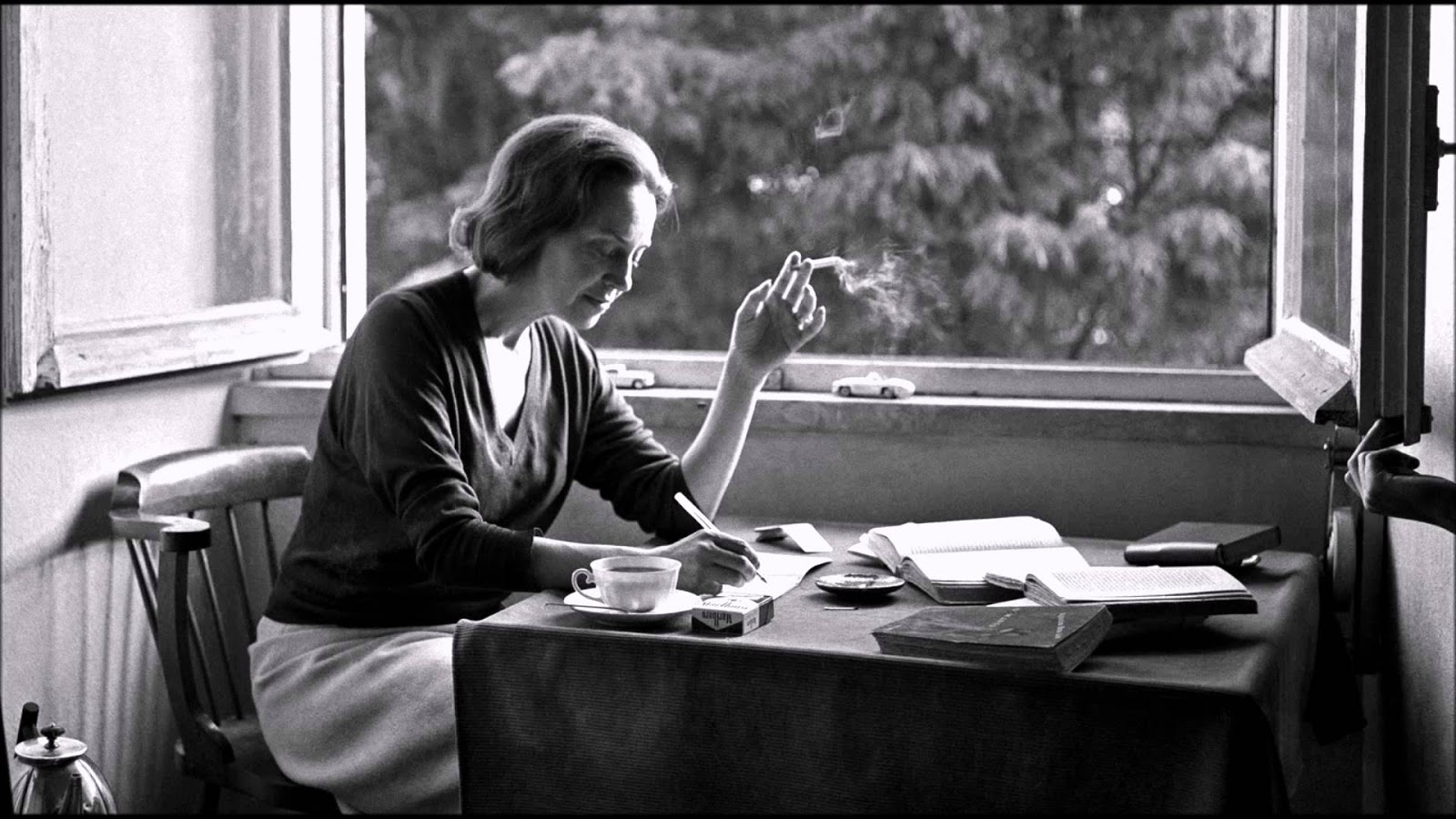
Sophia de Mello Breyner Andresen photographed by Eduardo Gageiro

.

In one of the poems of No Tempo Dividido, Sophia de Mello Breyner Andresen writes, in the manner of an inscription: “Que no largo mar azul se perca o vento / E nossa seja a nossa própria imagem” — “That in the wide blue sea the wind be lost / And ours be our own image.”

The pelagic world was for the poet, as is commonly known, a demiurgic, almost religious space, from which emerged her creative force, her fascination with ancient time (which was equally her fascination with the inscrutable future), but also her most personal delight in the peoples who, having sailed those seas of a remote past (the Greeks, in particular), bequeathed to us their art, their beauty, their nude, and within them (as in Heidegger’s ontology) our destiny.

Sophia’s poems are, without exception, exercises in incomparable lapidary art. We read them today under the relative oblivion to which every work is consigned after the death of its author. Yet for this very reason we rediscover them as more vehement, more marvellously sculpted, more true. We read them as an extension of ourselves, as though seated on a garden bench among the twisted trunks of giant trees (like these metrosideros in Foz do Douro), the wide blue sea before us seemed more real, and our own spirit wandered amid those waves and the scent of the sea breeze, while between the seated body and the wandering spirit there existed something unnameable. Something like our own image, doubly beheld in the mirror.

24.11.2024

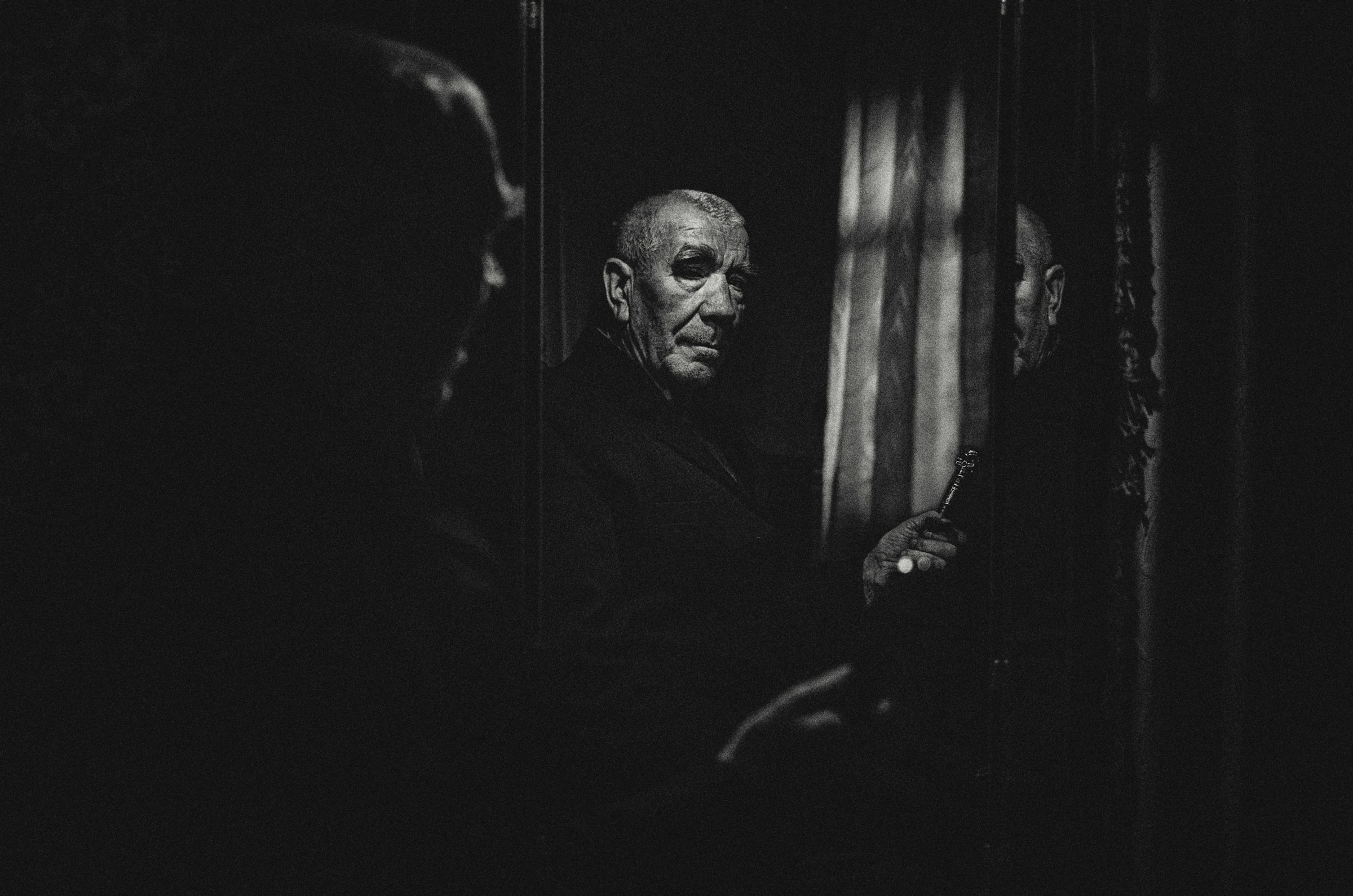
The Actor Looks at Himself in the Mirror

Photo by Vitaliy Shevchenko

.

THE ACTOR LOOKS AT HIMSELF IN THE MIRROR

do not wait so long for me
I have no future
as past I did not have.
handsome I may be
however crude
no less than statue
nor better than sand.
like every creature
what I am I am no longer.
my hands burn with the cold
and I may already be dead
or too far.
do not wait so long for me
you do not know who you wait for

Translated by Bernarda Esteves

.

O ACTOR OLHA-SE AO ESPELHO

não esperes tanto por mim
não tenho futuro
como passado não tive.
belo talvez seja
porém cru
não menos que estátua
nem melhor do que areia.
como toda a criatura
o que sou não sou.

as mãos ardem-me de frio
e talvez esteja já tão morto
ou longe de mais.
não esperes tanto por mim
não sabes quem esperas.

Original version in Portuguese, from the book Reflexões à Boca de Cena / Onstage Reflections by João Ricardo Lopes
.

Read by Catarina Lopes

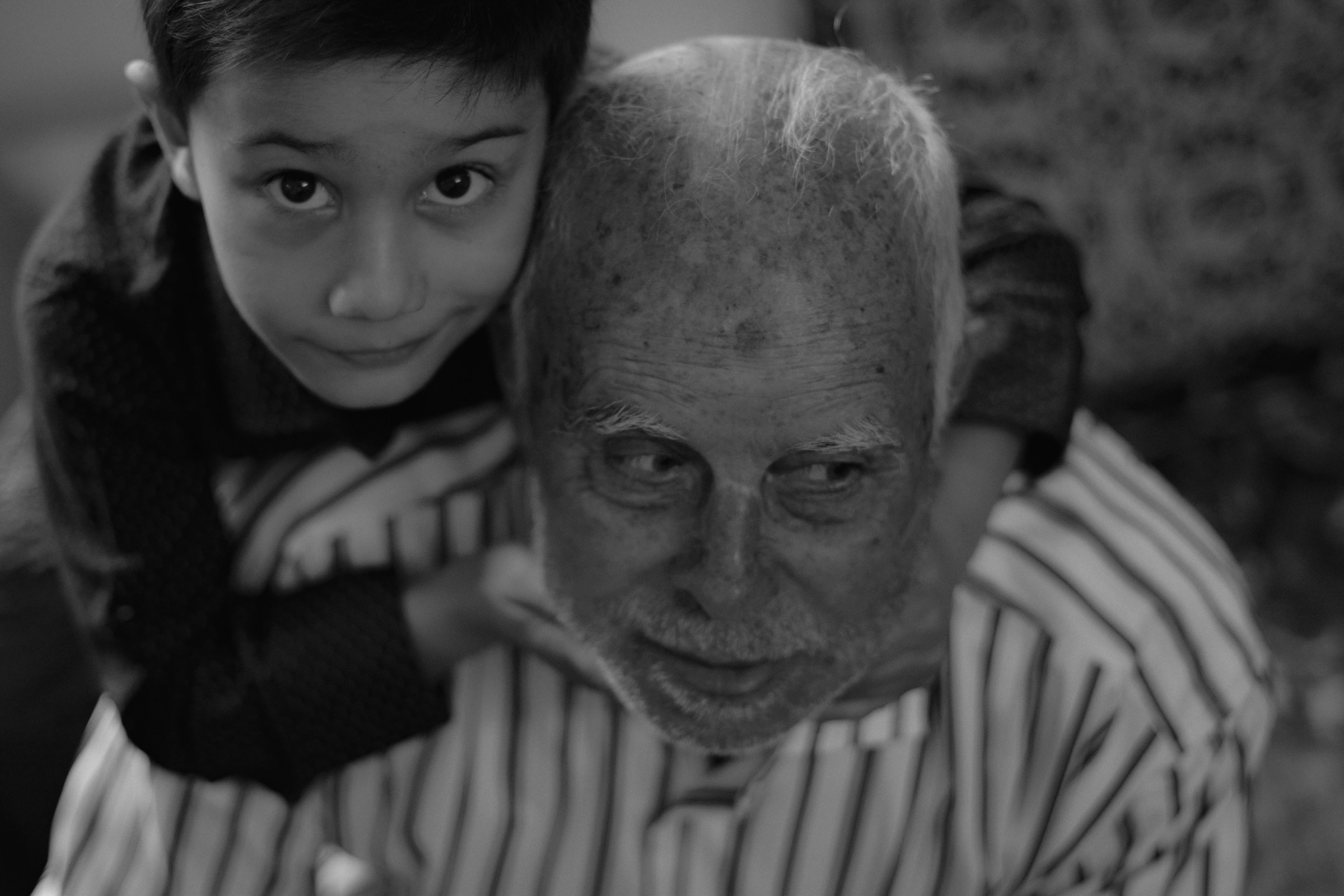
Bucolic

Photo by Milad Fakurian

.

At the top of the hill lies the center of the world. From there, you can see everything: the village nestled on the slopes, the medieval church, the river below with its little Roman bridge, the hay carts and the flocks passing slowly, just like the hay carts and flocks from a thousand years ago.

There, sheltered beneath the branches of an old ash tree thick with saplings and roots, we hear the following dialogue:

– My life was cowardly, weak, miserably lived…

– Why do you say such things?

– Because I’ve always been a coward, a weak man, a miserable one…

– Don’t say such ugly things…

– But you, my child, you can have a different fate!

– What do you mean, Grandpa?

– You can look into my eyes and see what you don’t want for yourself, glimpse yourself now in a future time…

– But Grandpa, how can you believe what you just said? You’ve always been kind to everyone.

– I killed all my dreams, turned away from every woman for fear they would turn away from me, ignored the warnings, dismissed good advice, believed myself old at every stage of my life…

In the end, I wasn’t even able to put an end to the terrible remorse that eats me alive!

– What do you mean by that?

– You know… Ending everything…

– Grandpa!

– But you are different, my child! I’m telling you, a different fate awaits you. I’m telling you to go! Go while the shadow of your own feet is not yet heavy enough to drag you down, nor strong enough to turn your head back… Go, and never look behind you!

The clouds drift up above. The hill is gentle, like the curve of a fruit. All who love a good story know how vain words can be—and how fond they are of a fine pastoral setting.

“Never look behind you!”

Indeed, when walking forward, one must never turn back. It is a universal truth.