At the top of the hill lies the center of the world. From there, you can see everything: the village nestled on the slopes, the medieval church, the river below with its little Roman bridge, the hay carts and the flocks passing slowly, just like the hay carts and flocks from a thousand years ago.
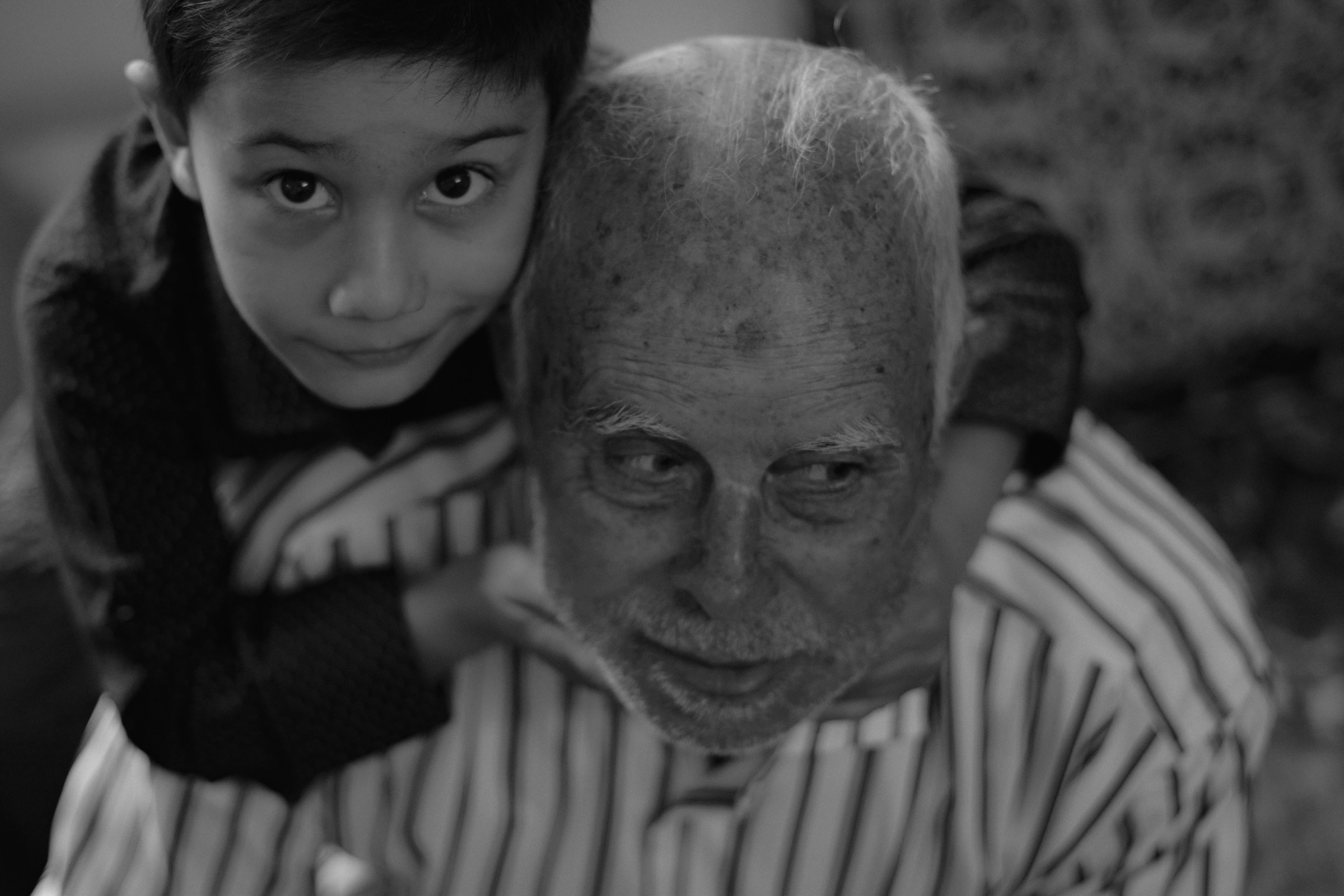
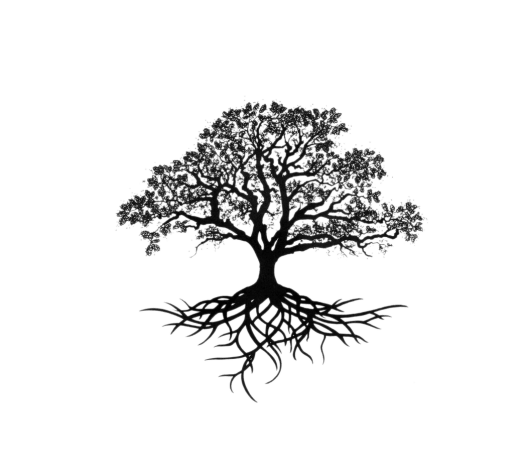
There, sheltered beneath the branches of an old ash tree thick with saplings and roots, we hear the following dialogue:
– My life was cowardly, weak, miserably lived…
– Why do you say such things?
– Because I’ve always been a coward, a weak man, a miserable one…
– Don’t say such ugly things…
– But you, my child, you can have a different fate!
– What do you mean, Grandpa?
– You can look into my eyes and see what you don’t want for yourself, glimpse yourself now in a future time…
– But Grandpa, how can you believe what you just said? You’ve always been kind to everyone.
– I killed all my dreams, turned away from every woman for fear they would turn away from me, ignored the warnings, dismissed good advice, believed myself old at every stage of my life…
In the end, I wasn’t even able to put an end to the terrible remorse that eats me alive!
– What do you mean by that?
– You know… Ending everything…
– Grandpa!
– But you are different, my child! I’m telling you, a different fate awaits you. I’m telling you to go! Go while the shadow of your own feet is not yet heavy enough to drag you down, nor strong enough to turn your head back… Go, and never look behind you!
The clouds drift up above. The hill is gentle, like the curve of a fruit. All who love a good story know how vain words can be—and how fond they are of a fine pastoral setting.
“Never look behind you!”
Indeed, when walking forward, one must never turn back. It is a universal truth.
The online edition of Der Spiegel recently reported the discovery, in an antique shop in the small town of Vauffelin, of a notebook (modest in size, A6 format) containing previously unpublished writings by Robert Walser, known to us through the edition of Ash, Needle, Pencil, and Match, a delightful anthology of short prose pieces, which the author composed during his (somewhat enigmatic and extremely discreet) passage through this world.
The following text is part of the manuscript now surrendered to the eager hands that will dissect it. For better or worse, the translation is ours. We share it, moved.
•
If you are keeping vigil over someone ill and he sleeps, if the crackling of firewood makes the silence of the house all the more vivid, if the afternoon — like all cold and shadowed January afternoons — lends itself to meditation, and perhaps even to introspection, then perhaps you might grant yourself a few moments in which it still seems worthwhile to put to use a stubby pencil and a scrap of paper.
There is nothing quite like the poignant peace of one who waits. Most of the time, the clock finds a way to burrow into us and leave us restless and aching, perhaps even hollow. But that is not the case now: the flicker of the fire and the faint, drowsy light cast on the walls quiet our gestures.
The presence of someone sick, in need of our care, inspires a kind of concern akin to that which one feels for the stub of a candle: at any moment the wick might expire, and the tiny flame bid farewell in a thin, pale thread of final smoke. But while it burns, that tiny remnant of wax is marvellous, touching — a reason to revere the present.
Much the same could be said of a taut rope, across which our shirts hang, and whose frayed strands already foretell that painful peak at which the two ends will part forever, never to meet again. The breaking of matter is a puncture. But a sisal rope dies when it must die. The feeling of duty fulfilled requires no explanation, nor should it be prolonged.
I end here, grateful, reader, for your time. Time is precious — I might even say, deeply beautiful. A text, when read through someone else’s eyes, is nearly a miracle. You cannot imagine how much so, dear friend. Nor how profoundly.
There are times when we are overtaken by a kind of fatigue that scatters everything we cherish, as though it were cutting down at the root the very trunk of our emotions. We feel ourselves swaying inwardly, intoxicated by an unrelenting paralysis, sleepwalking through a temporary death, felled by what the elders call ennui, what the poets name acedia, what psychiatrists term slackness, or, more commonly, indistinctly, sorrow, depression, boredom.
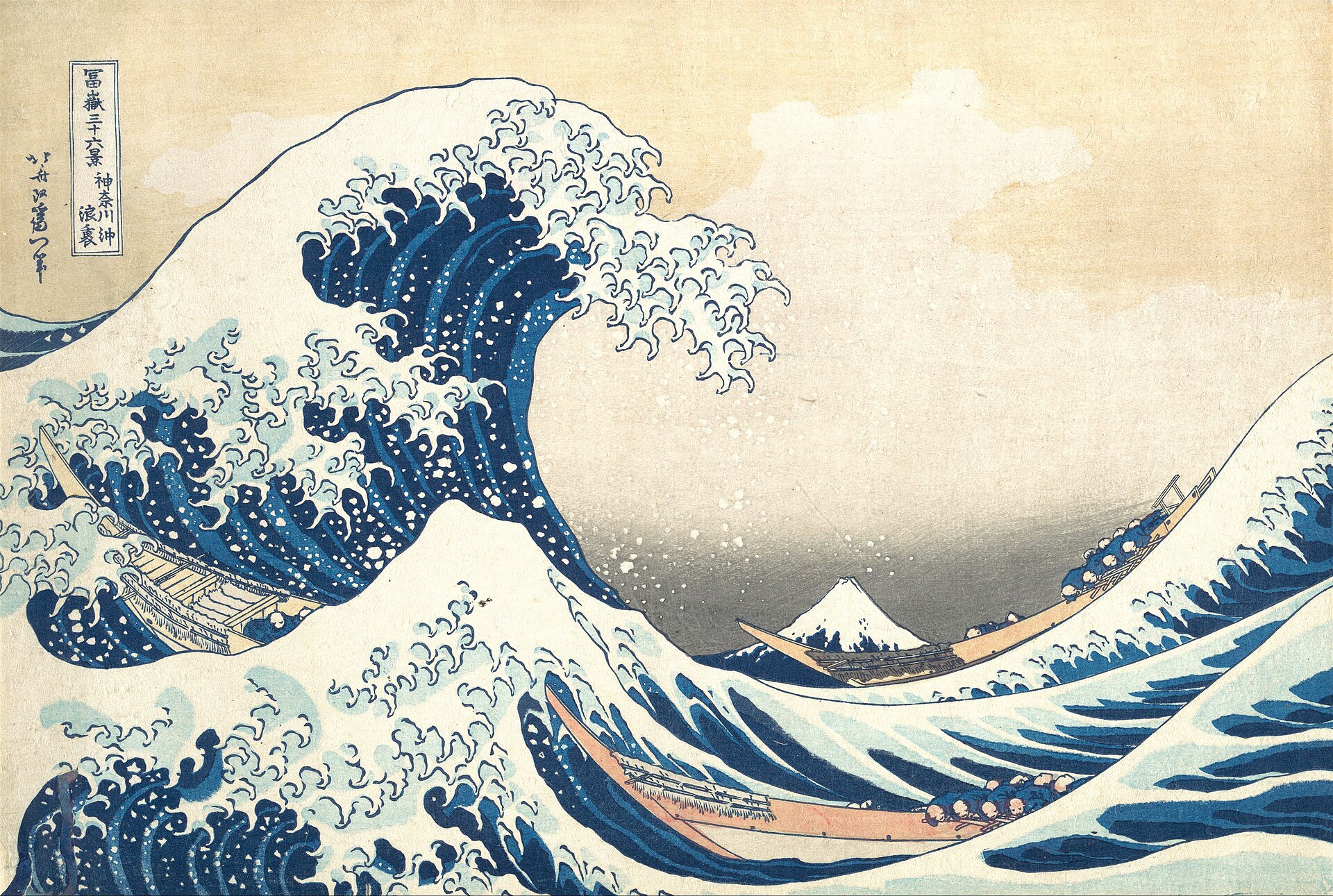
When we are swallowed by this wave — and it is impossible not to recall the one Hokusai painted, devouring the poor fishing boats off Kanagawa — there is very little left to us, almost nothing, as though we lingered in an existence of ashes and silence.
And yet, along the great voyage of days and years, a few scraps of miracle remain. After the fatigue, the torpor, the stillness, there always follows a season of radiant openings of the soul. In it, as a flame rekindles among half-extinguished embers in the hearth, the meaning of existence is lit again, the thread of words, the glint of joy. It is the most wondrous time in our lives: the moment when the Self and Faith are rediscovered.
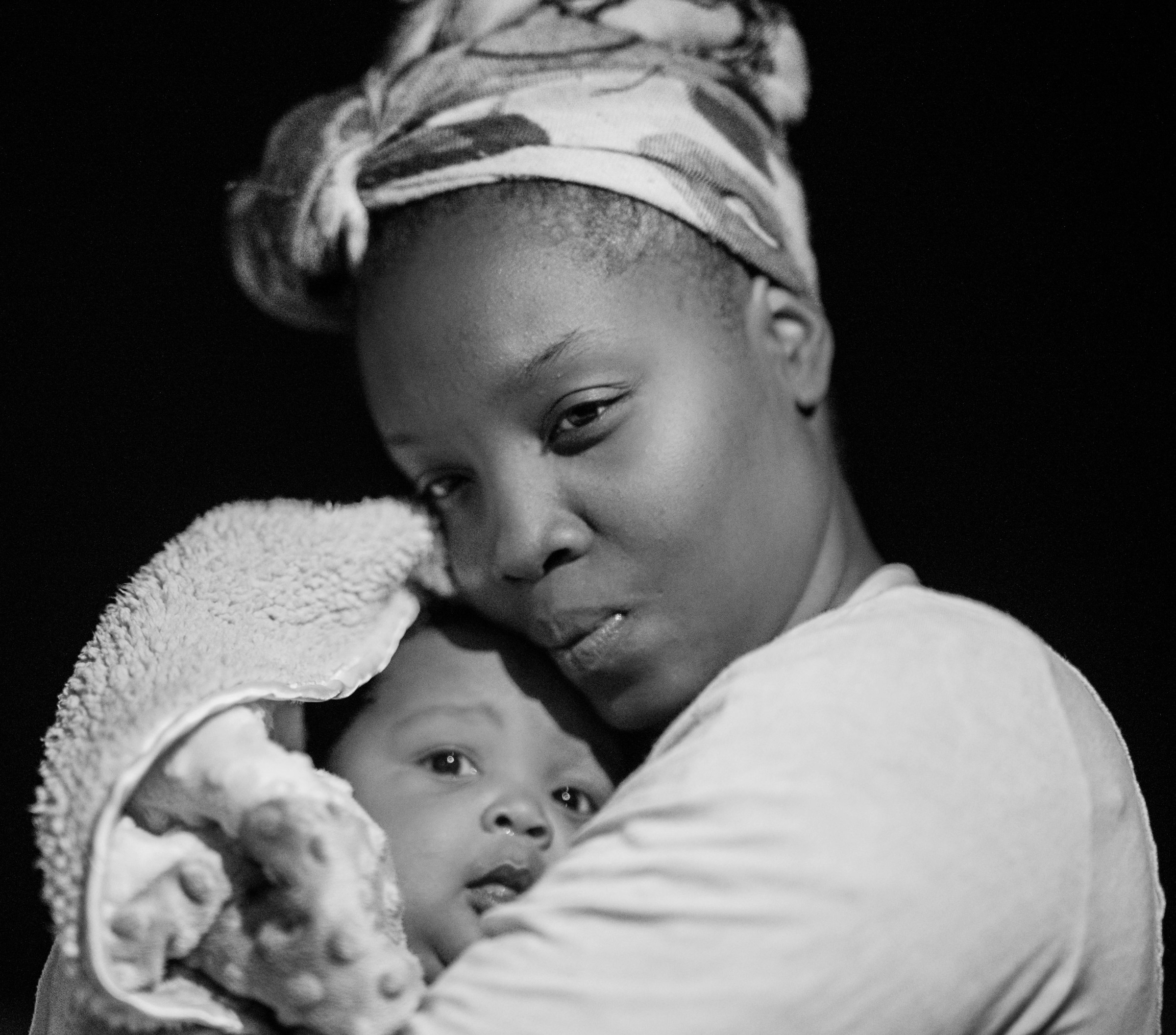
The girl quickened her pace. The rain would not be long. It was a strange afternoon, a street that stretched endlessly, a people with chill upon their faces. Now and then, whenever a flicker of doubt brushed past her—a loud voice, a hint of menace—she would place her hand gently on her belly: blessed was the fruit that grew there, slowly, unhurriedly, in quiet wonder.
She wore her coat collar turned up, the bag slung across her shoulder, her heart beating wildly. All she wanted was to reach home, slip off her shoes, retreat to her corner, feel the hush and shelter of the walls, the presence of familiar things. There was something umbilical in it all: a promise of comfort, a sense of permanence and peace, a resistance against everything and everyone. It was within herself that she liked to dwell—to imagine the future, to dream it softly, to cradle the child not yet born.
At night, when no one could hear, she would speak to the cat, to the sofa, to the lit lamps—she would speak as one who yearns to be heard: “This child of mine will prevail,” “This little one shall know neither hunger nor want of love,” “No harm shall come to this child—because I will not allow it.”
She trembled when she murmured those words. And she was all courage, all resolve, the very incarnation of a strength she did not know she possessed. And the rain did not fall. And no one came between her and time. And no danger even approached the child she held so close. And she was so slight. And the child, so very small.
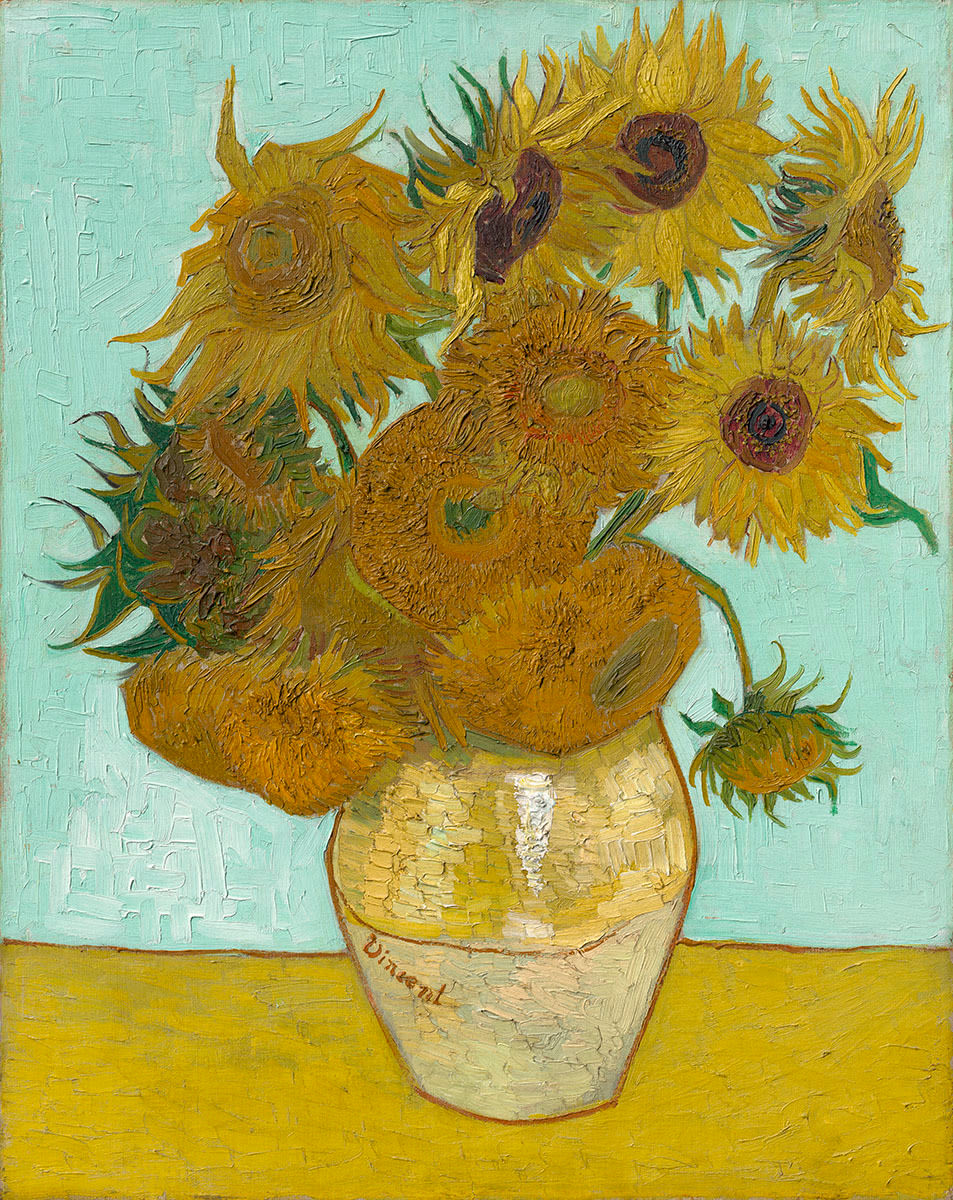
Vase with Twelve Sunflowers. Vincent van Gogh, 1888
.
Mrs Marshall arranged the sunflowers with the greatest care. In the vase, set upon the oval of the large mahogany table that occupied the centre of the room, they were to appear as innocent and cheerful as in a painting from the late nineteenth century.
“What do you think, dear?”
Mr Marshall offered no comment. He did not so much as glance at the colourful display which, instinctively, stirred in him a sense of unease. Mr Marshall was reading the newspaper with meticulous fingers and eyes.
“There’ll be a war soon!”
Mrs Marshall adjusted the violent yellow that flared within the crystal. No, those sunflowers must seem as innocuous and pure as a child’s toy. When the statesmen sat down around that arrangement, perhaps they might spare a thought for life, for childhood, for those creatures who quietly hold a vital place in our hearts.
“Before the war comes, anything is worth doing to prevent it,” said Mrs Marshall.
Before war comes, everything has always been worth trying to prevent it, so say we.
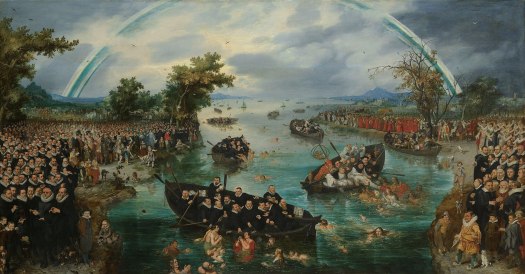
Fishing for Souls. Adriaen Pietersz van de Venne, 1614.
I crossed the Museumplein as fast as I could toward the Rijksmuseum. Lunch — a hot dog hastily eaten at one of the Hema shops near Vondelpark — was rising in my throat. Heavy showers had fallen earlier in the morning, in stark contrast with the scorching start to that early October afternoon. I had to dodge puddles and splash my face with water before arriving at the office of the curator, Evelijn van Buyten.
“Christiaan, I don’t quite know how to explain this. It’s a strange case. The best thing is to start with a field inspection…”
I was led to the Flemish Masters section on the second floor and placed in front of De zielenvisserij by Adriaen Pietersz van de Venne. Then, in a gesture worthy of a detective, Dr. van Buyten said:
“Please, see if you notice anything unusual here!”
I scanned the painting. The canvas (a masterpiece dated 1614, with the considerable dimensions of 98.5 by 187.8 centimeters) depicts a river densely filled with boats and shipwrecked souls between the overcrowded banks of a typical Dutch polder: on the left, in somber black and beneath leafy trees, the Protestant mob; on the right, more flamboyant and splashed with the red of prelates, a Catholic crowd in the wake of Archduke Albert of Austria.
The fishing for souls is intense, the boats threatening to capsize from the weight. The Pope himself, adorned with his array of symbols, participates in the pious collection of souls. In the background, the only sign of Christian unity, a pale rainbow forms a bridge between the two enemy processions.
“Let me have a closer look…”
I adjusted my glasses, raised the magnifying glass, and carefully reviewed the details. The oil painting, in tones characteristic of the Dutch school, displayed a wide chromatic range from bistre to sky blue. The figures seemed authentic, the Bibles remained open, the beards pointed, the hands piously raised…
“The horsefly, Christiaan!” the curator interrupted impatiently.
Indeed, the horsefly had vanished. I was stunned by my own oversight. The horsefly, which van de Venne had placed like a satirical signature on the greenish waters, was gone.
“Good heavens, we’re dealing with a forgery!”
“You have to see something, Professor,” said the head of security.
“What you’re about to see goes beyond us… It’s simply absurd,” Dr. van Buyten announced.
I was taken to an overheated room, where countless monitors connected to a multitude of surveillance cameras showed the Rijksmuseum’s inner workings. Then, by fast-forwarding footage recorded during the night, they showed me a video clip.
“It starts here,” said Jan Nerrings.
In the computer pixels, a crowd began to move, noisily, on both sides of the river. Heads turned, arms were raised, eyes opened wide, prayers and curses were uttered, oars struck the water, the barges rocked as a wave rippled through the current, the fishermen strained to pull in the naked bodies. Like a film animation, for no more than thirty seconds, the trees swayed and birds crossed the horizon. Then, as the other figures froze once more, the large insect, seemingly weary of its exogenous presence, beat its wings and fled.
Over a remarkable journey, which successive cameras captured, it flew through rooms and corridors of the Rijks, looped and hovered over other masterpieces, and finally headed for an air duct and disappeared.
“From this point on, we can’t see anything else,” Nerrings lamented.
“Absurd, completely absurd…” the curator murmured.
I asked to see the footage again. I reviewed it several times. Then I returned to the canvas. I suspected a prank. A dreadful thought struck me—that I had become trapped inside a solipsistic mind. Perhaps I was dreaming. I could neither confirm nor dismiss any theory. None of it was even remotely plausible.
“Absurd, completely absurd…” repeated Dr. van Buyten, perplexed, inconsolable.
As expected, the event stirred strong passions in the public. That an animal would seek its freedom—even after four centuries—should not surprise us so much, noted an expert in ecology and international law.