
Poetry

Photo by Toa Eftiba

.

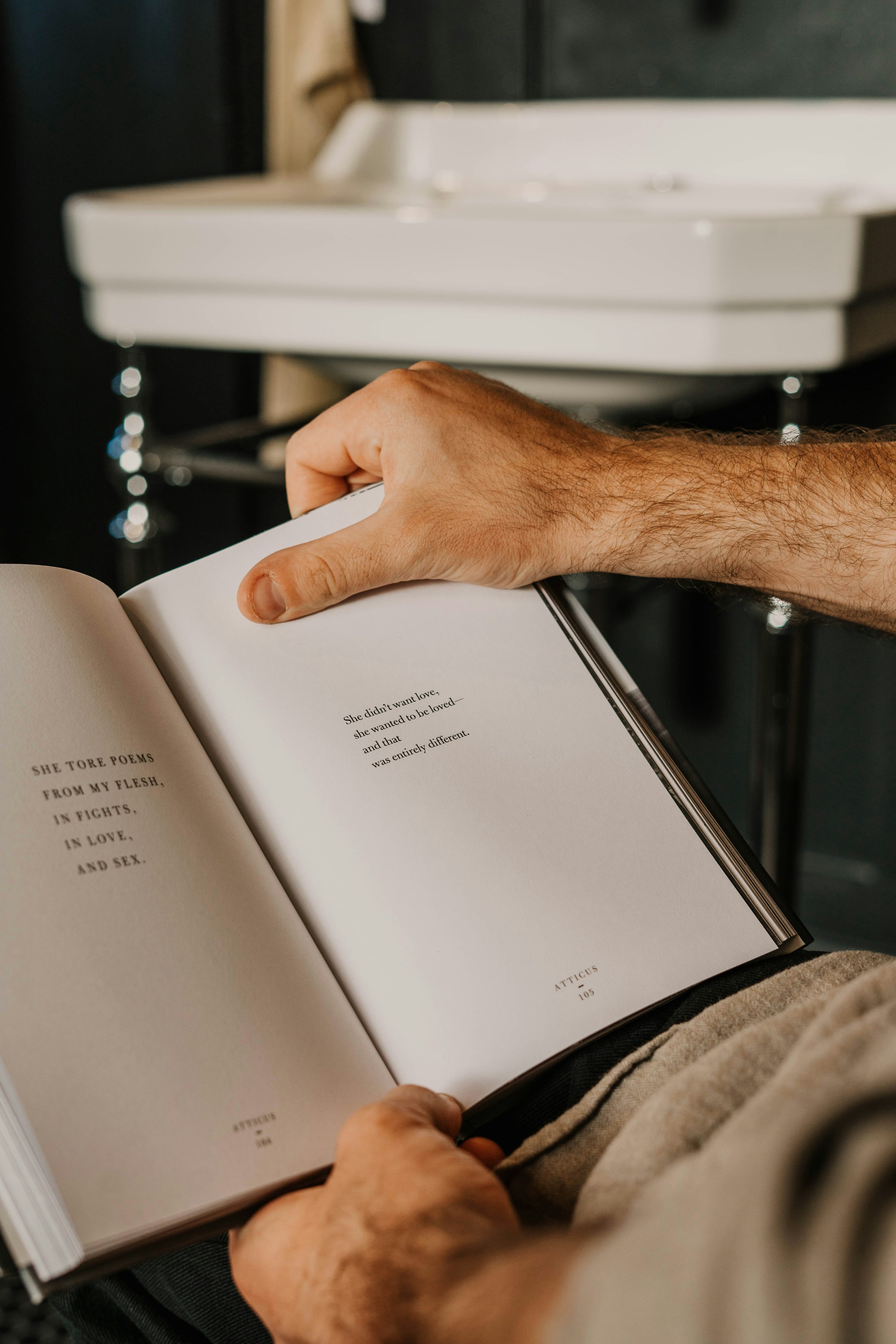
I have long read, written, collected, and loved poetry. My bookshelves cradle a considerable number of volumes dedicated to this art the ancient Greeks believed was consecrated to Euterpe—an art whose hold on me deepens with time, as I come to grasp the astonishing power of freedom contained in this ποιείν (poiein): the freedom to think, to feel, to speak.

These days, in my classes, it is rare to find a student who chooses a book of poems for their own quiet, autonomous reading. Rarer still the one who brings to their peers a collection by Sophia, José Régio, Miguel Torga, Antero, Pessanha—or even by Florbela Espanca or Eugénio de Andrade (who, despite these “hard times for lyricism,” as Bertolt Brecht once wrote, still manage to glean some measure of admiration). Rarest of all is the one who admits to loving, or even intuitively grasping, this literary form.

Perhaps this is why—saddened by yet another crisis, this slow dwindling of love—I find myself thinking, more and more obsessively, about how to preserve Homer and Hesiod, Virgil and François Villon, Whitman and Emily Dickinson, Federico García Lorca and Anna Akhmatova. How to help them survive the great catastrophe of forgetting, and above all, the cataclysm of indifference. For time has taught me that the noblest battles for the life of the spirit are almost fated to fail in a society brutalised and brutal, prosaic and stained in its sentiments by the cement blocks we trample in the streets.

Poetry must be cared for—urgently. As with the great seed vault of Svalbard, we must shelter the most extraordinary force ever forged by the human mind, heart, and courage, working in concert. Only, in place of seeds, we must seal verses within.

Bucolic

Photo by Milad Fakurian

.

At the top of the hill lies the center of the world. From there, you can see everything: the village nestled on the slopes, the medieval church, the river below with its little Roman bridge, the hay carts and the flocks passing slowly, just like the hay carts and flocks from a thousand years ago.

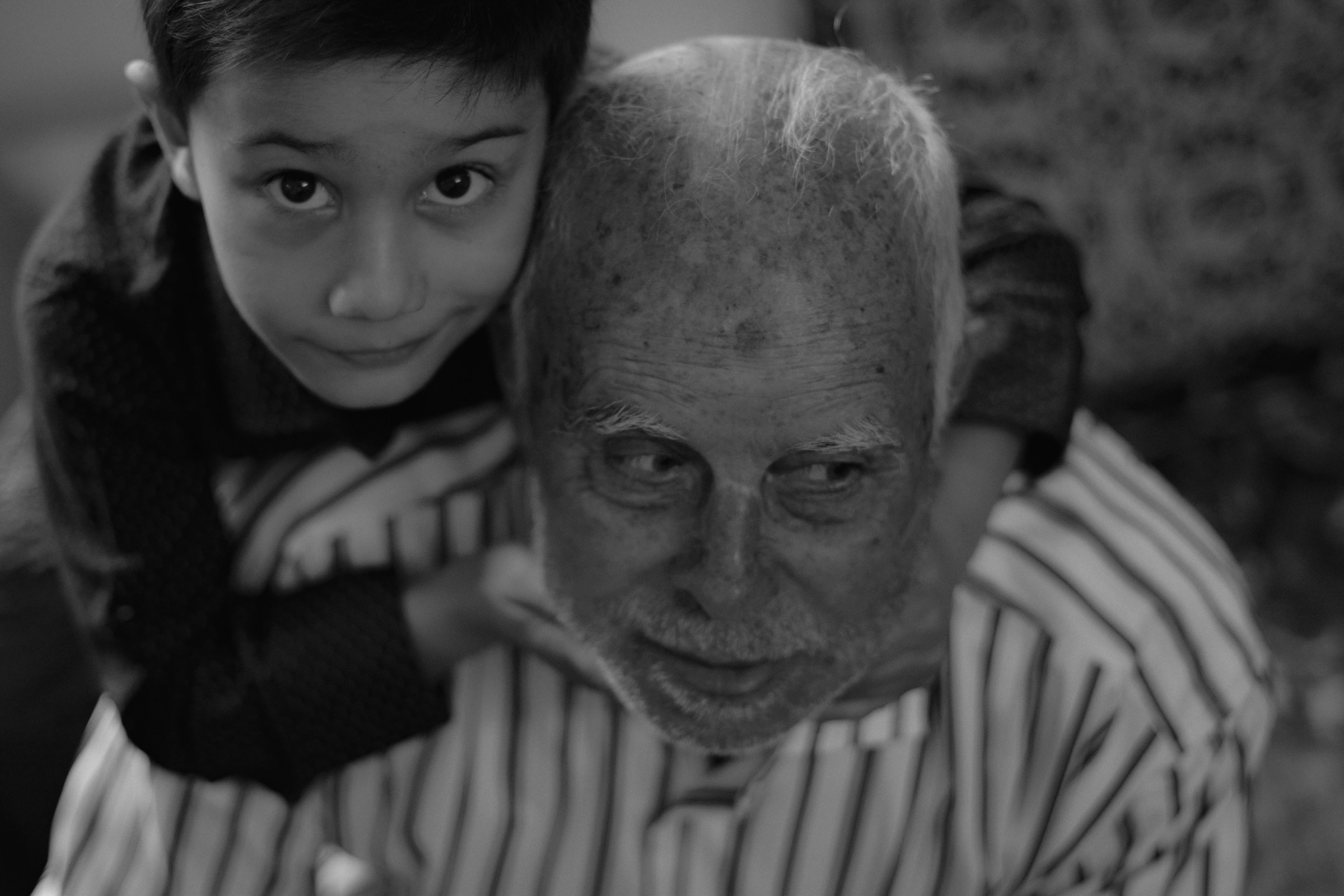
There, sheltered beneath the branches of an old ash tree thick with saplings and roots, we hear the following dialogue:

– My life was cowardly, weak, miserably lived…

– Why do you say such things?

– Because I’ve always been a coward, a weak man, a miserable one…

– Don’t say such ugly things…

– But you, my child, you can have a different fate!

– What do you mean, Grandpa?

– You can look into my eyes and see what you don’t want for yourself, glimpse yourself now in a future time…

– But Grandpa, how can you believe what you just said? You’ve always been kind to everyone.

– I killed all my dreams, turned away from every woman for fear they would turn away from me, ignored the warnings, dismissed good advice, believed myself old at every stage of my life…

In the end, I wasn’t even able to put an end to the terrible remorse that eats me alive!

– What do you mean by that?

– You know… Ending everything…

– Grandpa!

– But you are different, my child! I’m telling you, a different fate awaits you. I’m telling you to go! Go while the shadow of your own feet is not yet heavy enough to drag you down, nor strong enough to turn your head back… Go, and never look behind you!

The clouds drift up above. The hill is gentle, like the curve of a fruit. All who love a good story know how vain words can be—and how fond they are of a fine pastoral setting.

“Never look behind you!”

Indeed, when walking forward, one must never turn back. It is a universal truth.