One of Herberto Helder’s most celebrated poems begins: “Amo devagar os amigos que são tristes com cinco dedos de cada lado” / “I love slowly the friends who are sad, with five fingers on each side” (“Aos Amigos,” Poemacto, 1961). Nothing gives itself to us—or gives us so deeply to others—as our hands do. The touch of hands trains our feelings, soothes the wretched, supports the powerless, opens places of refuge and hope to strangers and wanderers, draws in both the different and the familiar, seals pacts, builds bridges, and writes the essential words that the future will allow to take root.
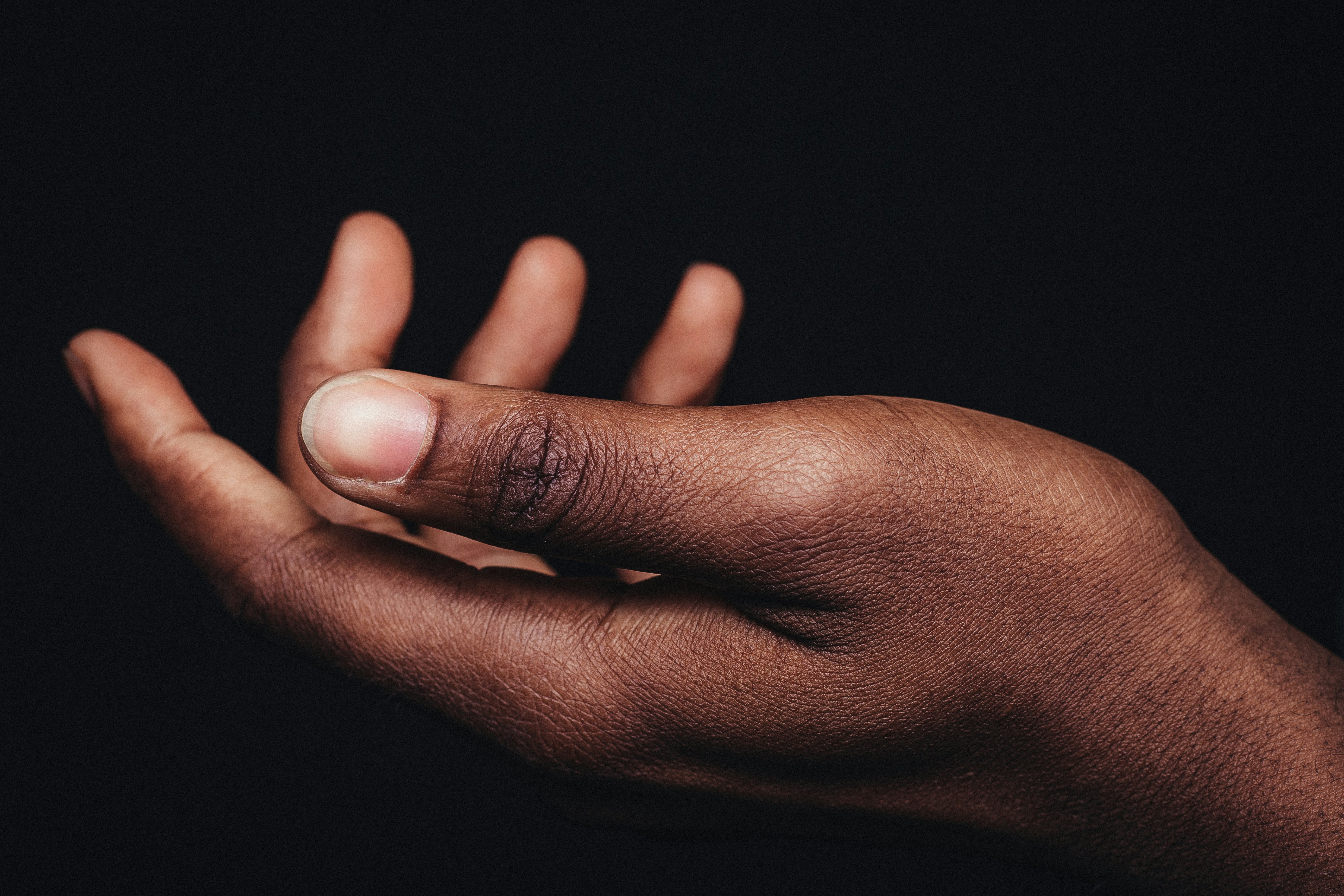
On their skin, in the varied form of the fingers (as though the blessed difference of size and function made them inseparable creators of life), in the beauty of the nails, in the small blue threads of blood running to the tiniest venules and arterioles, in the lines where their phalanges bend and the full shell of their bones closes—there lies a science of fire.
By this science of fire I mean the gift we all possess (and so often refuse): the gift of loving, even in shadow, even in silence, on the humble scale of those who bring forth not injury but a poem, not hatred but friendship, not a hostile fist but an open and willing hand.
Herberto ends his poem with prophetic lines: “– Temos um talento doloroso e obscuro. / Construímos um lugar de silêncio. / De paixão.” / “– We have a painful and obscure talent. / We build a place of silence. / Of passion.” The world of men will only be saved when they understand what their hands are for—when they love the sad ones who keep them open, with five fingers on each side.
Suddenly I grasp the bestiality of humankind as I never had in nearly half a century of life. What is desecrated is the commonplace, the place of others, one’s own place. Each person becomes a latent enemy, a possible hatred, a quarrel, an insult, an act of aggression, a predatory gesture. I see how easily someone is wounded—without cause, without reason, without any concern for what each act is or signifies: a driver abandons his car to raise a violent arm against the one behind him; a ten-year-old hurls a death threat in class, at a fellow pupil or at the teacher; a patient dies on a hospital stretcher before the very eyes of the doctor meant to heal him; a president slanders and divides his people, scorning the oath sworn upon the Bible; a once-decimated nation commits mass murder, justifying force with the cowardly, hypocritical justice it claims to inherit. And suddenly I realize that the clear sun spilling across the windowsill and the blank page of my notebook is impure, unbearable.
I turn to Johann Sebastian Bach as a leper to his refuge. I turn to childhood, to the memory of good friends, of the idyllic walks to primary school, of the ancestral scent of herbs along the streams. I turn to the rigor of colors, the unequivocal weight of words, the care of nails, the truth in the eyes. Then, there was an immeasurable sense of hope. I learned to respect, to give thanks, to be gentle, to cultivate humor, to cherish the rare, beautiful objects given to me, to read books with delicate care, to press my spirit into the considered phrases I was asked to set down—one after another—in school compositions and in dialogue of subtlety. I turn to silence to remember all of this, to listen to the guitar suites, to step away from the noisy patina the days secrete.
The other day a student asked how I find inspiration. For an instant a banality hovered on my lips, a cliché, a ready-made reply. We were in a long room lined with state-of-the-art computers, breathing the air steeped in cables and devices. We were speaking of António Vieira, and of the courage to preach on the edge of the abyss. «I don’t know», «I never knew». That is the certainty. Inspiration—like opening one’s chest to the clean October air, brushing against dew, against the bright green of fennel and lemon verbena—I cannot explain it. Unless, perhaps, as a vast nostalgia, a melancholy urge to reinvent the days backwards, as when the pencil snapped along the nervous line and I thought «this is not the way». Suddenly humanity crumbles on the page, swollen with stupidity and perverse pride. And it is necessary that someone say «this is not the way».
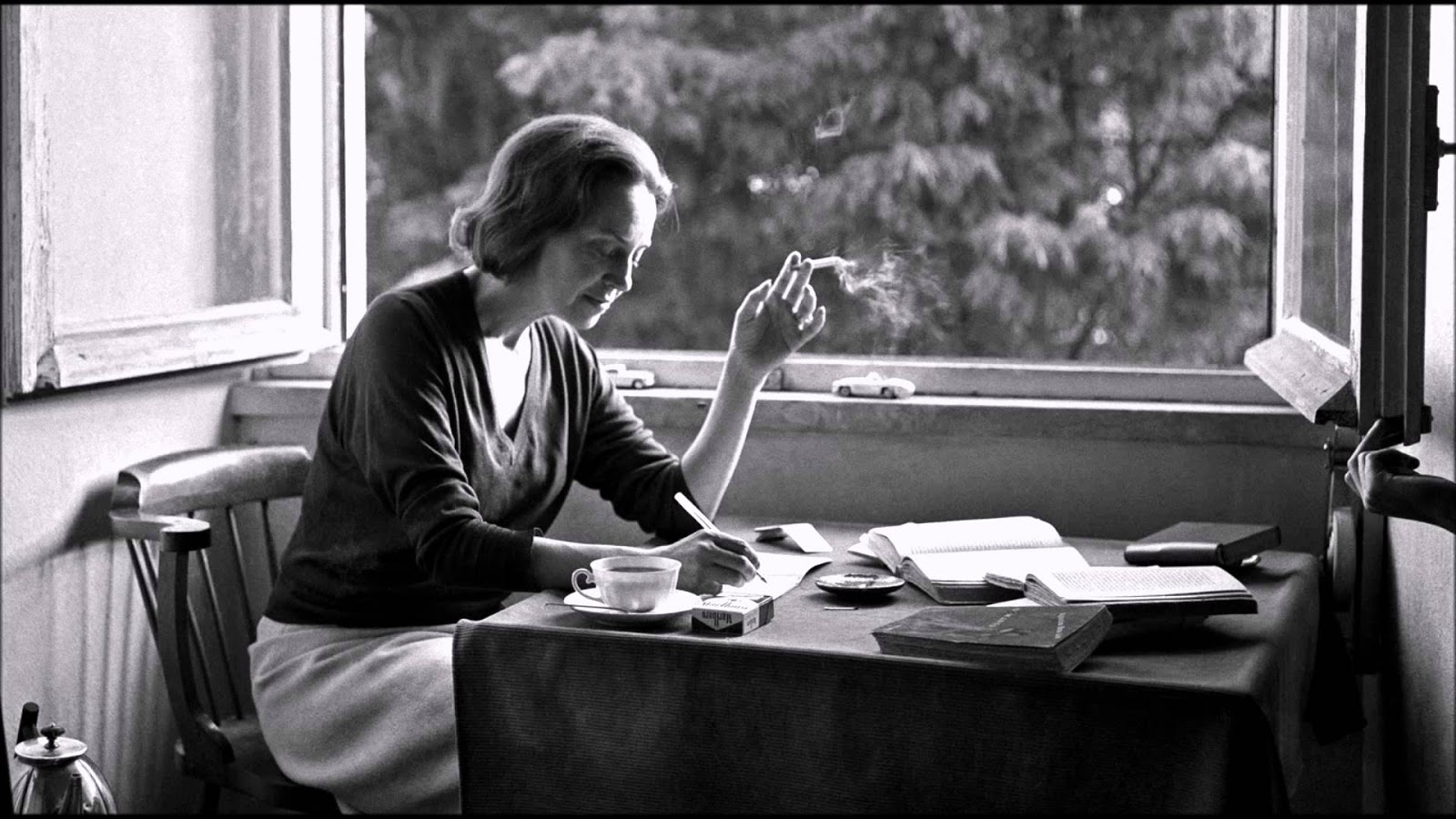
Sophia de Mello Breyner Andresen photographed by Eduardo Gageiro
.
In one of the poems of No Tempo Dividido, Sophia de Mello Breyner Andresen writes, in the manner of an inscription: “Que no largo mar azul se perca o vento / E nossa seja a nossa própria imagem” — “That in the wide blue sea the wind be lost / And ours be our own image.”
The pelagic world was for the poet, as is commonly known, a demiurgic, almost religious space, from which emerged her creative force, her fascination with ancient time (which was equally her fascination with the inscrutable future), but also her most personal delight in the peoples who, having sailed those seas of a remote past (the Greeks, in particular), bequeathed to us their art, their beauty, their nude, and within them (as in Heidegger’s ontology) our destiny.
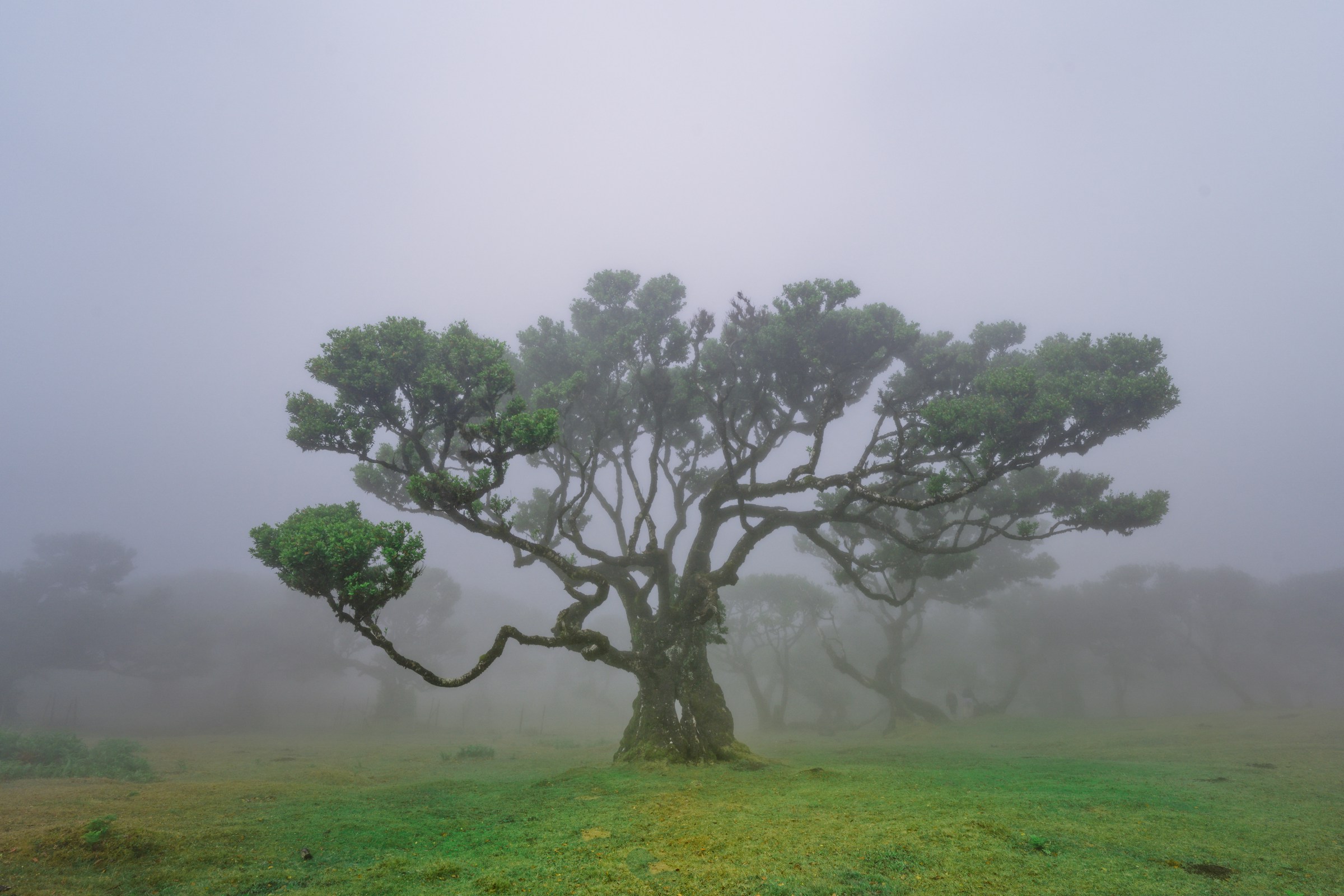
Sophia’s poems are, without exception, exercises in incomparable lapidary art. We read them today under the relative oblivion to which every work is consigned after the death of its author. Yet for this very reason we rediscover them as more vehement, more marvellously sculpted, more true. We read them as an extension of ourselves, as though seated on a garden bench among the twisted trunks of giant trees (like these metrosideros in Foz do Douro), the wide blue sea before us seemed more real, and our own spirit wandered amid those waves and the scent of the sea breeze, while between the seated body and the wandering spirit there existed something unnameable. Something like our own image, doubly beheld in the mirror.
On the night of June 23rd that year, the only lamp still lit in the university residence was mine. From the third floor, I could take in the sky ablaze above the city and the festivities. In Porto, it’s mandatory to enjoy oneself on the eve of St. John’s Day. Patios, stairways, alleys, passageways, squares, and avenues fill with noise, colored paper streamers, and the glint of sardine scales. It is compulsory to go out, to mingle, to raise a racket, to drink with abandon, to brandish leeks and press them against the insincerely naïve noses of young women. Tradition has it that this is the solstice night. Even if it’s not the shortest night of the year, it is certainly the longest. Every reveler knows that.
As for me, I stubbornly shut myself in to study Linguistics. From outside, the world burst in—loud, full of life—like a stab to the heart. Through the windowpane I could see the rooftops and church towers where the trailing fire of paper lanterns climbed skyward, the scattered light from crowded balconies, from grills and barbecues burning bright, and the lagging groups running about with their plastic hammers. I could swear the dozens of students’ rooms were empty. Since mid-afternoon, I hadn’t seen a soul in the hallways, nor heard a single voice inside the building.
Martinet’s notes struck me as monstrously tedious. I underlined them with a fluorescent marker and recited the glosses aloud from my notebook. I was alone.
It was in that solitude that I noticed the sky sinking into ever darker shades of green-black, eerily like chromium oxide, suffocating the horizon. The first lightning bolt and thunderclap I mistook for part of the celebration. But then came more. The storm wasted no time shaking the windows and unleashing the most vengeful rain I had ever witnessed.
In an instant, cries of confusion multiplied—hysterical, terrified. Sheets of rain hammered mercilessly against the long tables on the terraces. The grills were dragged under awnings however best they could. Old and young alike huddled together in kiosks and under doorways. The scene of the commotion struck me as so amusing, so full of warmth, that I opened a drawer and took out my Leica.
Despite the fogged glass and saturated air, the landscape had changed. It seemed beautiful now—human, sheltering, inviting.
Far away, the floodlights of the churches lit the storm. Closer, the streetlights revealed the damage. I went down to see it better. As soon as I opened the door, I came face to face with one of those poor souls so common in our cities.
— Didn’t mean to scare you, son. Forgive me!
— You didn’t. Don’t worry!
I hesitated for a moment, unsure whether to step out or invite him in. There was a mix of smoke and vapor rising from the asphalt. My camera was ready.
— This rain. Who could have guessed!
The man said nothing. He only shrugged. In one hand he held an apple, in the other a nylon sack. That downpour, it seemed, was nothing unusual to him.
— You’ll be soaked through… Come in, take shelter!
Without a word, the man obeyed.
I looked at the street: a box of peppers on the ground, abandoned beers, cats under cars, smoke. St. John, it seemed, had proven himself indecent. I couldn’t bring myself to fire the flash. Then the man said:
— In any case, what you’re feeling now is déjà vu.
And it was true: the whole scene felt familiar, as if some link in my memory had sparked the impression I had lived that moment before. The man—though I’d never seen him—was, I could swear, oddly familiar.
— You’re not going to take a single shot with that camera. The objects don’t interest you. Only the subject in front of you is worth noting. Isn’t that right?
His tone, nearly arrogant, sounded like a reproach. He went on:
— Right now, you’re thinking about how to get out of this mess. The street no longer seems the strangest place in the world—this little space here does, doesn’t it? You’re thinking how that box of peppers, those abandoned beers, those screams, those cats hiding under the cars, that smoke—none of it compares to the chaos reigning in your head.
— And how can you possibly know all this?
— Martinet’s Elements of General Linguistics upstairs is proof enough that we’ve both sunk into the same wretched solitude.
— Who are you?
— You always choose the side door, never the corridor straight ahead… You’re still thinking in mazes. And yet, since the moment we saw each other just now, you’ve known—we are the same person!
— We’re the same person?
— The same character, yes!
— The same character?
— Don’t look so surprised. Borges—whom you’ve yet to meet—does the same in the first story of The Book of Sand. Dickens—whom you’ve already forgotten—does it with Ebenezer Scrooge. Dante—whom you’re about to discover—dreams of his own soul transmigrating through the circles of Hell, Purgatory, and Paradise.
— And you’ve come to show me the future, is that it? To prove something? That I—we—are wretched? That I need to change so we can both be redeemed?
— I haven’t come to prove anything at all…
My other self bit into the apple, slung his bundle over his shoulder, and stepped back out into the night, unafraid of the deluge, swallowed by the dirty reflection of a thousand shattered lights.
With the Leica off in my hands, I watched him go, unable to add a single word.
Truth be told, there was nothing left to say.
.
From the book O Moscardo e Outras Histórias (The Horsefly and Other Stories, 2018, pp. 255–259)
Weary of the errors of his age, of the injustices of his people, and of the brazen lies by which one fed the other— weary of the vileness with which both had cast aside the primacy of kindness among men— Kazuya turned his back on the city and walked toward nothingness for as many days as his sandals would carry him.
In a certain misty place, he came upon a curious tree, which seemed as lost as he was. There, beside it, he began to draw from within himself the words he had long kept buried—words that rattled in his mind like water boiling in a pot.He said many things: first in whispers, then in cries, and at last in deep regret.
Then he felt a great cold. An immense, devastating solitude. An uncontrollable urge to weep. And weep he did, as much as his eyes could bear. Afterward, he embraced the tree, thanked it, and continued his journey into the green-gray horizon. Nothing more was known of him than this.
The last person to see him was an old spinner of thread.
She marveled that such a ragged vagabond could seem happier than a lit lamp— and that he had asked her for nothing, not even a good day.
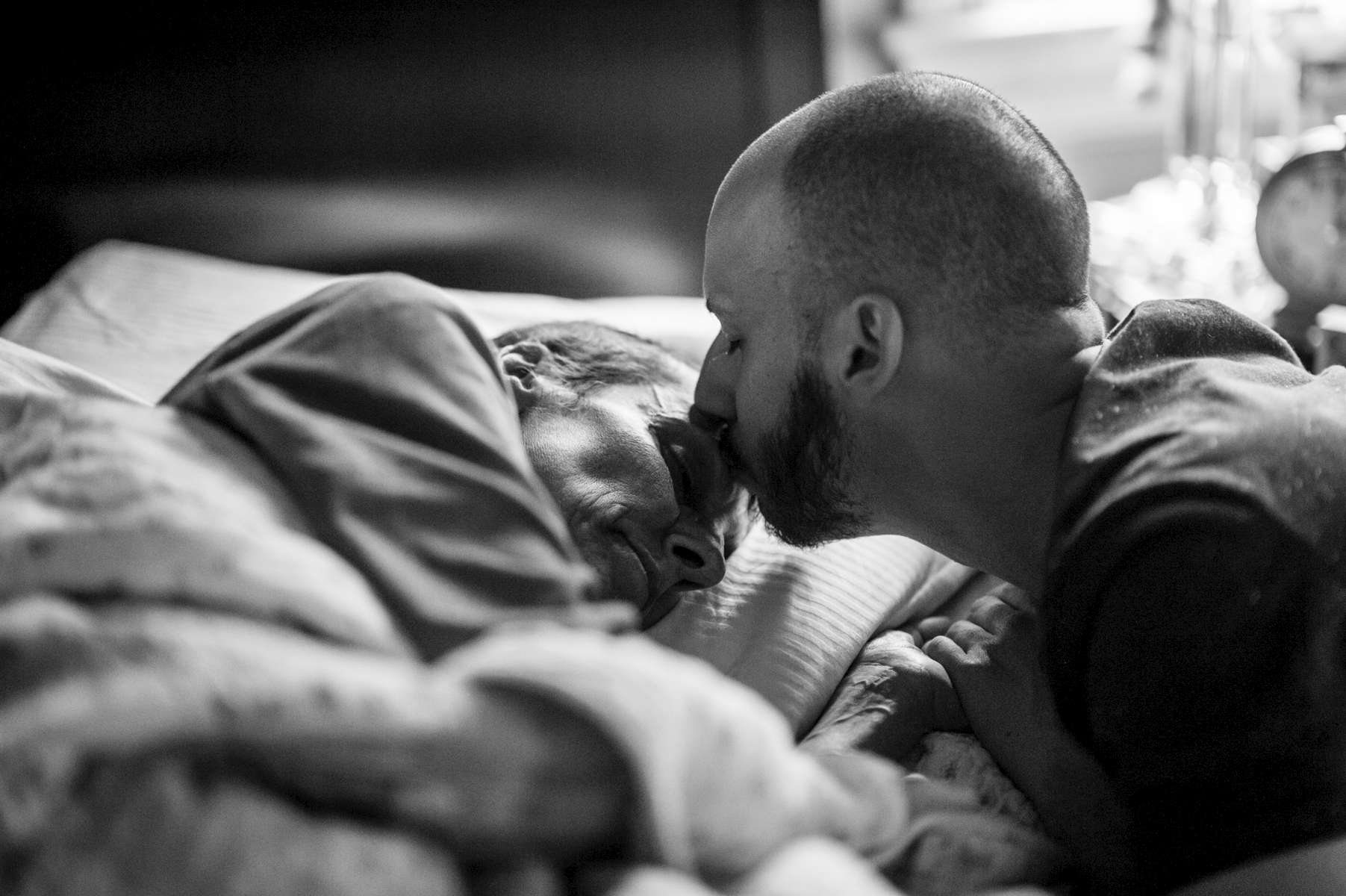
For Maria Alice Pereira Costa, my mother (08-06-1956 – 21-09-2024), in memoriam
.
A light always burns beside the Holy Family. I made a promise, one I keep without fail. That is where the light must stay—there, in that place where even the night becomes beautiful. It’s like in Caravaggio’s paintings: shadows nestle close to candles, to lanterns, to flaming eyes, to the deep colors of robes, and fall asleep. When you left, I swore there would always be light to soften the darkness at home, even if only a single match lit, a phrase whispered from the soul to the depths, even just a hello, mother.
Dates are terrible. I always say the same thing, but I haven’t found another way to put it. It was November first—dreadful, heavy, numbing. Christmas was a sharp blow: the Nativity scene and the tree were here—Catarina insisted—but the little village of Bethlehem felt farther than the edge of the universe from which the jubilant star once burst. Then there was Mother’s Day, and I couldn’t write a single line. And now, your birthday. The first one. And I’m lost in this house, tossed about by memories, adrift in sentences, in your laughter, in the subtleties of your voice, calling back those strands of mischief you would weave around the table at night while the soup simmered in iron pots by the hearth and we prayed the rosary, recited aloud by Rádio Renascença from the Chapel of the Apparitions. Your life was full and hard, mother. My soul is in tatters. And yes, dates are cruel.
You turn 69 today. And yet, how can I say this—you don’t. To have a birthday is to be here, and you are here, but you don’t have one. A son (and we are four) stumbles over words: not long ago you declared, prophesied, with that irritating certainty:
This is the last time you’ll sing me happy birthday.
And already that day—so near, so distant now—cracks open the walls of reason.
Don’t say that, mother.
And then your silence, your opaque eyes without light or phosphenes, your weariness swelling until it spilled from your nose with the start of a sigh.
God will know.
You were like someone who hears the train before everyone else does—rumbling, whistling, approaching in the hush of night, drawing near the light like Caravaggio’s shadows, pretending that everything being fine is a lovely thing.
Don’t say that, mother.
You were right. Everything happened suddenly, so quickly, everything so slow and yet dizzying, all of it soaked in awe and pain, everything inside me unraveling with every memory that tosses my soul into disarray: you holding me in your lap, you lying in the hospital bed, you bent over the looms, you raising a finger in suspicion, you caring for grandma, you kneading bread and putting it in the oven, you saying goodbye, intubated, covered in bruises, you radiant with joy, you in the coffin—cold as paper—when I kissed you one last time.
Next year, God knows!
Don’t say that, mother.
And I, all four of us, the five of us (for father belongs here too, of course), hallucinating, murmuring over lunch that today you would have turned 69, if you were alive. And I, we five, hating those verbs in the conditional, the subjunctive, as if you weren’t alive, as if you weren’t here, among us, listening with your mocking smile to “Happy Birthday to you, on this special day,” as if you’d fail us on a date so important, so unforgettable, so vividly awakened by morning’s small candle flickering beside the wooden box with the Virgin, Saint Joseph, and the Child.
Cancer intruded. I’ve always loathed my cowardice toward illness. I see you still, your lungs working in a terrible struggle, your fist pressed to your chest:
This son of a bitch won’t stop.
And us, eyes fogged over, noses dripping with sorrow, voices breaking in our throats:
Oh, mother of mine.
I swore—on the eve of your passing—that as long as I remain a person in this world, there would always be a light shining from the Holy Family, spreading through the cracks in the house, boldly pushing back the shadows, bringing in the friendly fire of a candle your steadiness, your sense, your resourcefulness, your sayings, your leadership, your way of telling stories with humor and no malice. I swore I would explain myself this way when the longing sometimes chokes me and punches me hard. The place for light is within metaphors. Light should say mother with the same solemn gentleness with which a flame says love.
Is it wrong to write too often about someone you love?
Herberto Helder once wrote in A Colher na Boca, 1961, what I believe is the purest justification for that love: “Mothers are the highest things / their children create, because they place themselves / in the combustion of their children, because / children stand like invading dandelions / in the fields of their mothers.” No verse could fit this chronicle more rightly or more luminously.
This won’t be the last time we sing you happy birthday, mother.
Don’t say that, children. Live your little lives.
And that’s why the light seems so delicate, so soft, so cathartic now that the night falls and the shadows—yes, I must say it again—arrive almost, as in Caravaggio, to be beautiful.
In the heart of Africa, in a Zambian village stirred by the glaucous waters of a tributary of Lake Tanganyika, lives a man of prodigious nature. He has been blind since birth, yet sees all things around him with striking clarity and depth. He is called “father,” “old one,” but also “bat” and “sorcerer.” People come to him for counsel, to bless their dealings, guide their marriages, or cure the fevers born of the bush.
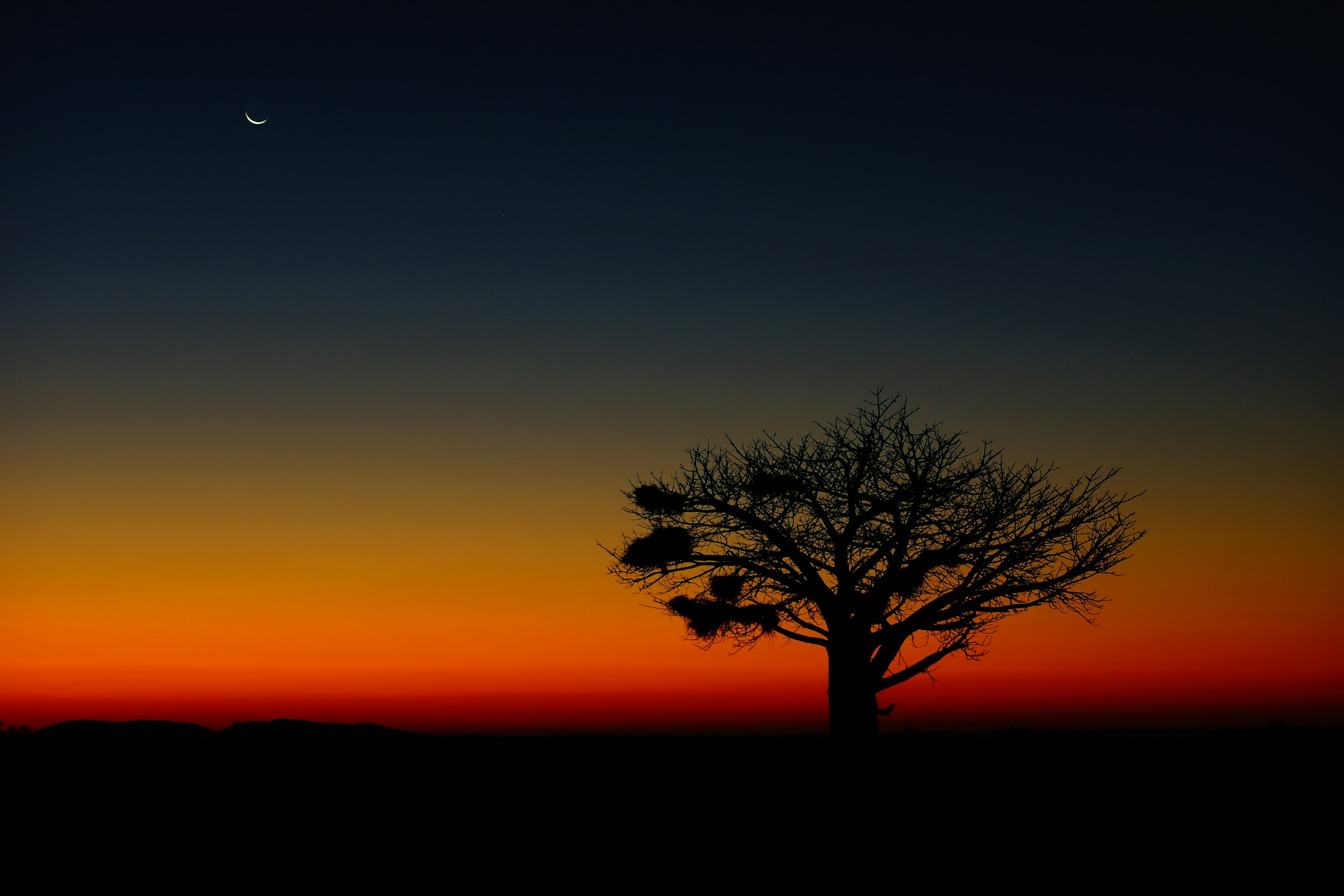
The man is ancient. He has dwelled in the same adobe-and-thatch hut for over seventy years. If a serpent slithers silently toward him, he crushes its head with a precise blow from the gnarled staff that serves him as both cane and scepter. All revere him. If he says, “Seek your vundu yonder, where the great baobab roots rise,” the fishermen will find it there. If he says, “Your chicken you shall find where the ant roads cross and the kudu leap,” the farmer will find it—sometimes pecking at tadpole larvae along the lake’s alluvial slopes, sometimes no more than a bare carcass, nearly dust.
A British missionary has recently arrived in the village, coming from Rwanda. His name is Paul Montague. He has quickly won the villagers’ easy affection. He brings teachings as alien to this soil as those others who once came sowing lessons before him. When he visited the hut of the old man so often spoken of, he was startled by the torrent of curses the blind elder hurled at him in the local tongue, a daughter of the Bantu speech. The villagers merely shrug. Those who speak some broken English explain that the man is prophesying ruin. In three days, they say, a deadly rain will descend from the heavens and famine will follow.
The missionary calms the gathered crowd, proudly displaying a magical object that emits both voices and images, assuring them that modern science predicts the weather with certainty. There will be no rain in the coming days. The Seer is mistaken. But the Seer spits in disgust, drives them out, and foretells calamities without end.
Three days later, a dense, roaring, buzzing, devouring cloud descends, smothering every house, every tree, every living creature clustered there. It is a horde of locusts. They fall upon the crops, the acacias, the savanna, the conical rooftops—and seem ready even to consume the villagers themselves, barely awakened from their nightmare.
Inside his hut, the old man sits in absolute silence. They did not heed his warning, and so he weeps. In over seventy years, he has never known such scorn. From his sightless eyes burst terrible visions. That cloud of locusts is nothing compared to what is coming. It is only the beginning.