Hands

Photo by Nsey Benajaj

.

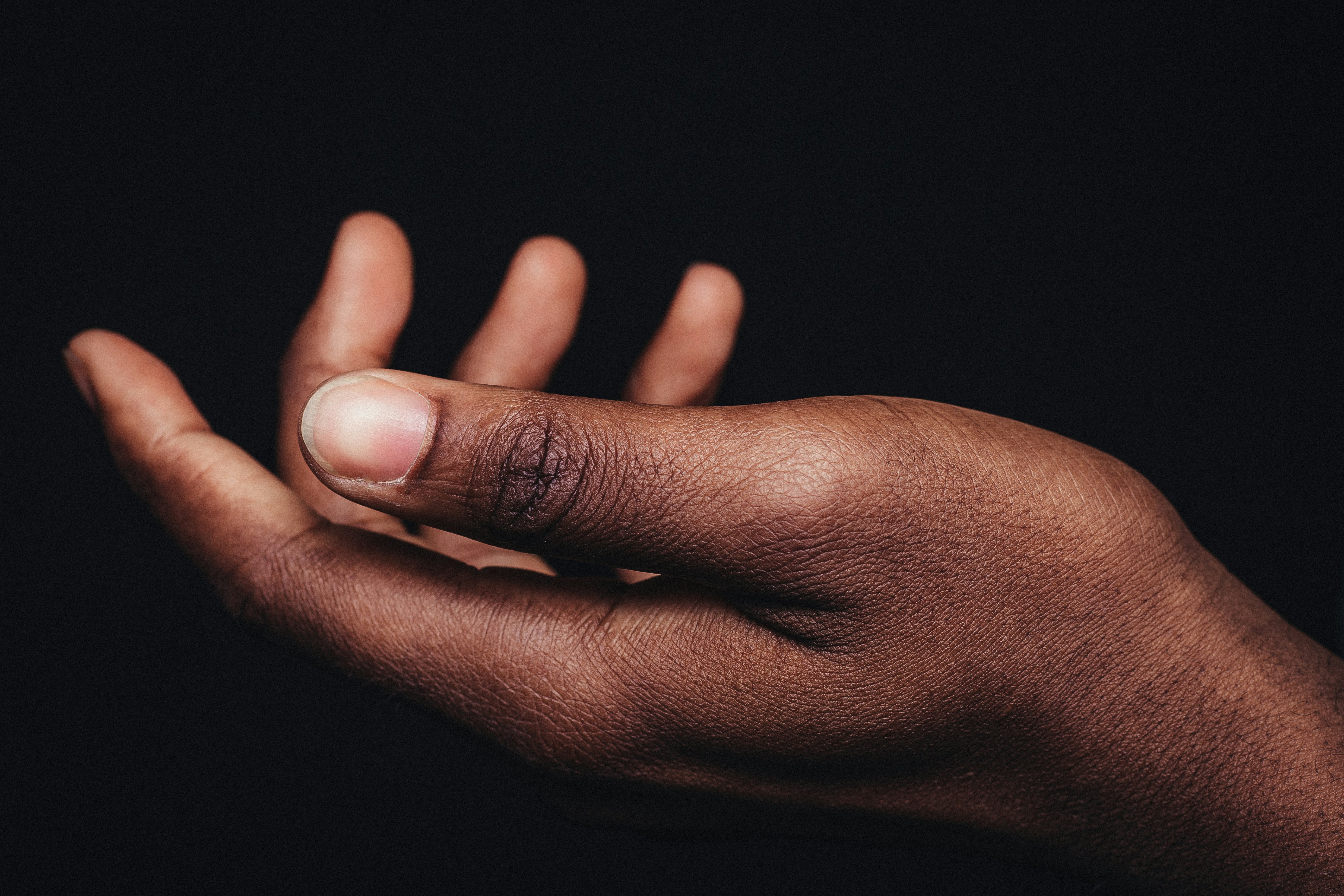
One of Herberto Helder’s most celebrated poems begins: “Amo devagar os amigos que são tristes com cinco dedos de cada lado” / “I love slowly the friends who are sad, with five fingers on each side” (“Aos Amigos,” Poemacto, 1961). Nothing gives itself to us—or gives us so deeply to others—as our hands do. The touch of hands trains our feelings, soothes the wretched, supports the powerless, opens places of refuge and hope to strangers and wanderers, draws in both the different and the familiar, seals pacts, builds bridges, and writes the essential words that the future will allow to take root.

On their skin, in the varied form of the fingers (as though the blessed difference of size and function made them inseparable creators of life), in the beauty of the nails, in the small blue threads of blood running to the tiniest venules and arterioles, in the lines where their phalanges bend and the full shell of their bones closes—there lies a science of fire.

By this science of fire I mean the gift we all possess (and so often refuse): the gift of loving, even in shadow, even in silence, on the humble scale of those who bring forth not injury but a poem, not hatred but friendship, not a hostile fist but an open and willing hand.

Herberto ends his poem with prophetic lines: “– Temos um talento doloroso e obscuro. / Construímos um lugar de silêncio. / De paixão.” / “– We have a painful and obscure talent. / We build a place of silence. / Of passion.” The world of men will only be saved when they understand what their hands are for—when they love the sad ones who keep them open, with five fingers on each side.

To dear friends

Photo by Cristina Gottardy

.

When Jesus saw her weeping, and the Jews who had come along with her also weeping, he was deeply moved in spirit and troubled.
John, 11:33

.

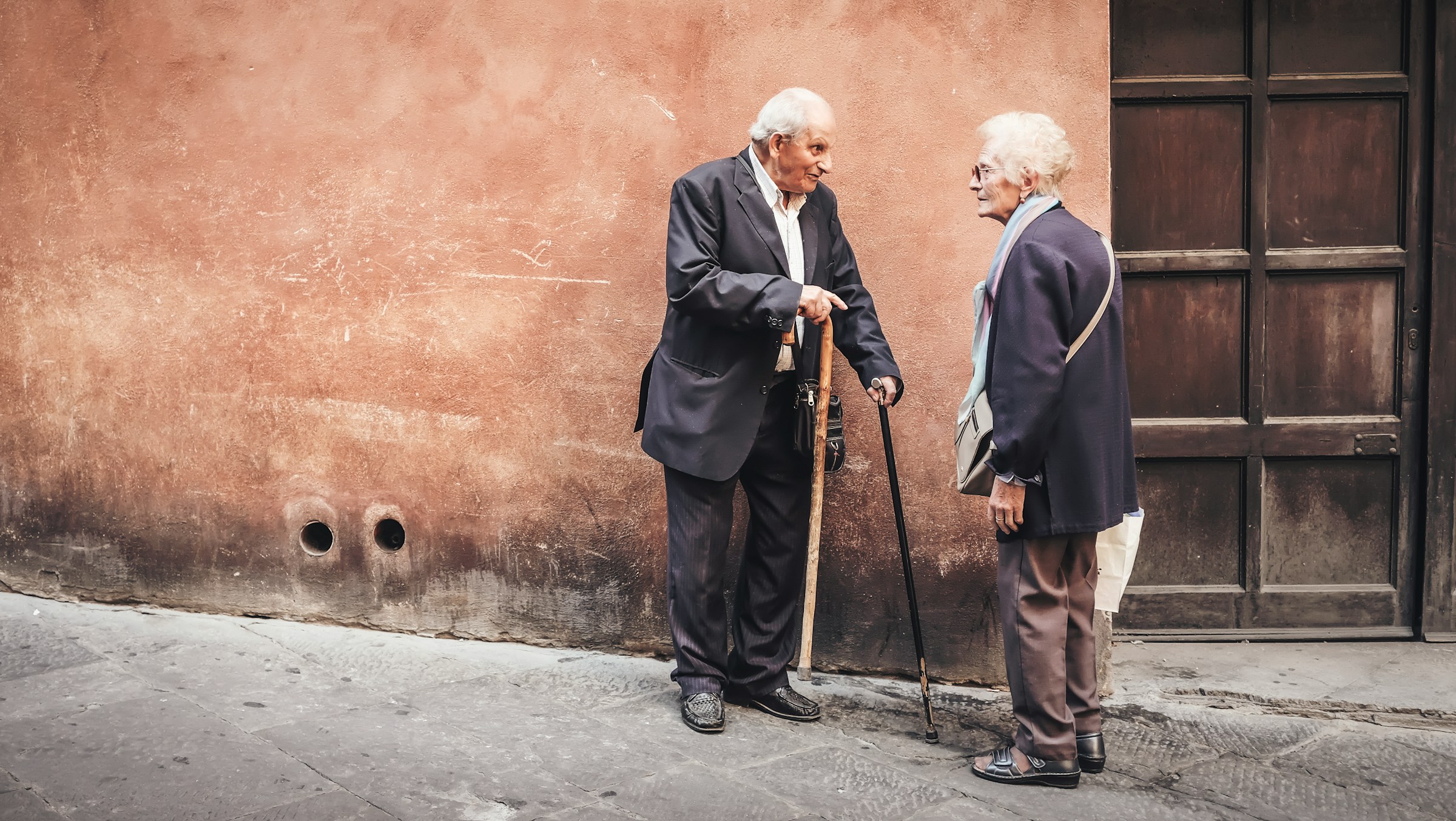
One of the tenderest landscapes from which we should never stray is that of one shoulder offered to another — and both, together, upholding the dignity of being human. A few days ago, while crossing a lattice of narrow streets with Céu on our way to the São João National Theatre, I caught sight, on a steep stretch of pavement, of an old man supporting another. It was both curious and deeply moving to see how the first, steadying himself with a cane, guided the second — whose small, bewildered eyes seemed on the verge of being swallowed by the noise and the frenzied rhythm of passing legs. Hand in hand, as we always are, Céu and I paused for a moment, watching the first gently draw the second forward, trading slow, whispered words, the two walking on like actors offstage, or like shy survivors adrift in a time and place that no longer seems to (re)cognise them.

There is little point in listing — or even hinting at — the many vile examples of selfishness, meanness or cruelty offered by society. The world is a cradle of serpents, and society the swamp where they slither round the simple and the meek.

Yet it is worth remembering José Mattoso, in a magnificent passage from Levantar o Céu – Os Labirintos da Sabedoria: “We are, without doubt, living through a dramatic moment in human history. But as long as there is life on this planet, and the sun returns in the east each morning, as long as men and women love one another, and children are born and play, there remains a trace of hope.” Watching — with the woman I love beside me — those two elders nurturing each other in that sliver of encouragement and light, I could not help but feel a deep stirring, and recall the strength of that line by Herberto Helder: “I slowly love the friends who are sad, with five fingers on each side.” So long as there is a friend who cares for us, we are not lost in darkness. Nor has the meaning of life vanished. Friendship is, by far, the finest tonic for these cursed times — and, perhaps, the only path toward their resurrection.