Rembrandt’s sadness

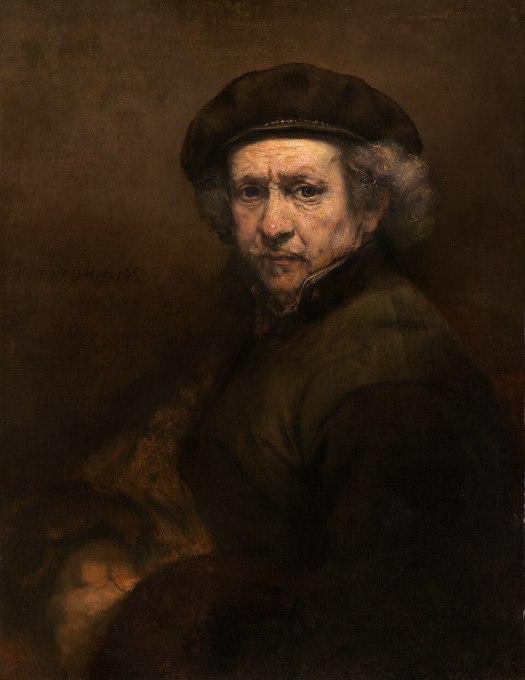
“Rembrandt’s Sadness” explores sadness not as a fleeting emotion but as a slow, accumulative force, compared to water as it grows from a playful source into an unstoppable river. Through this metaphor, the poem reflects on the self-portraits of Rembrandt van Rijn, reading in them a life progressively marked by loss, debt, ageing and inward scrutiny.
Rembrand, Self-Portrait with Beret and Turned-Up Collar, 1659

.

REMBRANDT’S SADNESS

the question was always this:
can someone’s sadness, at any time, in any place,
ever find a way to be satisfied?

we have our doubts about the matter

sadness shares with water the sin of avarice.
first it skips about, then it digs itself in,
and a little further on it hollows out sombre lights
through the hills,
one day it cuts across our path

“you shall not pass,” it writes under its breath,
“you shall not pass”

let us consider the case of Rembrandt Harmenszoon van Rijn

his pain seems limitless, growing from portrait
to portrait, like a river that knows itself unstoppable
in its predatory course

looking into his eyes as they look into the mirror,
we see Saskia and the promissory notes, old age imprinted
in the swellings and the cracks of the skin

what is the size or the depth of his grief?

we have an idea about the matter,
water is a good term of comparison

one day it makes us sink into a delirium of silver‑gelatin paper.
but not even there, not even then, does it show itself fully sated.
sadness will not abide the earth’s crust,
its kingdom lies in the deepest hells,
or even beyond them.

.

João Ricardo Lopes is a contemporary Portuguese poet and writer.

More about:
https://joaoricardolopes.com/about/

February

Photo by Sven Fennema

.

FEBRUARY


you will often return to yourself
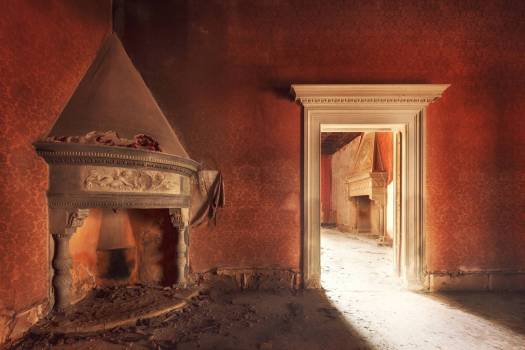
as one enters places where hearths once burned
and where the smell of smoke lingers
melancholic
and invisible

an autumnal or wintry mustiness
grips your startled hands
and wants to sink them into the earth

so take the necessary precautions

when the tangle of days on your shoulder blade
feels like cement or hatred in its pure state,
leave the house, breathe the grasses, bite their stems
hard

don’t ask why, bite them,
and that’s that

.

João Ricardo Lopes is a contemporary Portuguese poet and writer.

More about:
https://joaoricardolopes.com/about/

Vermeer

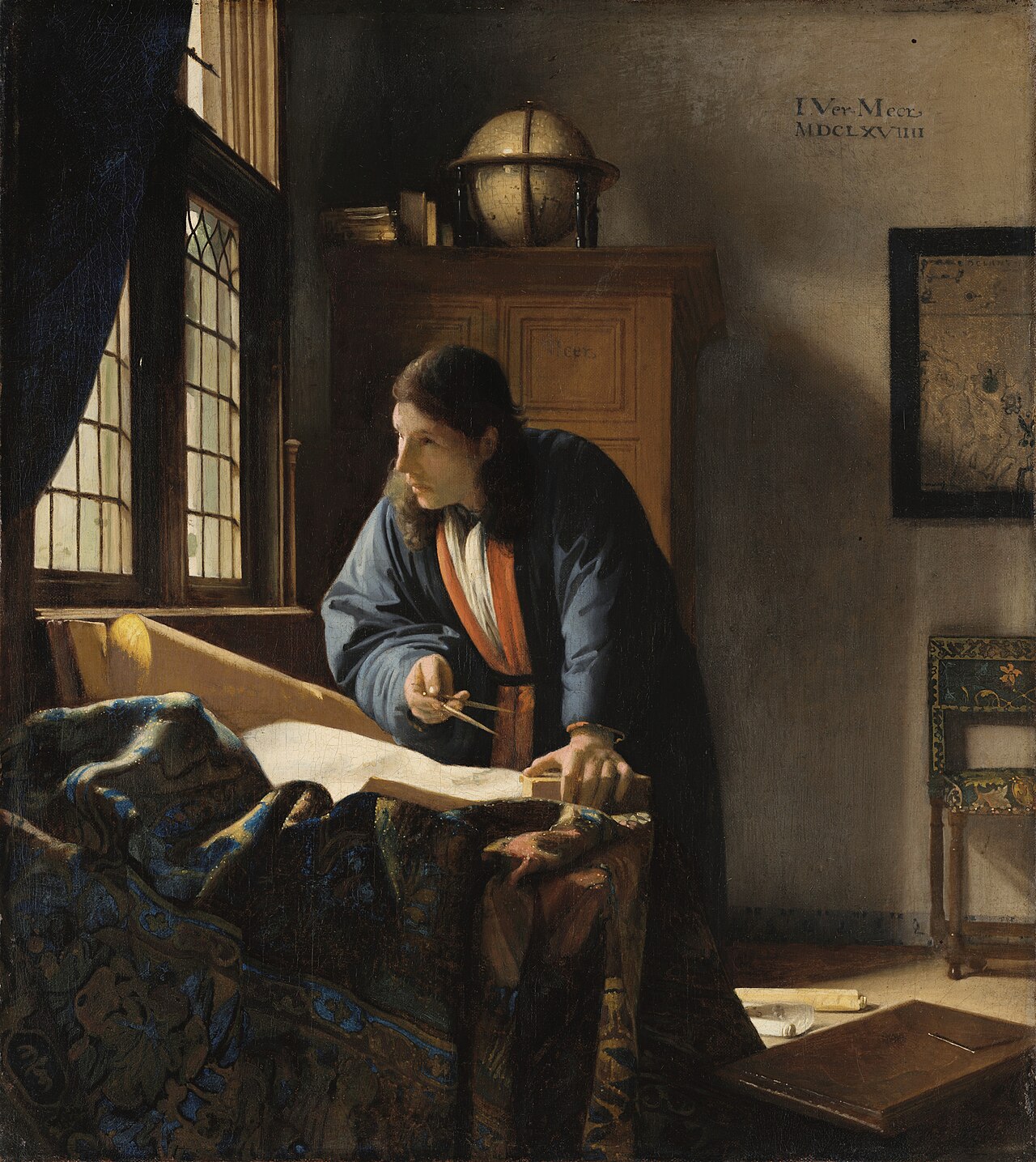
Johannes Vermeer, The Geographer, circa 1668–1669

.

VERMEER

in these days of vertigo, when the world seems to go mad with every gunshot, and even open books are grasping mouths waiting for impure truths to be spoken through them, I return to Vermeer’s silent paintings: to the milkmaid pouring the white unhurriedly, imbued with grace; to the geographer who, through the panes of glass, discerns the inexact place of thought; to the girl reading the mysterious letter, in which she may be shown a certain love, not delicate like a poem, but in the hardness of verbs that do not hide in grammar and instead strip themselves bare in living gestures, difficult and unfeigned

.

João Ricardo Lopes is a contemporary Portuguese poet and writer.

More about:
https://joaoricardolopes.com/about/