Ritual

Cleaning the hands
Photo by Melissa Jeanty

.

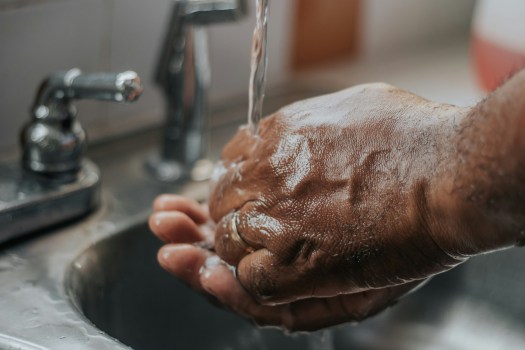
He had acquired the habit of meticulously washing his hands and trimming his nails before delivering a speech. He ran his palms and the backs of his fingers under the water, lathered them with Clarim, then held them again beneath the stream flowing from the tap, almost scalding hot. It was a ritual.

Then, before leaving his office, he read the text one last time and corrected it with a cheap pencil, crossing out more words than he put back onto the page. He disliked coming up against formulas, clichés, sentences that sounded like a great deal and yet said nothing.

Finally, he looked at himself in the mirror.

He did so in silence, trying to glimpse in the face before him the slightest traces of childhood. He searched there for the boy in clogs, with a torn sweater and an ugly little moustache, whose courage in the hard work of those earlier days he seemed to value more than the prestige he had gained over the years. That boy was his inspiration.

He remained in near-total silence for a long time, an immeasurable stretch, an hour, a minute, an eternity, until an aide knocked at the door.

They were waiting for him.

This was the moment. Millions of viewers had their televisions tuned to the channel through which his words would echo, measured, carefully chosen, perhaps a little rough, competent, in a steep dive toward the very core of the problems.

.

Hands

Photo by Nsey Benajaj

.

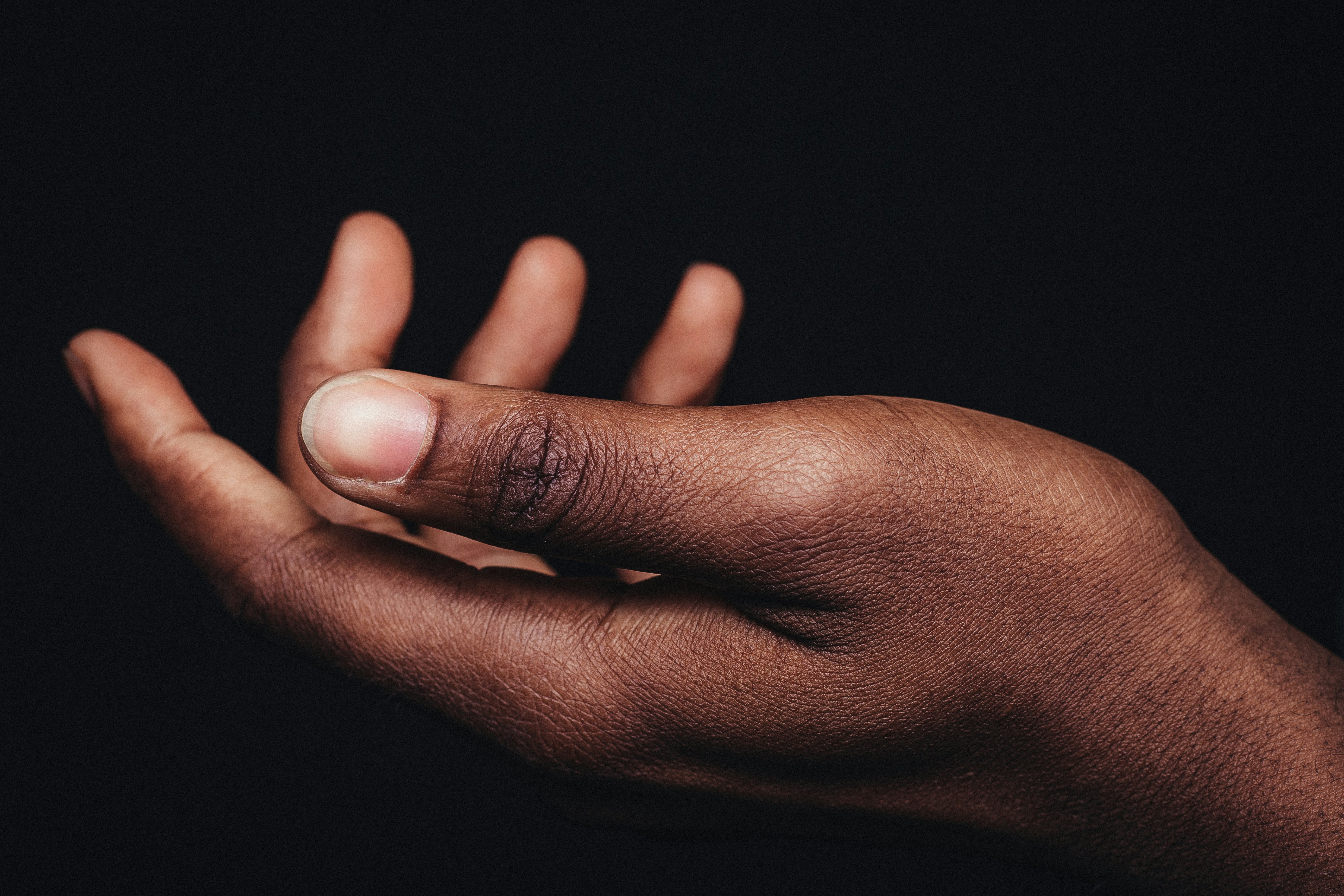
One of Herberto Helder’s most celebrated poems begins: “Amo devagar os amigos que são tristes com cinco dedos de cada lado” / “I love slowly the friends who are sad, with five fingers on each side” (“Aos Amigos,” Poemacto, 1961). Nothing gives itself to us—or gives us so deeply to others—as our hands do. The touch of hands trains our feelings, soothes the wretched, supports the powerless, opens places of refuge and hope to strangers and wanderers, draws in both the different and the familiar, seals pacts, builds bridges, and writes the essential words that the future will allow to take root.

On their skin, in the varied form of the fingers (as though the blessed difference of size and function made them inseparable creators of life), in the beauty of the nails, in the small blue threads of blood running to the tiniest venules and arterioles, in the lines where their phalanges bend and the full shell of their bones closes—there lies a science of fire.

By this science of fire I mean the gift we all possess (and so often refuse): the gift of loving, even in shadow, even in silence, on the humble scale of those who bring forth not injury but a poem, not hatred but friendship, not a hostile fist but an open and willing hand.

Herberto ends his poem with prophetic lines: “– Temos um talento doloroso e obscuro. / Construímos um lugar de silêncio. / De paixão.” / “– We have a painful and obscure talent. / We build a place of silence. / Of passion.” The world of men will only be saved when they understand what their hands are for—when they love the sad ones who keep them open, with five fingers on each side.