
SEEING IN THE DARK | ONSTAGE REFLECTIONS — by Daniel Gonçalves
If poetry does not change the world, it is innocent. For it was possible to rise whole cities with the poetry that grows every night in the shifting garrets of the poets. For it was possible to feed all the people and all the cats and all the willows and all the deserts, with slices of sweet words and orchestrated blows of silence.
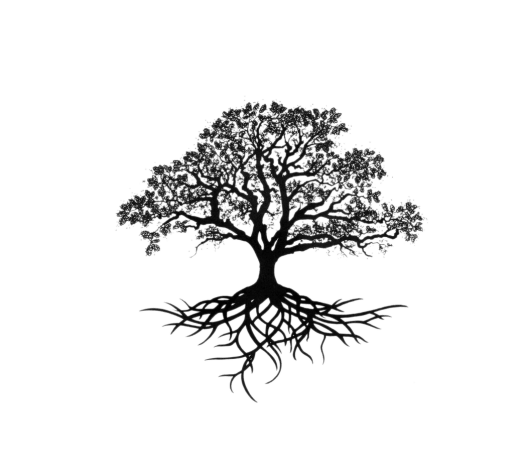
If poetry does not change the world, the poet is at least a tree. A tree that grows in the exemplary epicentre of a garden. The children climb it as if descending into their mother’s lap. The birds use it to name the streets they cross from the top. And the dogs mark their territory as if tying ropes around its small world.
It is a tree that grows in the middle of a garden, those that gradually took, revolution to revolution, passion to passion, the illuminated posters of the most evident promises and no one lets it be torn down.
I would say that poetry is a tree that grows in the middle of the garden and that it has flowers that slide down and those same flowers are magical. Allowing you to see in the dark. And because they allow you to see in the dark, maybe, maybe, maybe, they may change something.
The poetry of João Ricardo is like that: from it flowers come to quench our thirst and then we dream. We see in the dark with all the contours that hurt us like the edges of furniture sticking out in the middle of our sleepwalking and, because we are allowed to see them, we are protected. We shift our crystal steps and our porcelain tongues. We rest whole to survive another day. And so eternity might be possible, little by little, through the darkness, recognizing everything that can hurt us.
Hence the poetry of João Ricardo Lopes is balsamic. I take it with the care of someone who has tea, not because thirsty, but because they believe in the cleansing of the body, healing, one by one, the wounds that a misheard music might leave in the chaos of the void. A tea harvested from a magnificent tree in the middle of a garden, seeing the world created as something foreign to God.
God wanted us to invent it and He gave us the word. And the word came and listened to the profound essence of things. It said: you shall be the first child and as soon as you get tired of playing, become tree. Put yourself in the middle of a garden and remember who reads you lights hands and mouths and eyes in hope. João Ricardo Lopes explains well how this phenomenon works: onstage of (his) scene, in the limbo that divides the watery existence of things, to be or not to be, to love or not to love, to exist or desist.
The poems in this book (Reflexões à Boca de Cena / Onstage Reflections) have a life that will light until the ends of the universe the last drop of primordial silence. A life that is a cloak dressed to become the other person that would have changed the world. The other person that would have been happy. The other person that would have understood their fate. The other person that is easy to correct and transport and love and punish. The other inexistent person of us. The perfect shadow.
If only life was that simple to clean. If only life was as precious as a verse. If only there were words left when the curtain falls and with them we return home. Happy or merry. Inebriated or sleepwalking. No time for commiseration. Only the time to listen to a book and with it hold on to the frail branches of trees. A tree. Orange, Elm, Jacaranda, Olive. Be it as it may. As long as form it descends the light that awakens the light of our days. The light that lets us see in the dark. Not to suffer or hurt all this evidence transcribed on the flesh, the going and going and keeping to go without understanding, why poetry does not change the world, yet.
Venice, 16th November 2010
Daniel Gonçalves
.