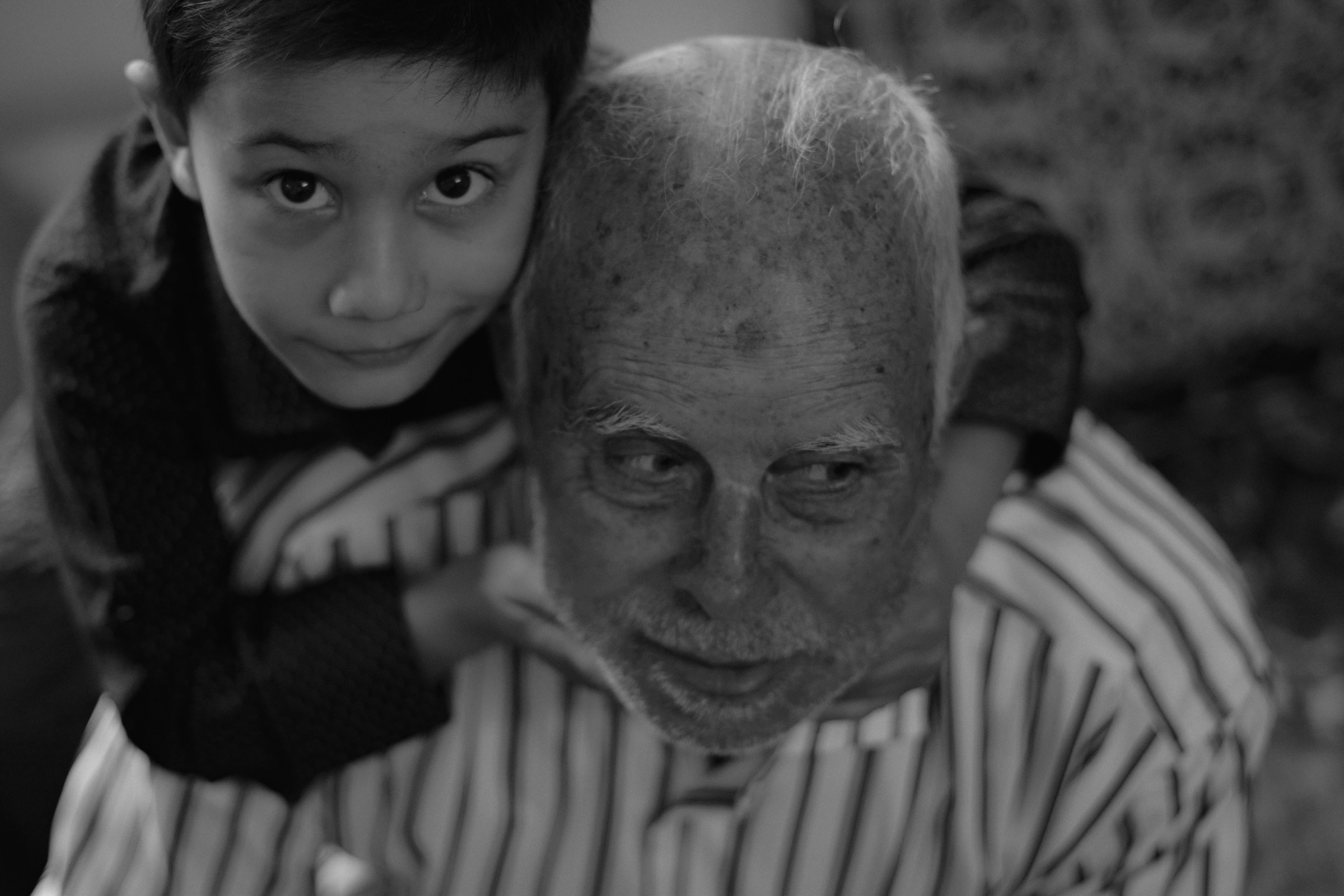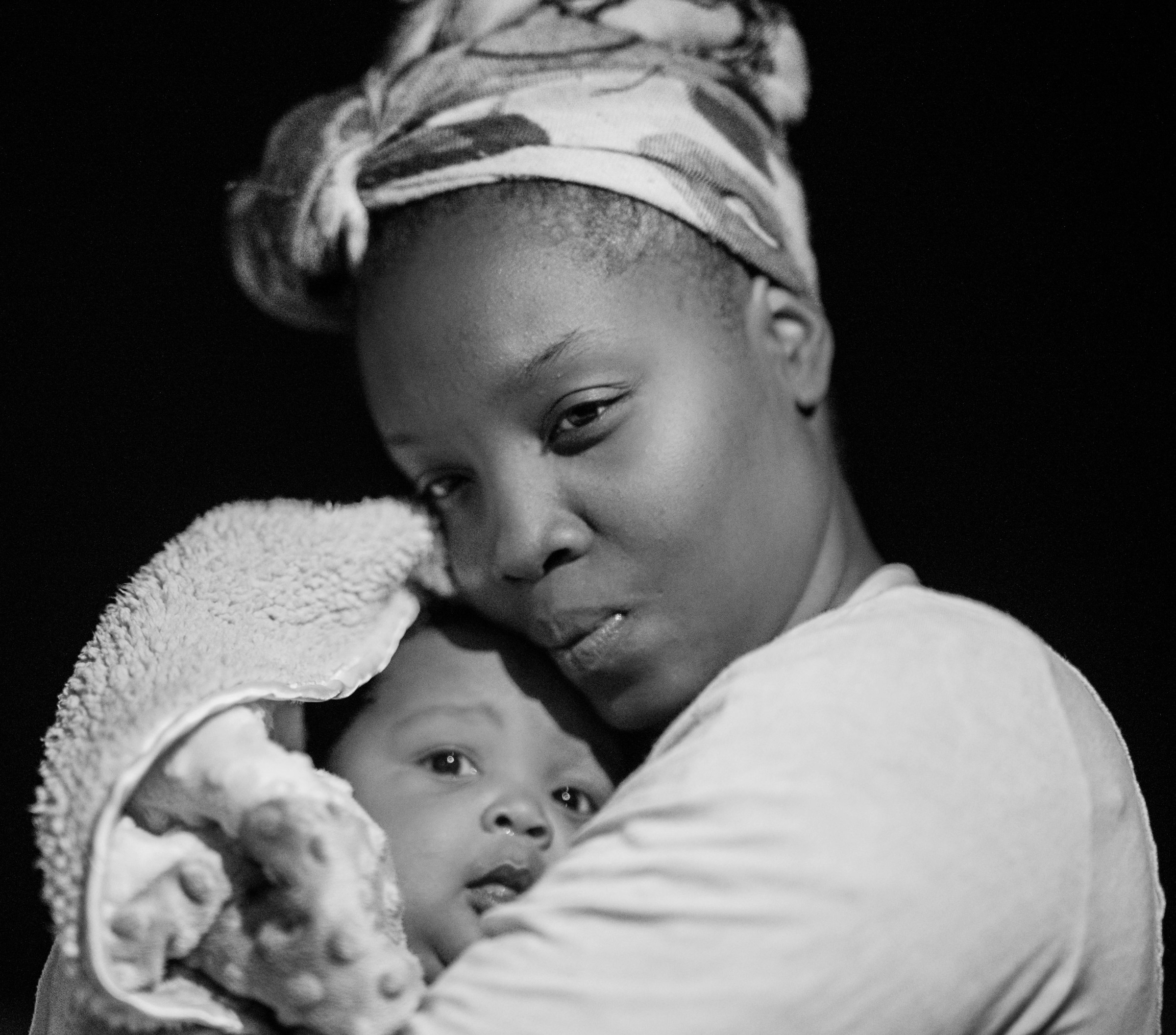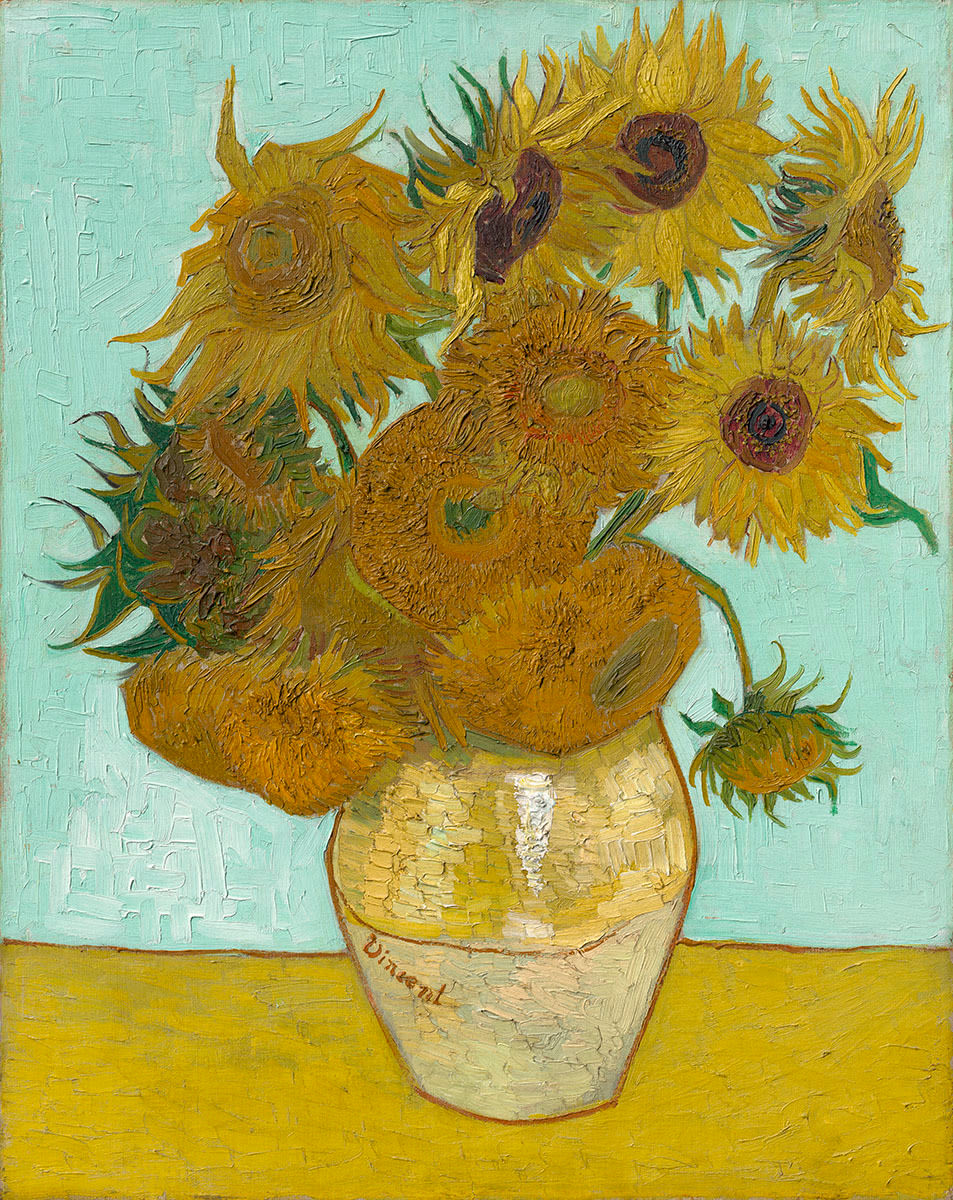

Sophia de Mello Breyner Andresen photographed by Eduardo Gageiro
.
In one of the poems of No Tempo Dividido, Sophia de Mello Breyner Andresen writes, in the manner of an inscription: “Que no largo mar azul se perca o vento / E nossa seja a nossa própria imagem” — “That in the wide blue sea the wind be lost / And ours be our own image.”
The pelagic world was for the poet, as is commonly known, a demiurgic, almost religious space, from which emerged her creative force, her fascination with ancient time (which was equally her fascination with the inscrutable future), but also her most personal delight in the peoples who, having sailed those seas of a remote past (the Greeks, in particular), bequeathed to us their art, their beauty, their nude, and within them (as in Heidegger’s ontology) our destiny.
Sophia’s poems are, without exception, exercises in incomparable lapidary art. We read them today under the relative oblivion to which every work is consigned after the death of its author. Yet for this very reason we rediscover them as more vehement, more marvellously sculpted, more true. We read them as an extension of ourselves, as though seated on a garden bench among the twisted trunks of giant trees (like these metrosideros in Foz do Douro), the wide blue sea before us seemed more real, and our own spirit wandered amid those waves and the scent of the sea breeze, while between the seated body and the wandering spirit there existed something unnameable. Something like our own image, doubly beheld in the mirror.
On the night of June 23rd that year, the only lamp still lit in the university residence was mine. From the third floor, I could take in the sky ablaze above the city and the festivities. In Porto, it’s mandatory to enjoy oneself on the eve of St. John’s Day. Patios, stairways, alleys, passageways, squares, and avenues fill with noise, colored paper streamers, and the glint of sardine scales. It is compulsory to go out, to mingle, to raise a racket, to drink with abandon, to brandish leeks and press them against the insincerely naïve noses of young women. Tradition has it that this is the solstice night. Even if it’s not the shortest night of the year, it is certainly the longest. Every reveler knows that.
As for me, I stubbornly shut myself in to study Linguistics. From outside, the world burst in—loud, full of life—like a stab to the heart. Through the windowpane I could see the rooftops and church towers where the trailing fire of paper lanterns climbed skyward, the scattered light from crowded balconies, from grills and barbecues burning bright, and the lagging groups running about with their plastic hammers. I could swear the dozens of students’ rooms were empty. Since mid-afternoon, I hadn’t seen a soul in the hallways, nor heard a single voice inside the building.
Martinet’s notes struck me as monstrously tedious. I underlined them with a fluorescent marker and recited the glosses aloud from my notebook. I was alone.
It was in that solitude that I noticed the sky sinking into ever darker shades of green-black, eerily like chromium oxide, suffocating the horizon. The first lightning bolt and thunderclap I mistook for part of the celebration. But then came more. The storm wasted no time shaking the windows and unleashing the most vengeful rain I had ever witnessed.
In an instant, cries of confusion multiplied—hysterical, terrified. Sheets of rain hammered mercilessly against the long tables on the terraces. The grills were dragged under awnings however best they could. Old and young alike huddled together in kiosks and under doorways. The scene of the commotion struck me as so amusing, so full of warmth, that I opened a drawer and took out my Leica.
Despite the fogged glass and saturated air, the landscape had changed. It seemed beautiful now—human, sheltering, inviting.
Far away, the floodlights of the churches lit the storm. Closer, the streetlights revealed the damage. I went down to see it better. As soon as I opened the door, I came face to face with one of those poor souls so common in our cities.
— Didn’t mean to scare you, son. Forgive me!
— You didn’t. Don’t worry!
I hesitated for a moment, unsure whether to step out or invite him in. There was a mix of smoke and vapor rising from the asphalt. My camera was ready.
— This rain. Who could have guessed!
The man said nothing. He only shrugged. In one hand he held an apple, in the other a nylon sack. That downpour, it seemed, was nothing unusual to him.
— You’ll be soaked through… Come in, take shelter!
Without a word, the man obeyed.
I looked at the street: a box of peppers on the ground, abandoned beers, cats under cars, smoke. St. John, it seemed, had proven himself indecent. I couldn’t bring myself to fire the flash. Then the man said:
— In any case, what you’re feeling now is déjà vu.
And it was true: the whole scene felt familiar, as if some link in my memory had sparked the impression I had lived that moment before. The man—though I’d never seen him—was, I could swear, oddly familiar.
— You’re not going to take a single shot with that camera. The objects don’t interest you. Only the subject in front of you is worth noting. Isn’t that right?
His tone, nearly arrogant, sounded like a reproach. He went on:
— Right now, you’re thinking about how to get out of this mess. The street no longer seems the strangest place in the world—this little space here does, doesn’t it? You’re thinking how that box of peppers, those abandoned beers, those screams, those cats hiding under the cars, that smoke—none of it compares to the chaos reigning in your head.
— And how can you possibly know all this?
— Martinet’s Elements of General Linguistics upstairs is proof enough that we’ve both sunk into the same wretched solitude.
— Who are you?
— You always choose the side door, never the corridor straight ahead… You’re still thinking in mazes. And yet, since the moment we saw each other just now, you’ve known—we are the same person!
— We’re the same person?
— The same character, yes!
— The same character?
— Don’t look so surprised. Borges—whom you’ve yet to meet—does the same in the first story of The Book of Sand. Dickens—whom you’ve already forgotten—does it with Ebenezer Scrooge. Dante—whom you’re about to discover—dreams of his own soul transmigrating through the circles of Hell, Purgatory, and Paradise.
— And you’ve come to show me the future, is that it? To prove something? That I—we—are wretched? That I need to change so we can both be redeemed?
— I haven’t come to prove anything at all…
My other self bit into the apple, slung his bundle over his shoulder, and stepped back out into the night, unafraid of the deluge, swallowed by the dirty reflection of a thousand shattered lights.
With the Leica off in my hands, I watched him go, unable to add a single word.
Truth be told, there was nothing left to say.
.
From the book O Moscardo e Outras Histórias (The Horsefly and Other Stories, 2018, pp. 255–259)
They brought him ivory, and he carved it with the most refined patience of which the human kind is capable. The objects that came from his hands were among those most ravenously coveted by foreigners in Brazzaville, in Djambala, in Sibiti, in Mandigou, and throughout the Congo. They called him “The Blessed One,” though his real name was Isidor Nkobanjira. As he grew old, he boasted of having no fewer than seventy children.
Near the end, he began to cut and pierce and carve deep grooves into an elephant tusk. First, he etched the winding course of a river, then the rise of a mountain, then a flurry of perfectly hemispheric stars. With care, he added water and fish, earth and impalas, sky and vultures. He filled the ivory with every creature he could remember, omitting neither silence, nor death, nor fear.
“The whole universe fits here,” Nkobanjira thought.
But in truth — he noticed with a look of dissatisfaction — after all was done, a bit of space still remained.
In the heart of Africa, in a Zambian village stirred by the glaucous waters of a tributary of Lake Tanganyika, lives a man of prodigious nature. He has been blind since birth, yet sees all things around him with striking clarity and depth. He is called “father,” “old one,” but also “bat” and “sorcerer.” People come to him for counsel, to bless their dealings, guide their marriages, or cure the fevers born of the bush.
The man is ancient. He has dwelled in the same adobe-and-thatch hut for over seventy years. If a serpent slithers silently toward him, he crushes its head with a precise blow from the gnarled staff that serves him as both cane and scepter. All revere him. If he says, “Seek your vundu yonder, where the great baobab roots rise,” the fishermen will find it there. If he says, “Your chicken you shall find where the ant roads cross and the kudu leap,” the farmer will find it—sometimes pecking at tadpole larvae along the lake’s alluvial slopes, sometimes no more than a bare carcass, nearly dust.
A British missionary has recently arrived in the village, coming from Rwanda. His name is Paul Montague. He has quickly won the villagers’ easy affection. He brings teachings as alien to this soil as those others who once came sowing lessons before him. When he visited the hut of the old man so often spoken of, he was startled by the torrent of curses the blind elder hurled at him in the local tongue, a daughter of the Bantu speech. The villagers merely shrug. Those who speak some broken English explain that the man is prophesying ruin. In three days, they say, a deadly rain will descend from the heavens and famine will follow.
The missionary calms the gathered crowd, proudly displaying a magical object that emits both voices and images, assuring them that modern science predicts the weather with certainty. There will be no rain in the coming days. The Seer is mistaken. But the Seer spits in disgust, drives them out, and foretells calamities without end.
Three days later, a dense, roaring, buzzing, devouring cloud descends, smothering every house, every tree, every living creature clustered there. It is a horde of locusts. They fall upon the crops, the acacias, the savanna, the conical rooftops—and seem ready even to consume the villagers themselves, barely awakened from their nightmare.
Inside his hut, the old man sits in absolute silence. They did not heed his warning, and so he weeps. In over seventy years, he has never known such scorn. From his sightless eyes burst terrible visions. That cloud of locusts is nothing compared to what is coming. It is only the beginning.
At the top of the hill lies the center of the world. From there, you can see everything: the village nestled on the slopes, the medieval church, the river below with its little Roman bridge, the hay carts and the flocks passing slowly, just like the hay carts and flocks from a thousand years ago.
There, sheltered beneath the branches of an old ash tree thick with saplings and roots, we hear the following dialogue:
– My life was cowardly, weak, miserably lived…
– Why do you say such things?
– Because I’ve always been a coward, a weak man, a miserable one…
– Don’t say such ugly things…
– But you, my child, you can have a different fate!
– What do you mean, Grandpa?
– You can look into my eyes and see what you don’t want for yourself, glimpse yourself now in a future time…
– But Grandpa, how can you believe what you just said? You’ve always been kind to everyone.
– I killed all my dreams, turned away from every woman for fear they would turn away from me, ignored the warnings, dismissed good advice, believed myself old at every stage of my life…
In the end, I wasn’t even able to put an end to the terrible remorse that eats me alive!
– What do you mean by that?
– You know… Ending everything…
– Grandpa!
– But you are different, my child! I’m telling you, a different fate awaits you. I’m telling you to go! Go while the shadow of your own feet is not yet heavy enough to drag you down, nor strong enough to turn your head back… Go, and never look behind you!
The clouds drift up above. The hill is gentle, like the curve of a fruit. All who love a good story know how vain words can be—and how fond they are of a fine pastoral setting.
“Never look behind you!”
Indeed, when walking forward, one must never turn back. It is a universal truth.
The online edition of Der Spiegel recently reported the discovery, in an antique shop in the small town of Vauffelin, of a notebook (modest in size, A6 format) containing previously unpublished writings by Robert Walser, known to us through the edition of Ash, Needle, Pencil, and Match, a delightful anthology of short prose pieces, which the author composed during his (somewhat enigmatic and extremely discreet) passage through this world.
The following text is part of the manuscript now surrendered to the eager hands that will dissect it. For better or worse, the translation is ours. We share it, moved.
•
If you are keeping vigil over someone ill and he sleeps, if the crackling of firewood makes the silence of the house all the more vivid, if the afternoon — like all cold and shadowed January afternoons — lends itself to meditation, and perhaps even to introspection, then perhaps you might grant yourself a few moments in which it still seems worthwhile to put to use a stubby pencil and a scrap of paper.
There is nothing quite like the poignant peace of one who waits. Most of the time, the clock finds a way to burrow into us and leave us restless and aching, perhaps even hollow. But that is not the case now: the flicker of the fire and the faint, drowsy light cast on the walls quiet our gestures.
The presence of someone sick, in need of our care, inspires a kind of concern akin to that which one feels for the stub of a candle: at any moment the wick might expire, and the tiny flame bid farewell in a thin, pale thread of final smoke. But while it burns, that tiny remnant of wax is marvellous, touching — a reason to revere the present.
Much the same could be said of a taut rope, across which our shirts hang, and whose frayed strands already foretell that painful peak at which the two ends will part forever, never to meet again. The breaking of matter is a puncture. But a sisal rope dies when it must die. The feeling of duty fulfilled requires no explanation, nor should it be prolonged.
I end here, grateful, reader, for your time. Time is precious — I might even say, deeply beautiful. A text, when read through someone else’s eyes, is nearly a miracle. You cannot imagine how much so, dear friend. Nor how profoundly.
The girl quickened her pace. The rain would not be long. It was a strange afternoon, a street that stretched endlessly, a people with chill upon their faces. Now and then, whenever a flicker of doubt brushed past her—a loud voice, a hint of menace—she would place her hand gently on her belly: blessed was the fruit that grew there, slowly, unhurriedly, in quiet wonder.
She wore her coat collar turned up, the bag slung across her shoulder, her heart beating wildly. All she wanted was to reach home, slip off her shoes, retreat to her corner, feel the hush and shelter of the walls, the presence of familiar things. There was something umbilical in it all: a promise of comfort, a sense of permanence and peace, a resistance against everything and everyone. It was within herself that she liked to dwell—to imagine the future, to dream it softly, to cradle the child not yet born.
At night, when no one could hear, she would speak to the cat, to the sofa, to the lit lamps—she would speak as one who yearns to be heard: “This child of mine will prevail,” “This little one shall know neither hunger nor want of love,” “No harm shall come to this child—because I will not allow it.”
She trembled when she murmured those words. And she was all courage, all resolve, the very incarnation of a strength she did not know she possessed. And the rain did not fall. And no one came between her and time. And no danger even approached the child she held so close. And she was so slight. And the child, so very small.